Ukraine has completed a restructuring of its growth linked debt warrants, removing a major contingent liability from its public finances and improving long term fiscal visibility as the country continues to operate under wartime conditions. The agreement, backed by overwhelming creditor support, eliminates obligations that could have escalated sharply if economic recovery accelerated in coming years. By settling the warrants now, policymakers have reduced uncertainty surrounding future budget planning and debt servicing, particularly at a time when public resources remain under strain. The move represents a strategic effort to stabilize sovereign finances while preserving flexibility for reconstruction and defense spending. For markets, the transaction signals a willingness to address complex legacy instruments that had the potential to distort debt dynamics during any post war recovery phase.
The restructured instruments had been designed to link repayments to future economic growth, creating exposure that expanded precisely when fiscal capacity would still be constrained. Officials have framed the deal as a decisive step toward restoring predictability, arguing that the removal of these claims strengthens debt sustainability over the long term. The transaction also marks further progress in normalizing relations with private creditors following the disruption caused by Russia’s invasion in 2022. As Ukraine works to rebuild credibility in international capital markets, resolving growth linked liabilities reduces the risk of future disputes and enhances transparency around the sovereign balance sheet. These improvements are particularly important as external financing remains a central pillar of economic stability.
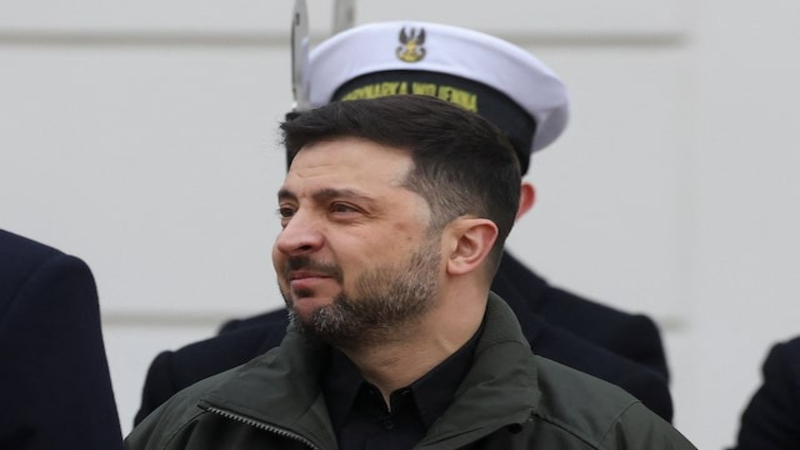
The deal follows recent positive signals from credit rating agencies, reflecting improved engagement with creditors and clearer debt management strategy. Market pricing of the affected instruments suggested confidence that the restructuring would proceed smoothly, reinforcing the perception that Ukraine is gradually emerging from default conditions triggered by the war. While the broader economic outlook remains highly uncertain, the ability to complete complex financial negotiations under such circumstances underscores institutional resilience. Leadership under President Volodymyr Zelensky has emphasized fiscal discipline alongside international support, seeking to balance immediate survival needs with longer term sustainability goals. The warrant settlement fits within this broader approach to economic governance under pressure.
From a macro perspective, the transaction highlights how sovereign debt management has become a critical component of wartime strategy. By addressing contingent liabilities early, Ukraine has reduced the risk that future growth would translate into disproportionate debt burdens, a dynamic that has complicated recoveries in other post crisis economies. The restructuring also aligns Ukraine more closely with the expectations of official lenders and international partners, who have stressed the importance of debt sustainability alongside continued financial assistance. As reconstruction planning advances, a cleaner debt profile improves Ukraine’s capacity to mobilize capital without undermining fiscal stability. The deal does not resolve all challenges, but it meaningfully reshapes the risk landscape surrounding Ukraine’s public finances.