Unexpected Increase in UK Unemployment Rate
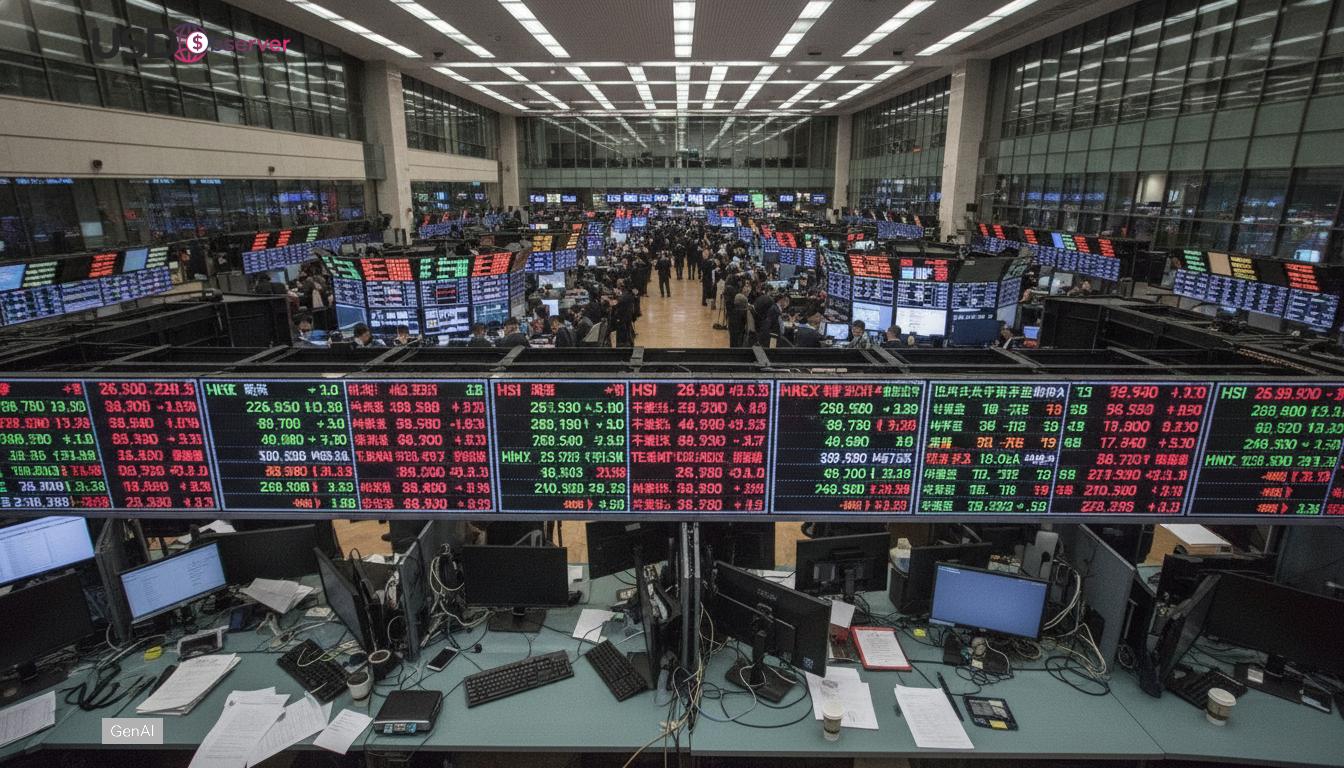
Today’s trading opened with a cautious vibe as new labour statistics shifted growth and rate expectations. The uptick in unemployment in the UK took analysts by surprise, sparking concerns about hiring trends and wage pressures. This data, sourced from the Office for National Statistics and detailed by the BBC, included insights into how businesses are adapting their staffing strategies. Live trading desks honed in on the implications for the Bank of England, moving beyond mere sentiment. Sterling positioning adjusted swiftly as investors weighed the labour signal against persistent inflation. An immediate inquiry across financial markets revolved around whether this downturn in employment is widespread or isolated within specific sectors.
Economic Consequences of Rising Unemployment
Policy analysts worked diligently today to assess how diminished hiring trends might trickle down into consumer demand, tax revenues, and overall confidence in the UK economy. A live recap from the BBC highlighted the labour market’s unexpected cooling, a shift that could reshape rate forecasts and gilt pricing. Job vacancies were scrutinized as a predictive barometer of employer intentions, given that shifts in vacancies typically precede changes in payroll employment. This context is critical for unemployment in the UK, particularly regarding whether the slowdown is a fleeting issue or a sign of long-term challenges. Attention turned to the resilience of wage growth, with risk management teams providing updates to clients on the potential reduction in second-round inflation risks, approaching the data with caution rather than alarm.
Initial Global Market Reactions
In the global arena, the market’s initial response leaned heavily towards FX and rates, with equities displaying more muted reactions, reflecting a heightened sensitivity to central bank expectations. Live pricing data showed sterling fluctuations as traders adjusted their probability estimates for the next Bank of England meeting, while USD demand stabilized as a protective measure. For a broader view on cross-asset positioning, some investors recognized the UK indicator’s influence on crypto appetite, notably citing Bitcoin bull trap signals near 76.5K this week as emblematic of how macro uncertainties can heighten volatility. This prompted updates on correlation models between London and New York as desks analyzed whether this unexpected shock would reverberate throughout risk metrics. Several terminals referenced the New York Times as a key indicator for how US investors interpret UK data in their global allocation choices.
Drivers Behind Job Market Changes
Economists and officials have zoomed in on the underlying drivers of this shift, discerning between cyclical weaknesses and structural transformations. The BBC’s analysis pointed to changing employer demands, with markets closely monitoring job vacancies for indicators of tempered hiring intentions. Live discussions among analysts also touched upon whether increased borrowing costs and softening conditions in rate-sensitive sectors were dampening recruitment efforts. Some readers utilized Exchange Rates Today: Key Forces Driving FX Moves to contextualize how labour signals might influence foreign exchange expectations, even amid mixed data. For those tracking the currency dimensions, this perspective gains importance when discussions pivot from rates to sterling. Another update from rates strategists noted that noise and revisions in data can play a critical role, making upcoming data releases vital for confirming the trend.
Long-term Outlook for the UK Economy
Forecasters adjusted their projections cautiously, emphasizing possible scenarios rather than fixed predictions. Today, strategists highlighted the pivotal question: will weaker employment conditions lead to reduced spending, thereby impacting business investment decisions? The unexpected rise in unemployment in the UK is likely to maintain the Bank of England’s focus on navigating the balance between growth risks and inflation persistence, a tension that often amplifies volatility in both gilts and sterling. Live commentary underlined that global markets respond more to the series of data releases than to any singular piece of information, especially if inflation or wage data diverges from the broader narrative of labour market cooling. Future updates in positioning may arise if subsequent ONS data confirms a sustained uptick, potentially reinforcing the case for a clearer policy shift. For now, investors regard this data as an early signal rather than a definitive conclusion.