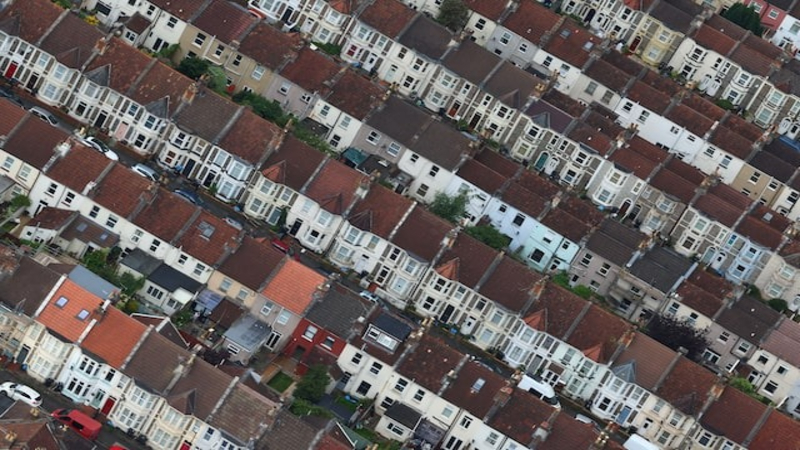
UK house price growth slowed sharply toward the end of the year, with December data pointing to a loss of momentum as buyers and sellers navigated economic uncertainty and shifting interest rate expectations. Annual house price growth eased to its weakest pace since early 2024, while prices unexpectedly fell on a monthly basis, underscoring a cautious tone across the housing market. The pullback followed a modest decline in November and came despite earlier signs of stabilization, suggesting that confidence softened as households weighed tax concerns, slowing growth, and tighter financial conditions heading into year end.
The monthly decline surprised markets, as economists had expected prices to edge higher. Instead, the fall highlighted the sensitivity of housing demand to short term uncertainty, particularly after a volatile period for rates and fiscal policy. Lenders and analysts noted that December is often affected by seasonal patterns, but the scale of the slowdown pointed to broader hesitation rather than calendar effects alone. Activity appeared especially subdued in higher priced regions, where affordability constraints remain more binding even after recent easing in borrowing costs.
Despite the softer headline figures, some measures of affordability showed improvement. Lower mortgage rates over recent months, combined with only modest price gains, have eased pressure on first time buyers. The ratio of house prices to incomes has fallen to its lowest level in more than a decade, reflecting both cooling prices and gradual income growth. This has helped prevent a sharper correction, even as demand remains uneven. However, economists cautioned that any relief may be limited, as a loosening labor market could weigh on wage growth and restrict further improvements in affordability during 2026.
Interest rate expectations remain a key variable for the housing outlook. The central bank has already delivered modest rate cuts, and markets are pricing in one or two additional reductions this year. However, analysts warn that the pace of easing is likely to slow compared with last year, limiting the scope for a meaningful drop in mortgage rates. As a result, housing demand may struggle to reaccelerate quickly, particularly if economic growth remains subdued and households stay cautious about large financial commitments.
Regional trends highlighted a divided market. London saw prices fall on an annual basis, reflecting stretched affordability and weaker demand in the capital, while parts of Northern Ireland posted strong gains, supported by tighter supply and local demand dynamics. Elsewhere, price growth was generally modest, pointing to a market that is stabilizing rather than rebounding. Forecasts for the year ahead suggest low single digit price growth at best, with analysts expecting housing to track broader economic conditions rather than lead them.
Overall, the latest data reinforces the view that the UK housing market is entering a slower, more balanced phase. Sharp declines appear unlikely given improving affordability and limited supply, but strong price growth also looks out of reach without clearer support from wages and interest rates. For now, housing remains caught between easing financial conditions and lingering economic uncertainty, keeping momentum subdued as 2026 begins.