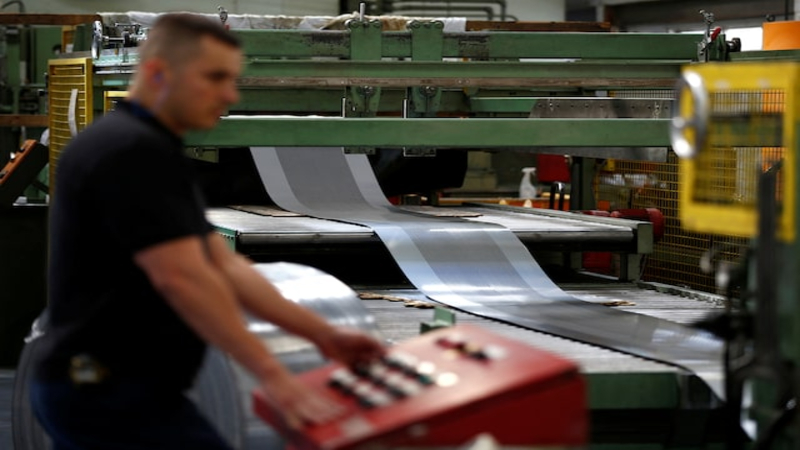
Britain’s manufacturing sector showed modest signs of improvement at the end of 2025, with factory activity expanding at its fastest pace in over a year, though momentum remained limited. Survey data pointed to a narrow return to growth after a prolonged period of contraction, helped in part by inventory rebuilding and the clearing of short term disruptions. The improvement follows months of subdued output as firms navigated weak domestic demand, high costs, and prolonged uncertainty around fiscal policy. While the move back above the expansion threshold offered some relief, the pace of growth fell short of earlier expectations, reinforcing the view that the sector is stabilizing rather than accelerating. For policymakers and investors, the data highlights how fragile the recovery remains as manufacturing continues to lag other parts of the economy entering 2026.
Much of the recent uptick reflected temporary factors rather than a broad based revival in demand. Stock building contributed to output gains, while new orders increased only marginally for the first time in more than a year. Export demand showed early signs of leveling out after an extended period of weakness, and hiring pressures appeared to ease slightly, suggesting firms remain cautious about committing to expansion. Business sentiment, however, softened despite reduced uncertainty around the government’s latest budget, indicating that confidence has yet to fully recover. Manufacturers continue to face a challenging environment marked by high input costs, fragile global demand, and lingering concerns about competitiveness. As a result, the sector’s near term outlook remains dependent on whether these early improvements can translate into sustained order growth.
Policy dynamics continue to shape expectations for the months ahead. The Bank of England’s recent interest rate cut has raised hopes that financial conditions may gradually become more supportive, but its impact on demand has yet to materialize. Fiscal clarity following the government’s budget provided some reassurance, particularly as most tax increases were delayed or softened for businesses, but firms remain wary of longer term cost pressures. Inflation indicators within the survey moved higher, driven largely by labor costs and tax related expenses, complicating the policy backdrop. These pressures limit the scope for aggressive easing and reinforce caution among manufacturers assessing pricing and investment decisions as they enter the new year.
Sector specific factors also played a role in December’s data, with normalization in parts of the automotive supply chain helping lift output after earlier disruptions. Even so, business optimism declined, reflecting concerns that recent gains may fade once temporary boosts pass. Companies cited geopolitical uncertainty, rising employment costs, and the potential impact of future government measures as key risks. While the return to marginal growth marks a turning point after an extended slump, the overall picture remains one of an economy struggling to generate momentum. The manufacturing sector’s performance heading into 2026 suggests stabilization rather than recovery, leaving growth prospects highly sensitive to policy, costs, and external demand conditions.