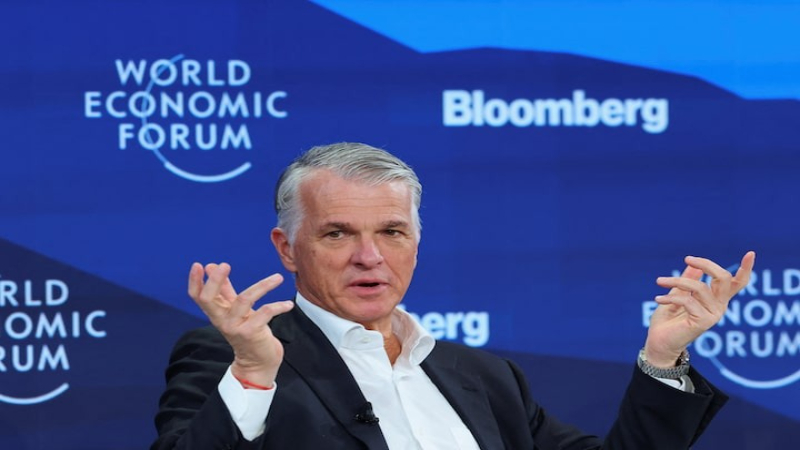
Switzerland’s response to the collapse of Credit Suisse in 2023 was driven largely by emotion, according to UBS chief executive Sergio Ermotti, who said the country is only now beginning to approach the issue with greater distance as it debates new banking regulations. Speaking at a financial services conference in Florida, Ermotti said the shock of the crisis continues to shape political and regulatory thinking, even as lawmakers reassess proposals aimed at preventing a repeat of the turmoil.
The rescue of Credit Suisse, once a pillar of Swiss banking, marked a defining moment for the country’s financial system and public confidence. Ermotti said the emotional fallout from that period lingered well beyond the immediate crisis, influencing how regulators and politicians approached UBS, which absorbed its former rival in a government backed deal. He suggested that the tone of the debate is gradually shifting as policymakers move from crisis management toward longer term structural decisions.
UBS has been vocal in its criticism of some proposed regulatory measures, arguing that certain ideas under discussion would be excessive and could undermine the bank’s ability to compete globally. Ermotti said the bank expects more clarity on the future regulatory framework within the next two to three months, a timeline investors are watching closely given the potential impact on capital requirements and operating costs.
Despite the pressure, Ermotti reaffirmed UBS’s commitment to Switzerland as its home base. He said relocating the bank’s headquarters is not currently under consideration, emphasizing that UBS still aims to operate as a global institution rooted in the Swiss financial system. That message is intended to reassure both domestic stakeholders and international clients concerned about the long term direction of the bank following the Credit Suisse integration.
The comments come as UBS continues to navigate challenges beyond Europe. In the United States, Ermotti acknowledged that the bank has faced headwinds, particularly in its wealth management business, where client outflows have weighed on overall performance. These outflows overshadowed otherwise strong results reported recently, highlighting the uneven recovery UBS is managing across regions.
Ermotti said the bank has deliberately chosen to prioritize efficiency and profitability over rapid expansion in the US market. He described the strategy as medium to long term, focused on restoring what he called appropriate levels of profitability rather than chasing short term growth. This approach reflects a broader shift within UBS toward tighter cost control and disciplined capital allocation following the Credit Suisse deal.
The regulatory debate in Switzerland remains central to UBS’s outlook. Lawmakers are under pressure to demonstrate that lessons have been learned from the 2023 crisis, while avoiding measures that could weaken the competitiveness of the country’s flagship bank. Ermotti’s remarks suggest UBS believes a more balanced conversation is now emerging, one less influenced by the immediate shock of Credit Suisse’s collapse.
As Switzerland reassesses its role as a global banking hub, the coming months will be critical. Decisions on regulation, capital buffers, and oversight will shape not only UBS’s future, but also the broader perception of Swiss financial stability after one of the most dramatic episodes in its modern banking history.