UAE’s Strategic Move from Opec
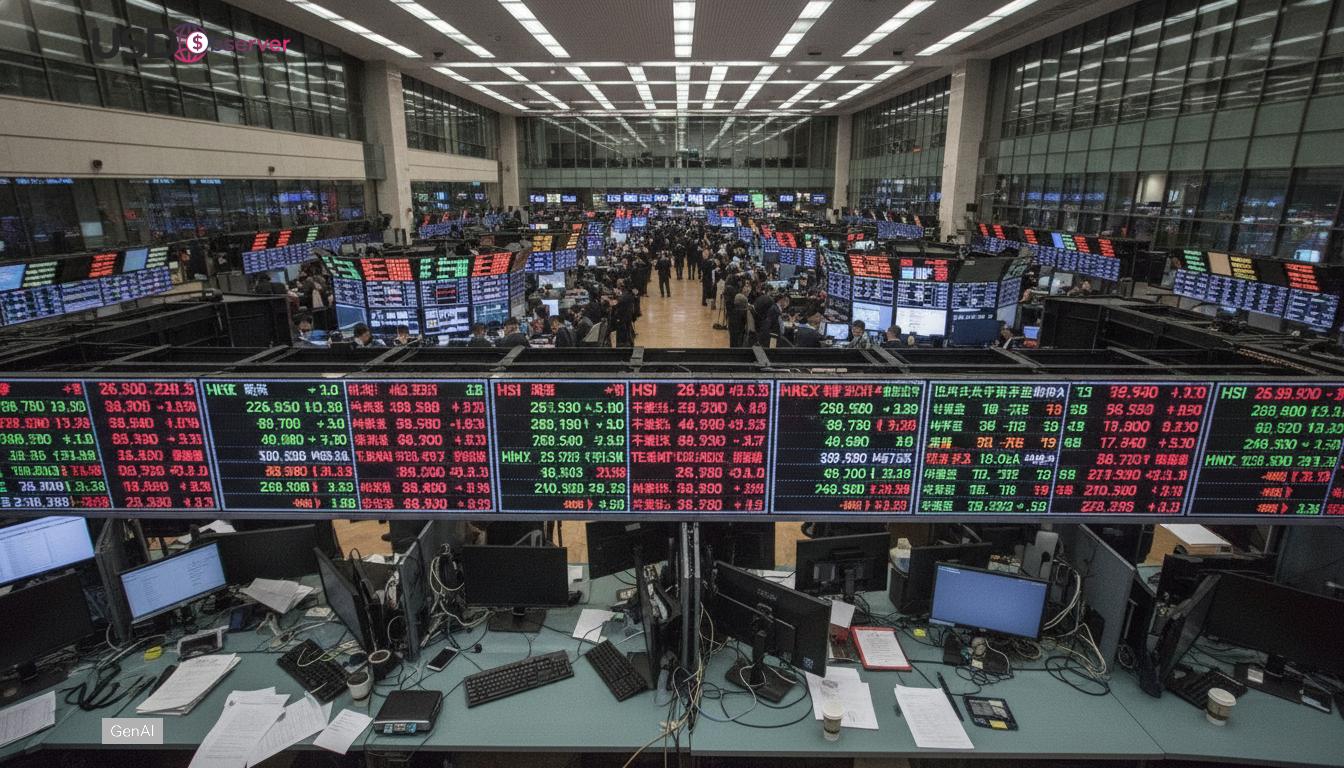
Traders are treating Abu Dhabi’s posture as a test of how quickly discipline can fray inside producer alliances. Officials have not published a formal withdrawal notice Today, but desks are already repricing tail risks around quotas and compliance. In the middle of that repricing, the uae opec exit impact is being modeled as a credibility shock rather than a pure barrels shock, because the UAE has often framed policy around capacity growth and investment timing. Reuters has repeatedly described Opec+ management as a confidence channel for forward curves, and that channel is what gets stress tested first. A Live read on swaps shows wider skews around key meeting dates, while another Update is expected when ministers clarify the next decision calendar.
Immediate Effects on Oil Prices
Intraday pricing has become more sensitive to headline timing, with front month spreads reacting faster than outright levels Today. In a Live cross asset session, some energy traders pointed to tighter jet fuel conditions as a near term amplifier, consistent with BBC reporting on disruption risks and jet fuel shortages at jet fuel shortages and summer travel risks. The fastest mechanism is not physical supply but the perceived willingness to keep cuts aligned, and that is why oil prices uae opec exit is being discussed on macro desks alongside rates and FX. For a market structure comparison, the risk on risk off impulse mirrors flows described in Top 3 Stablecoin Signals for a Market Recovery. The next Update will likely come from official Opec communication rather than price action itself.
Long-term Impact on Opec’s Influence
Beyond the first reaction, the key question is whether Opec can still anchor expectations if a high capacity member breaks from the group’s messaging. Analysts tracking uae opec exit analysis focus on enforcement and the signaling effect for other producers that want higher baselines. In the middle of that debate, the uae opec exit impact becomes measurable through weaker meeting effects, meaning smaller and shorter lived price responses after policy statements. The IEA has emphasized in recent monthly reports that spare capacity and compliance shape volatility, and that framing implies influence erodes when compliance is questioned. A Live look at options term structure can reveal this, because longer dated implieds can rise even when spot is stable. Today’s most durable Update will be whether the alliance can substitute persuasion for formal quota discipline.
Global Market Reactions
Currency and credit markets are reacting less to the notion of UAE exit Opec itself and more to the risk that oil swings feed inflation expectations. Today, that sensitivity is visible in USD pricing versus commodity linked currencies, where traders watch energy moves for second order effects on central bank paths. In the middle of that transmission, readers can compare how crude risk ties into exchange rate stress in Oil Prices and Currencies, the Hormuz Link Now. A Live market narrative is also forming around airline costs, and BBC coverage of policy planning for fuel disruptions reinforces why jet fuel matters for broader sentiment. The immediate Update for global allocators is whether energy volatility is temporary noise or a regime shift that forces wider hedging budgets.
Future Scenarios for Oil Producers
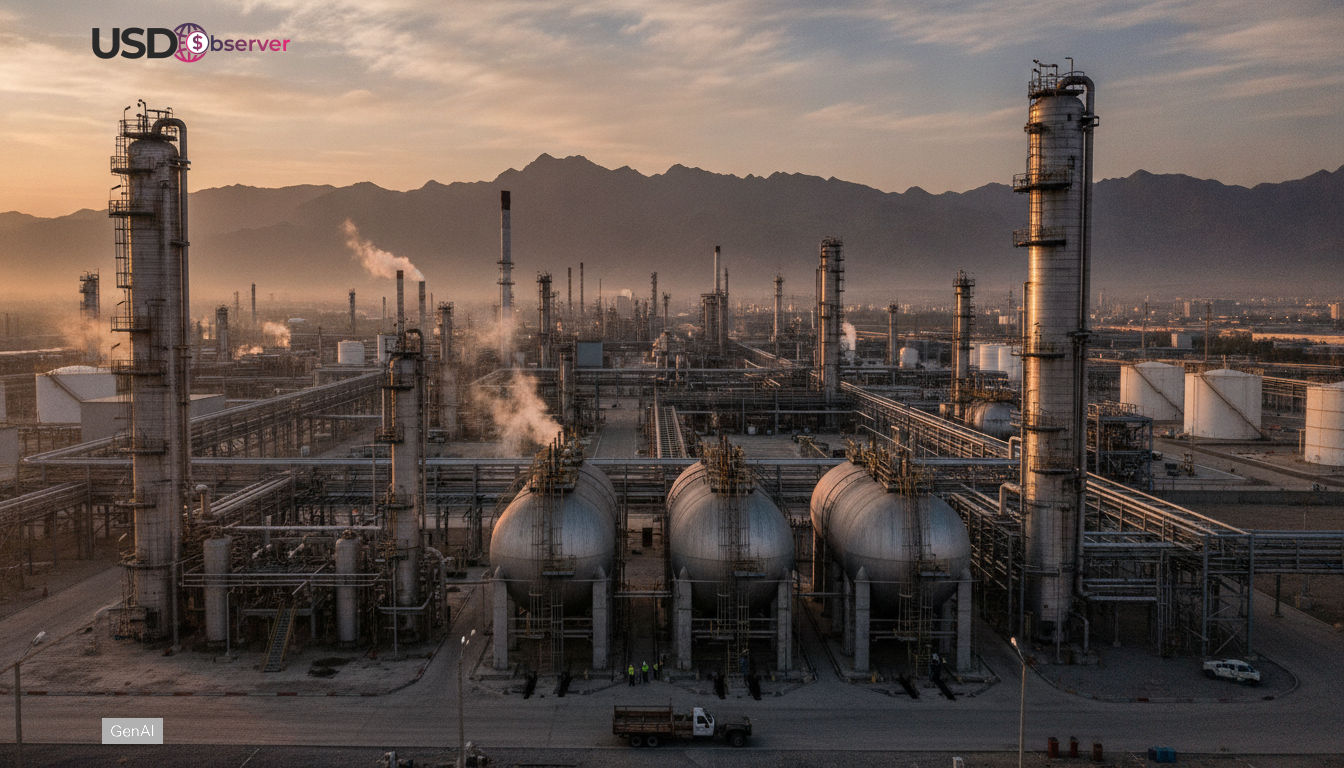
Producers are now weighing whether to compete on volume, coordinate through smaller coalitions, or rely on bilateral alignment with key exporters. The phrase uae leaving opec matters because it changes bargaining power during quota resets, especially for members that depend on stable revenue rather than capacity growth. In the middle of scenario work, the uae opec exit impact is best tracked through two practical indicators, meeting outcomes versus market expectations and the speed at which differentials normalize after shocks. In Abu Dhabi and Riyadh trading circles, the IEA’s emphasis on spare capacity and demand uncertainty implies that influence will be earned through reliability, not communiques. A Live policy signal would be a clear and credible path for baseline setting, while Today’s market is still pricing ambiguity. The next Update will come when producer investment plans are reconciled with any new coordination framework.