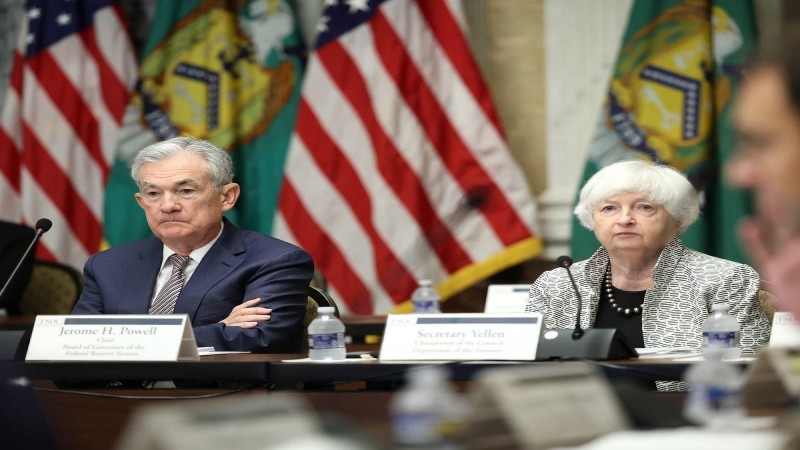
Foreign investors are showing renewed appetite for U.S. government debt as Treasury yields climb to multi-year highs. The latest bond auction recorded unprecedented foreign participation, underscoring global confidence in U.S. assets despite ongoing fiscal debates and volatile markets. The strong demand reflects a combination of attractive yields, relative safety, and limited alternatives amid slowing global growth.
For Washington, the surge in foreign buying provides short-term relief by supporting borrowing needs at a time of widening deficits. For global markets, it highlights how the dollar-denominated debt system continues to serve as a magnet for capital whenever uncertainty rises.
Why Foreign Investors Are Returning
Higher Yields Revive Demand for Dollar Debt
With benchmark Treasury yields hovering at their highest levels in years, investors from Asia, Europe, and the Middle East are flocking back to U.S. securities. Ten-year notes are offering returns that outpace most developed-market bonds, while credit quality remains unrivaled. For sovereign wealth funds and reserve managers, these yields provide both income and a safe-haven anchor in portfolios.
Many investors see the U.S. Treasury market as the most liquid and reliable venue for large-scale allocation, particularly when growth elsewhere is faltering. While higher yields increase Washington’s borrowing costs, they simultaneously attract global buyers seeking stability, deep liquidity, and predictable returns.
Diverging Monetary Cycles Strengthen the Case
Global central banks are at different stages of their policy cycles, creating yield gaps that favor U.S. assets. While parts of Europe and Asia are moving toward easing to support weak demand, the Federal Reserve’s restrictive stance keeps U.S. yields elevated. That divergence makes Treasuries especially appealing to investors looking for both return and currency strength.
At the same time, inflation expectations remain moderate, suggesting real yields in the U.S. could stay positive for an extended period. For institutional investors facing low returns at home, dollar debt offers a rare combination of yield and safety.
Implications for the Dollar and Global Capital Flows
Capital Inflows Reinforce Dollar Strength
The surge in foreign purchases of Treasuries adds another pillar of support to the U.S. dollar. When investors buy American debt, they need dollars to settle transactions, boosting demand for the currency. This flow reinforces the dollar’s role as the global reserve unit and can amplify its appreciation against peers.
The dollar’s renewed strength has a mixed impact globally. It stabilizes financial markets in the short run but tightens conditions for countries with dollar-denominated liabilities. Emerging-market currencies, in particular, may face renewed depreciation pressure if U.S. yields remain high and capital continues flowing toward dollar assets.
Global Funding Costs Rise as Benchmarks Shift
Higher Treasury yields ripple through the global financial system. Many sovereign and corporate borrowing rates are benchmarked to U.S. debt, meaning that funding costs rise worldwide when yields climb. This dynamic tightens global liquidity, increases debt-service burdens, and slows credit growth.
For advanced economies, this shift complicates fiscal management. For developing nations, it can trigger capital outflows or prompt emergency measures to stabilize currencies. The renewed strength of U.S. markets therefore serves as both a stabilizing force and a source of stress, depending on which side of the capital flows a country sits.
Domestic Implications and Fiscal Considerations
Borrowing Costs Challenge U.S. Policy Makers
While foreign demand supports Treasury auctions, it does not erase the challenge of rising borrowing costs. The U.S. government faces a growing interest bill as debt issuance continues to expand. Fiscal policymakers must balance the benefits of strong demand with the reality of higher long-term costs.
Persistent deficits and elevated yields could gradually raise concerns among credit-rating agencies and long-term investors about debt sustainability. Although the U.S. remains the world’s benchmark borrower, policymakers are under pressure to demonstrate fiscal prudence to sustain global confidence.
Market Confidence and Debt Management Strategy
The Treasury Department’s ability to attract strong participation at auction reinforces market confidence in U.S. financing capacity. By lengthening maturities and adjusting issuance volumes, officials aim to manage refinancing risk while maintaining steady demand. Investors appear to view these efforts positively, supporting stable pricing across maturities.
However, the growing size of the Treasury market raises structural questions about the depth of global demand. If yields climb further, some buyers may hesitate, particularly those with exposure to currency volatility. For now, the balance between attractive yields and perceived safety continues to draw foreign interest.
The Global Context Behind the Surge
Safe-Haven Flows in an Uncertain World
Geopolitical tension, uneven global growth, and persistent inflation are encouraging investors to seek reliable assets. U.S. Treasuries remain the most trusted refuge in times of stress. The latest auction results reflect this pattern, as concerns about slowing growth in Europe and Asia lead global investors back to dollar assets.
These safe-haven flows highlight the central role of the U.S. financial system in absorbing global savings. Even as fiscal risks grow, the perceived security of U.S. debt remains unmatched. Until other markets can offer comparable liquidity and depth, Treasuries are likely to stay the cornerstone of global portfolios.
Balancing Short-Term Demand and Long-Term Risks
For the U.S., the return of foreign demand is a double-edged sword. It helps stabilize funding and supports the dollar, but it also underscores global dependence on U.S. debt markets. If foreign participation were to decline suddenly, yields could spike, increasing the cost of financing. Managing that balance will be crucial for policymakers as debt levels rise.
Looking ahead, sustaining demand will require maintaining the credibility of fiscal and monetary frameworks. Any perceived loss of discipline could quickly shift sentiment and challenge the dollar’s dominance in global finance.
Conclusion
The record foreign demand at the latest U.S. Treasury auction underscores the enduring global appeal of American debt amid a world of rising uncertainty. Higher yields have made Treasuries an attractive haven for capital, strengthening both the market and the dollar. Yet the longer such conditions persist, the more they test the balance between safety and sustainability.
For investors and policymakers alike, the message is clear: confidence in U.S. debt remains robust, but maintaining that trust will require vigilance as borrowing needs grow and global financial conditions tighten.