Introduction
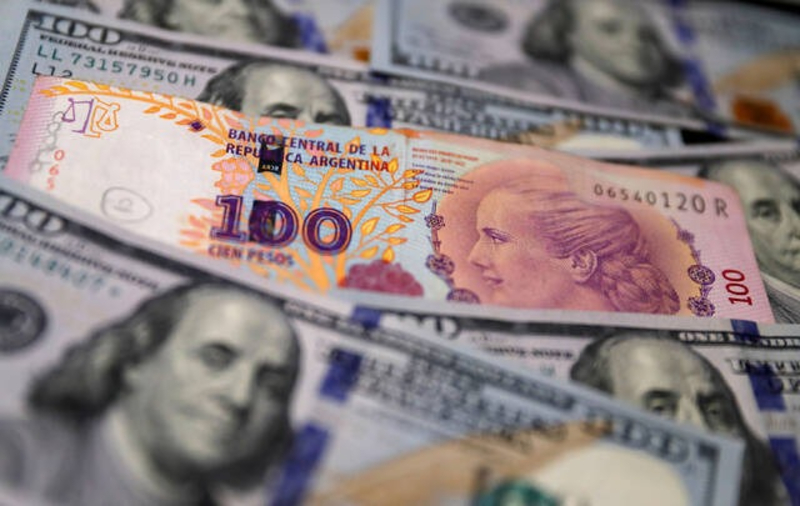
The United States Treasury has finalized a twenty-billion-dollar currency swap agreement with Argentina in an effort to stabilize the South American nation’s financial markets and support its struggling peso. The rare intervention comes after weeks of speculation that the U.S. government was considering direct measures to prevent a broader spillover of currency volatility across emerging markets. Under the agreement, the Treasury will purchase Argentine pesos from the central bank to provide short-term liquidity while strengthening the country’s ability to manage its reserves.
Argentina’s economic challenges have intensified over the past year, driven by inflation above one hundred percent, depleting reserves, and widening fiscal deficits. The new swap arrangement reflects growing cooperation between Washington and Buenos Aires, as well as renewed attention from international lenders and policymakers seeking to prevent another sovereign default. This move underscores how the United States remains deeply invested in preserving regional financial stability at a time when global markets are grappling with tightening liquidity and shifting capital flows.
Background and Strategic Motivation
Argentina’s ongoing financial crisis has been a major concern for both domestic policymakers and international institutions. Decades of cyclical debt defaults, inconsistent fiscal policy, and currency devaluations have left the economy vulnerable to external shocks. The recent shortage of foreign reserves forced the government to impose import restrictions and seek emergency support from the International Monetary Fund. The U.S. decision to intervene directly by purchasing pesos highlights the urgency of preventing a collapse that could destabilize regional economies.
From the U.S. perspective, the currency swap serves multiple strategic purposes. It helps maintain political and economic influence in South America, a region where other powers such as China have expanded financial engagement. By supporting Argentina’s currency and stabilizing its markets, Washington aims to preserve confidence in dollar-based trade and finance within the hemisphere. The initiative also aligns with the Treasury’s broader policy of using financial diplomacy to manage systemic risk without large-scale bailouts.
Structure of the Swap Arrangement
According to financial analysts, the twenty billion dollar agreement operates as a structured currency swap rather than a direct loan. This means that the U.S. Treasury provides dollars in exchange for pesos, which Argentina will repurchase later at a predetermined rate. Such mechanisms are often used to provide temporary liquidity while avoiding long-term debt accumulation. The funds are expected to be deployed primarily for reserve management, import financing, and currency stabilization operations conducted by Argentina’s central bank.
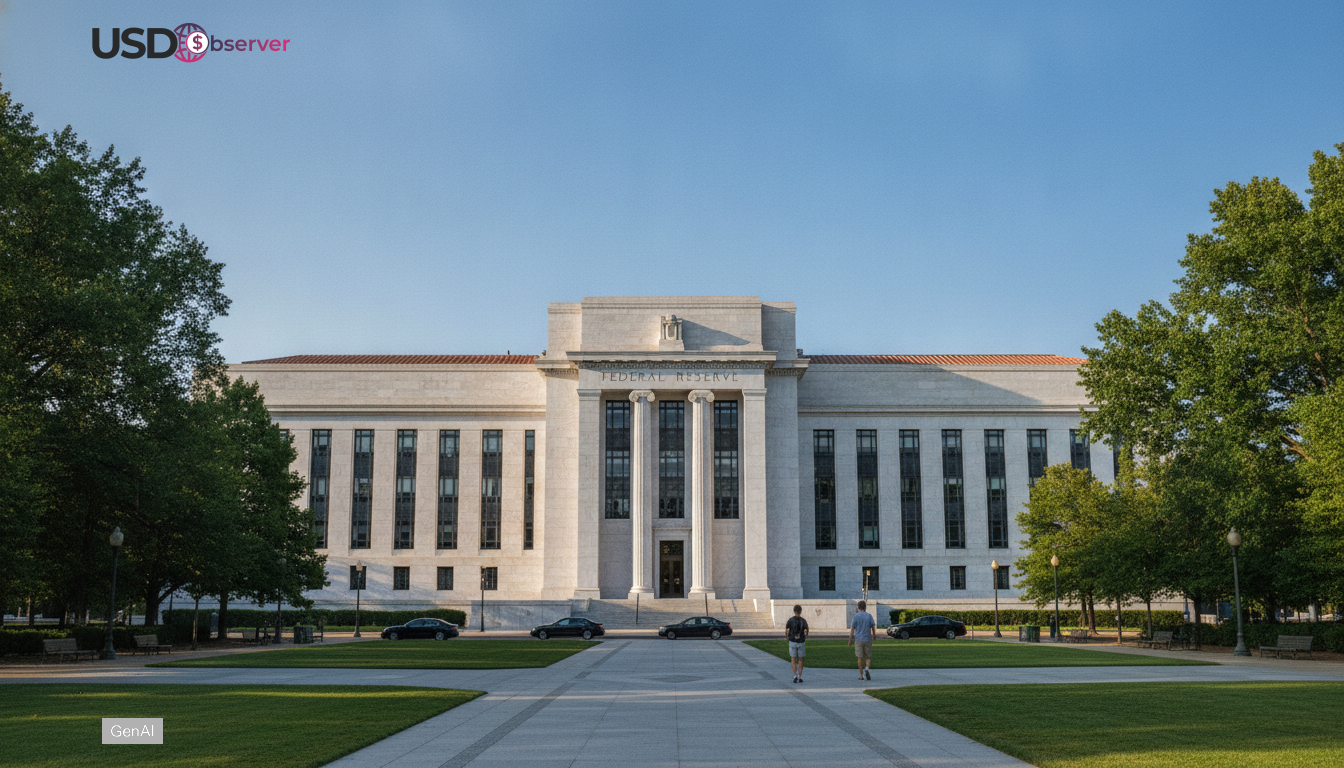
The deal follows weeks of technical negotiations involving the U.S. Treasury, Federal Reserve representatives, and Argentine financial officials. The transaction is expected to be monitored closely by the IMF, which remains Argentina’s largest creditor. Observers note that this marks one of the first times the U.S. has engaged in a bilateral currency swap with a Latin American country outside of traditional central bank frameworks. The move underscores Washington’s willingness to adapt its tools to fit the needs of specific regional partners facing acute financial pressure.
Implications for the Argentine Economy
For Argentina, the agreement provides immediate relief in stabilizing the peso and preventing further depletion of foreign reserves. The currency has faced relentless downward pressure in recent months as investors lost confidence in government policy and sought refuge in the U.S. dollar. By supplying liquidity directly into the market, the swap aims to reduce speculative attacks on the peso and ease the inflationary spiral that has eroded consumer purchasing power.
However, economists caution that the swap alone will not resolve Argentina’s deeper structural issues. Sustained recovery will depend on fiscal discipline, export growth, and a credible monetary framework. The government must also address chronic policy uncertainty that has deterred investment for decades. While the U.S. intervention may stabilize markets temporarily, its effectiveness will ultimately hinge on domestic reforms that build investor trust and restore long-term confidence.
Regional and Global Impact
The currency swap has significant implications beyond Argentina’s borders. Latin America’s financial markets are deeply interconnected, with capital flows and commodity prices influencing one another across national lines. A full-blown collapse of the Argentine peso could have triggered risk aversion throughout the region, weakening local currencies from Brazil to Chile. The U.S. action is therefore being viewed as a preemptive step to contain contagion and reaffirm dollar leadership in regional finance.
Globally, the intervention also signals how the United States continues to use financial instruments as a diplomatic lever. At a time when emerging markets face growing pressure from rising interest rates and a strong dollar, the Treasury’s willingness to engage in direct currency operations demonstrates flexibility. Analysts suggest that this could serve as a model for similar arrangements in other countries experiencing liquidity stress, provided they maintain credible fiscal policies and transparency standards.
Political Dimensions and Strategic Significance
Domestically, the agreement has political implications for both nations. For Argentina’s leadership, securing U.S. backing provides much-needed political capital ahead of critical economic reform debates. It signals confidence from Washington and could help calm domestic investors wary of another default. For the United States, the move reinforces its commitment to economic stability in the Western Hemisphere and counters the growing influence of alternative lenders.
Some political observers argue that the agreement also reflects Washington’s broader strategy of counterbalancing China’s financial footprint in the region. In recent years, China has expanded its network of swap lines and infrastructure investments across Latin America. By offering financial support to Argentina, the U.S. demonstrates that it remains a decisive actor in shaping the region’s economic direction. The collaboration between the Treasury and the IMF highlights a coordinated approach to ensuring that Argentina remains aligned with global financial norms.
Market Reaction and Forward Outlook
Initial market reactions to the swap agreement have been cautiously positive. The Argentine peso strengthened modestly following the announcement, while sovereign bond yields declined slightly, reflecting improved investor sentiment. Analysts expect short-term stabilization but warn that volatility could return if Argentina fails to implement accompanying policy measures. The central bank is likely to use the additional reserves to manage currency fluctuations and support key imports critical to the economy.
Looking ahead, the Treasury’s intervention will likely be scrutinized by both U.S. lawmakers and international observers. Questions remain about the sustainability of such bilateral arrangements and their implications for global financial governance. The IMF is expected to release an updated assessment of Argentina’s debt sustainability in the coming months, which will help determine whether the swap achieves its intended goals. For now, the agreement stands as a symbolic gesture of confidence and a practical tool to buy time for reform.
Conclusion
The U.S. decision to finalize a twenty-billion-dollar currency swap with Argentina represents a bold and unconventional move in international financial diplomacy. It provides immediate relief to a struggling partner while reinforcing dollar stability across the region. Yet the swap is only a temporary solution to deeper structural issues that have plagued Argentina’s economy for decades. Without comprehensive fiscal reform and policy consistency, the underlying vulnerabilities may resurface once the support expires.
For Washington, this initiative reflects a willingness to adapt traditional tools to modern challenges. It demonstrates that financial stability remains a shared global responsibility, one that requires proactive engagement rather than reactive crisis management. As global liquidity tightens and emerging markets face renewed pressure, such targeted interventions may become increasingly important in preserving the balance of the international monetary system.