Current Status of the U.S. Dollar
Reserve managers still treat the U.S. Dollar reserve currency as the central unit for invoicing, hedging, and parking liquidity when risk spikes. The dollar’s advantage is not sentiment, it is market depth: Treasury bills and notes trade with enormous volume, tight spreads, and predictable settlement, which keeps transaction costs low for central banks and large institutions. In the global economy, that liquidity premium matters more than short term political headlines because it determines how quickly reserves can be mobilized. Today, the key signal is not whether the dollar is used, it is how persistently users pay up for its safety and convenience. Live pricing across FX and rates continues to reward dollar liquidity, even as diversification grows, and that is the practical Update markets deliver.
Historical Context and Evolution
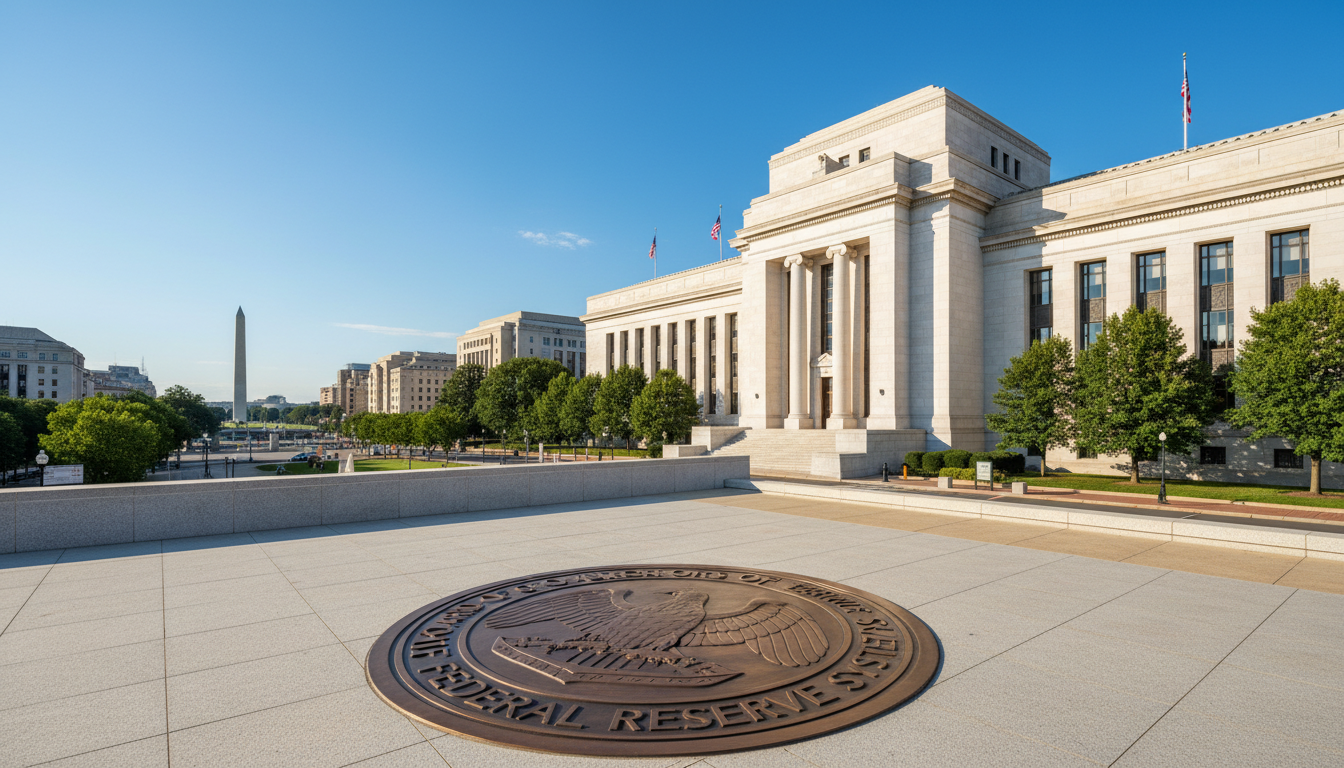
The Federal Reserve’s credibility is tied to how the dollar earned its reserve status through institutional continuity rather than sudden reinvention. After World War II, dollar convertibility and U.S. economic scale made it the anchor for postwar monetary systems, and later the shift away from gold did not break reserve demand because Treasuries and dollar funding markets replaced the old mechanism with an even more tradable one. That history shows why inertia is powerful: contracts, benchmarks, and payment rails are expensive to redesign. In parallel, the rise of stablecoins has created a new wrapper around dollar demand, and an IMF warning on stablecoin run risk underscores why official reserves still prefer regulated sovereign instruments. Today, that institutional memory frames every Live discussion and each policy Update.
Factors Supporting The Dollar’s Dominance
Dollar dominance is reinforced by three mechanics that show up in price action rather than speeches: collateral utility, network settlement, and policy transmission. Treasuries are the preferred collateral for margining and repo, which makes them functional plumbing for dealers and clearinghouses that intermediate cross border finance. That plumbing matters because it reduces funding stress when conditions tighten, and it channels the Federal Reserve’s decisions into global financial conditions quickly. The U.S. legal framework also supports enforceability, which is a quiet but decisive edge for long duration holdings. When markets digest shocks, the dollar’s network effect is visible in how quickly trade finance and swap lines reference it. The closest real time proof is that cross currency basis and funding spreads still normalize first in USD, a Live tell that becomes an Update for reserve managers.
Challenges to its Reserve Currency Status
Challenges are rising, but they are concentrated in political economy and in the architecture of payments rather than in a sudden loss of market function. Higher U.S. debt levels and periodic fiscal standoffs create headline risk that can widen term premia, while sanctions and geopolitics encourage some governments to reduce exposure to dollar clearing. Meanwhile, alternative settlement channels, including tokenized deposits and stablecoin rails, aim to lower frictions that used to lock trade into legacy correspondent banking. The market read is nuanced: diversification can increase at the margin without dethroning the reserve core if substitutes lack comparable depth and convertibility under stress. For context on how digital dollar instruments are expanding, a related report on Tether’s Made in America stablecoin illustrates how private issuers try to align with U.S. regulation while scaling distribution globally.
Future Outlook of the Dollar in Global Economics
The most credible outlook is a slower, competitive drift rather than a dramatic break, because reserve currency status is an ecosystem built on liquidity, governance, and habit. In the global economy, the dollar can lose share in measured reserves while remaining dominant in trade invoicing, derivatives margin, and crisis funding, the areas that create the highest switching costs. The Federal Reserve’s challenge is to preserve confidence in price stability and market functioning, since those are the two conditions reserve managers cannot manufacture themselves. A useful lens is to watch how commodity pricing and conflict risk feed into safe haven flows, especially when energy shocks or supply disruptions hit. Recent tensions have already kept investors alert, and coverage of copper risk tied to war threats shows how quickly global inputs can reprice and pull USD liquidity into focus. The long game is about maintaining the deepest pool of high quality collateral while adapting payments infrastructure without sacrificing oversight, which is the Update that will matter most.