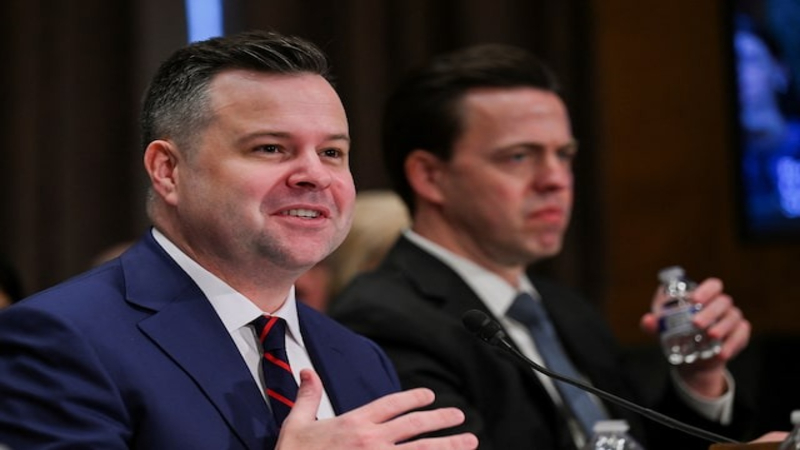
Tensions have intensified inside the U.S. housing finance system as sweeping leadership changes at the Federal Housing Finance Agency trigger unease among staff at Fannie Mae and Freddie Mac. Since assuming control of the regulator earlier this year, newly installed leadership has moved quickly to replace long serving officials with advisers tied through political or personal networks, reshaping oversight of institutions that underpin most U.S. mortgages. The pace and scope of the changes have unsettled employees across both government sponsored enterprises, which have operated under federal conservatorship since the financial crisis. Critics warn that prioritizing loyalty over technical experience risks undermining confidence in entities central to housing market stability. With mortgage affordability already strained, internal disruption at the agencies responsible for liquidity and standards has drawn growing scrutiny from ethics experts and former regulators.
Concerns have deepened as regulatory leadership increasingly blends policy actions with overt political messaging. Senior officials have made extensive use of social media to promote administration priorities and to allege mortgage related misconduct by political opponents, actions that staff say blur lines between regulation and partisanship. These moves have coincided with workforce reductions that eliminated roles tied to compliance, ethics, and inclusion initiatives, fueling anxiety about internal controls. Several policy proposals have also sparked debate within the housing finance industry, including the idea of extending mortgage terms well beyond traditional structures in an effort to lower monthly payments. Industry veterans caution that such changes could increase long term household debt burdens and introduce new risks for lenders and investors. The combination of personnel upheaval and untested policy concepts has heightened uncertainty within institutions designed to function with operational stability rather than political volatility.
Additional controversy has emerged around proposals to integrate cryptocurrency considerations into mortgage underwriting. Staff within the housing enterprises have struggled to assess how volatile digital assets could be treated safely within loan qualification frameworks, particularly as many lenders remain wary of valuation and custody risks. Critics argue that such initiatives raise questions about conflicts of interest and regulatory impartiality, especially amid broader deregulatory signals toward digital assets. Oversight bodies have begun examining whether agency resources were misused in pursuing criminal referrals tied to public allegations, adding another layer of legal and institutional risk. Supporters of the leadership overhaul argue the changes are necessary to eliminate waste and modernize housing finance operations. However, the growing friction between regulators and staff highlights a deeper debate over governance, independence, and credibility at a moment when the U.S. housing market remains highly sensitive to confidence and policy clarity.