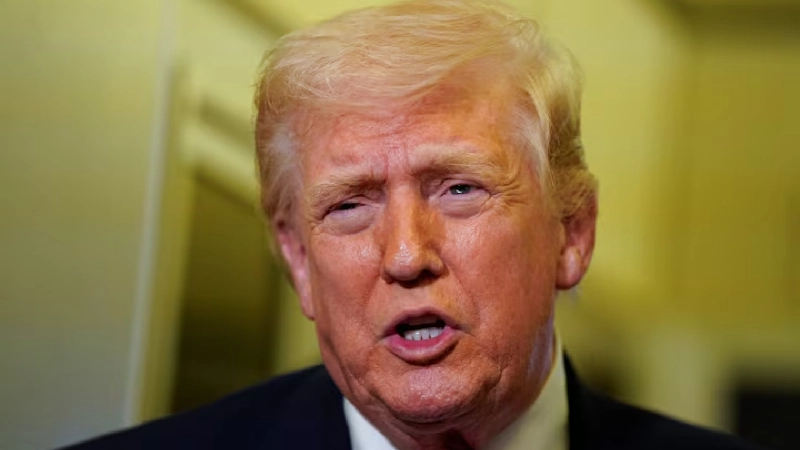
Donald Trump has renewed his warning to Iran to reopen the strategically vital Strait of Hormuz, signaling potential military action if access to the key global energy route is not restored. The latest statement comes as geopolitical tensions remain elevated, even as Washington suggests progress in diplomatic efforts to end the conflict. Markets and policymakers are closely watching developments, given the strait’s importance for global oil shipments and its direct influence on energy prices and economic stability worldwide.
Trump indicated that discussions were underway with what he described as a more cooperative leadership in Iran, raising cautious hopes for a negotiated resolution. However, his remarks also carried a strong warning, emphasizing that failure to reach an agreement could result in targeted strikes on Iran’s energy infrastructure, including oil wells and power facilities. The dual messaging reflects a strategy that combines diplomatic engagement with pressure tactics, as the United States seeks to secure both geopolitical and economic outcomes in the region.
The Strait of Hormuz remains one of the most critical chokepoints in global energy supply, handling a significant share of the world’s oil and gas flows. Any disruption to its operations has immediate consequences for international markets, often triggering spikes in oil prices and increasing volatility across financial systems. The current standoff has already contributed to rising energy costs, reinforcing inflation concerns and complicating economic outlooks for both developed and emerging economies.
Iranian officials have pushed back against U.S. claims of ongoing negotiations, denying that direct talks are taking place and accusing Washington of escalating military preparations. Reports of increased U.S. troop deployments in the region have further heightened tensions, with Iranian leaders warning of potential consequences if the conflict expands. The situation remains fluid, with both sides signaling willingness to engage while simultaneously preparing for further escalation.
The broader geopolitical environment continues to influence investor sentiment and policy decisions across global markets. Energy prices remain highly sensitive to developments in the region, while governments and central banks are adjusting strategies to manage the economic impact of prolonged instability. Analysts note that uncertainty surrounding the conflict is likely to persist, keeping markets on edge as they respond to both diplomatic signals and military developments.
As the situation evolves, the focus remains on whether diplomatic efforts can prevent further escalation and restore stability to global energy markets. The outcome will have far reaching implications for oil supply, inflation trends and overall economic growth. With no clear resolution yet in sight, investors and policymakers are expected to remain cautious, closely monitoring every development in the unfolding geopolitical crisis.