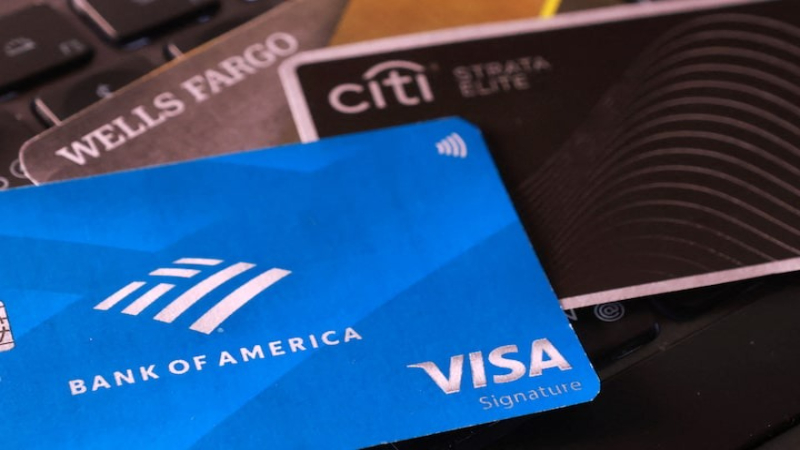
President Donald Trump said he has received calls from major credit card companies as he renewed pressure on the industry to lower borrowing costs for consumers, signaling continued political focus on household finances ahead of congressional elections. Speaking publicly, Trump argued that credit card issuers earn substantial profits and should provide relief to consumers facing elevated interest rates. His remarks revive a proposal to impose a temporary cap on credit card interest rates, framing it as part of a broader effort to address cost of living concerns. While no specific firms or executives were named, the comments underscored growing scrutiny of consumer lending practices at a time when household debt levels remain high and borrowing costs have risen sharply over recent years.
The proposal centers on a one year cap that would limit credit card interest rates to ten percent, a measure Trump has previously floated during earlier election cycles. He has called on Congress to approve the plan, though he has offered limited detail on how such a cap would be structured or enforced. The idea has gained attention as voters continue to express frustration over rising everyday expenses, including financing costs tied to revolving credit. Credit card rates have remained elevated even as broader inflation pressures have moderated, intensifying political debate over whether policy intervention is warranted. Trump’s renewed push places consumer credit squarely within the broader economic narrative shaping the election year.
Banking industry groups have pushed back against the proposal, warning that an interest rate cap could restrict access to credit, particularly for lower income or higher risk borrowers. Industry representatives argue that pricing reflects credit risk and funding costs, and that artificial limits could lead lenders to reduce available credit lines or tighten approval standards. Market analysts have echoed skepticism, noting that such a measure would likely require legislation and face resistance within Congress despite some bipartisan interest in addressing high borrowing costs. Lawmakers remain divided over balancing consumer protection with financial system stability, making the outlook for any cap uncertain.
The debate highlights broader tensions within the U.S. economy as strong consumer spending coexists with growing concern over household balance sheets. Credit card balances have continued to climb, while interest burdens remain a growing strain for many families. Trump’s comments suggest the issue will remain part of the political agenda as policymakers weigh how to address affordability without disrupting credit markets. For now, the proposal has added another layer of uncertainty for lenders and investors, even as its path to implementation remains unclear. The renewed focus on credit card rates reflects an election year environment where consumer costs are likely to remain at the center of economic and political discussion.