Trump’s Economic Policies and the US Dollar
Traders are treating tariff and tax signals as immediate inputs to currency pricing rather than distant campaign rhetoric. Today, desks are watching how Trump policies could reprice growth expectations and raise the risk premium demanded for holding dollar assets. In the middle of that debate, US dollar global stability is being discussed as a market variable, not a fixed backdrop, as hedging costs and cross currency basis are monitored in Live conditions. The Federal Reserve has stressed in recent communications that policy remains data dependent, and the CME Group FedWatch tool is used by investors to track shifting rate probabilities. That repricing cycle is forcing an Update to corporate treasury playbooks on cash timing and FX cover.
Global Reactions to US Dollar Instability
Officials outside the United States are reacting less to slogans and more to the transmission channel into funding markets. Today, several central bank watchers frame the USD impact through reserve management choices, and Stablecoin Liquidity Surges to $320.6B in May is cited alongside IMF analysis by policymakers when they discuss spillovers from US financial conditions. Some investors are also using stablecoin rails as an operational hedge, and the BBC has tracked corporate deal appetite and risk sentiment in GameStop makes $55.5bn takeover offer for eBay, which traders cite when gauging global currency correlations. Live price action has made the response feel immediate, with each Update feeding into hedging demand.
Potential Consequences for Global Trade
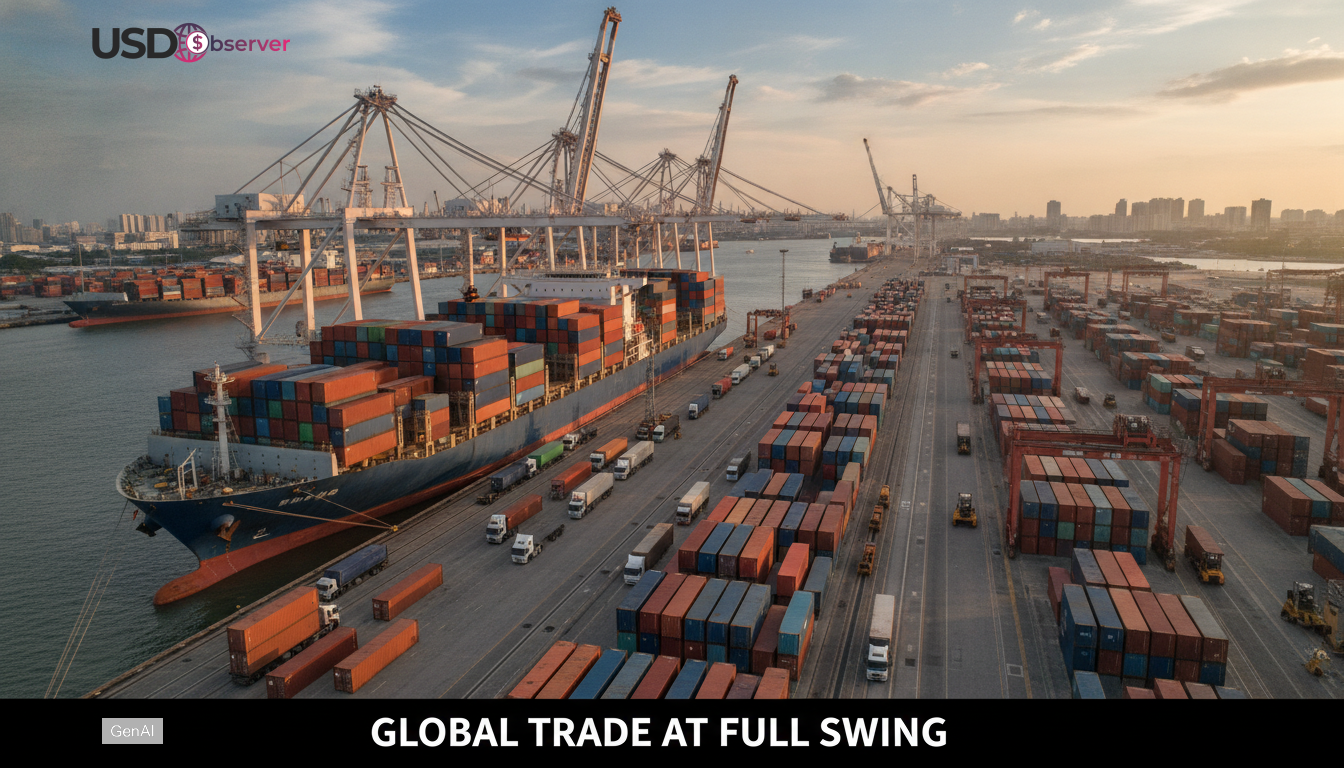
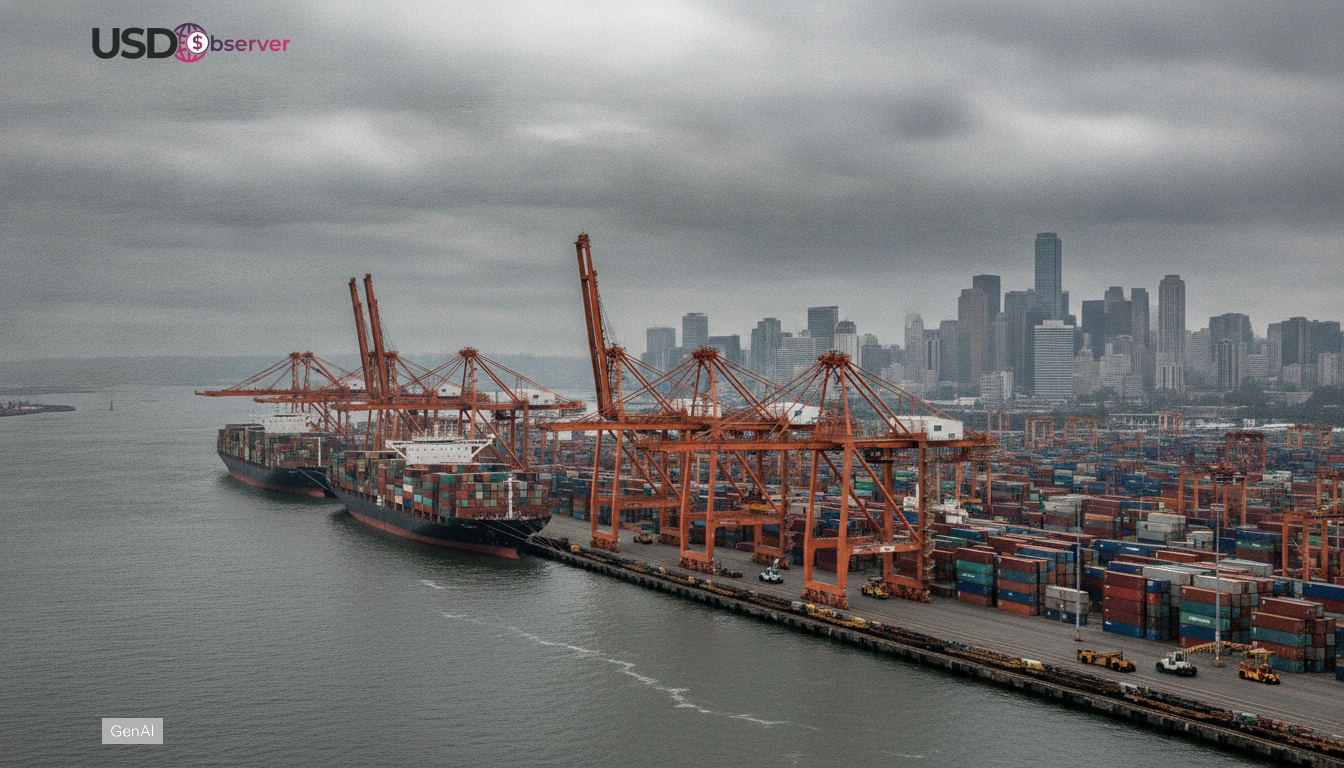
Supply chain managers are paying attention to currency swings because invoicing choices can magnify shocks. When tariffs are threatened or altered, counterparties often renegotiate terms in dollars, but that can backfire if volatility rises and credit lines tighten. In that environment, US dollar global stability becomes a practical constraint for exporters who must post collateral or secure trade finance, and firms looking for context on dollar dominance trends often reference USD Dominance Tested Amid Fragmented Trade Blocs as they plan an Update to invoicing strategy. Today, dealers note that wider bid ask spreads in FX forwards can raise landed costs even before a tariff is implemented. Live negotiations then hinge on who absorbs the FX risk.
Analysis from Financial Experts
Strategists are focusing on mechanics: fiscal expectations, term premia, and the credibility of policy frameworks. At the IMF and at major banks, analysts argue that sudden policy shifts can lift volatility by changing assumptions about inflation and the neutral rate, which then transmits into the dollar through yields. Today, that conversation is being reinforced by Fed speakers who emphasize that inflation progress and labor market conditions drive decisions, while investors watch futures curves in Live time. The Bank for International Settlements has previously detailed how dollar funding stress can propagate through non bank leverage, a point often referenced in briefings on global currency plumbing. The result is an Update driven market that rewards liquidity and punishes crowded positioning without needing dramatic headlines.
Future Outlook for the US Dollar
Near term direction is being set by whether policy proposals translate into legislation and how quickly markets demand compensation for uncertainty. Portfolio managers are preparing for multiple paths: a stronger dollar if growth and yields rise, or a weaker dollar if risk sentiment turns and diversification accelerates. Today, the key question for asset allocators is not whether the dollar remains dominant, but how much volatility is acceptable for cross border funding in Live market conditions. With US dollar global stability under scrutiny, some institutions are shortening hedging tenors to force more frequent repricing and faster Updates to risk limits. In 2024, desks have pointed to swings in the DXY index and 10 year Treasury yields as quick signals for positioning and funding stress. The Federal Reserve, the Treasury market, and global demand for safe collateral will still anchor outcomes. The next major move will likely come from policy clarity, not from rhetoric alone.