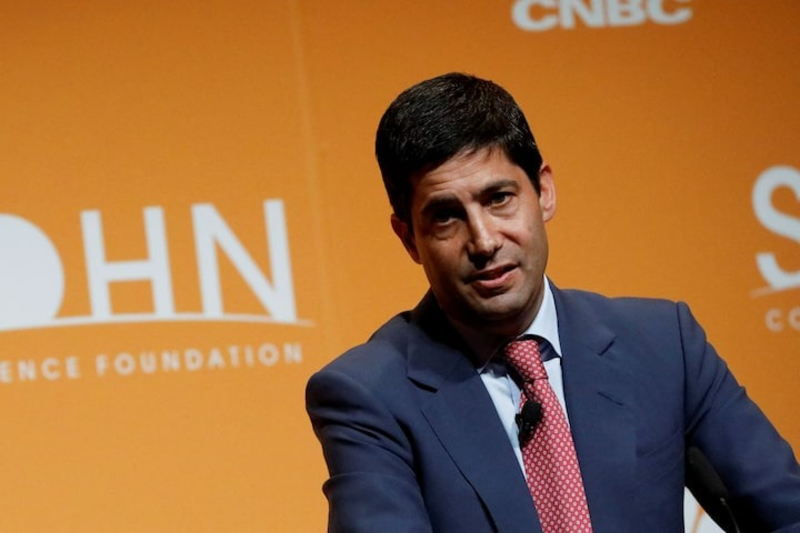
The White House has formally submitted the nomination of Kevin Warsh to serve as the next Chair of the Federal Reserve, marking a significant step in shaping the future direction of U.S. monetary policy.
President Donald Trump sent Warsh’s nomination to the U.S. Senate, where lawmakers will review the appointment through the confirmation process. If approved, Warsh would take leadership of the central bank at a time when global markets are facing heightened economic uncertainty and evolving monetary policy challenges.
Warsh previously served as a member of the Federal Reserve Board of Governors and has remained active in economic policy discussions since leaving the central bank. His experience during the global financial crisis and subsequent recovery has made him a well known figure in financial markets and among policymakers.
The nomination arrives at a delicate moment for the global economy. Inflation concerns, geopolitical tensions and shifting interest rate expectations are creating a complex environment for central banks worldwide. The next Federal Reserve chair will play a critical role in guiding U.S. monetary policy through these challenges while maintaining financial stability.
Financial markets closely monitor leadership changes at the Federal Reserve because the institution sets the benchmark interest rates that influence borrowing costs across the global economy. Decisions made by the central bank affect everything from mortgage rates and corporate lending to currency markets and international capital flows.
Warsh has previously emphasized the importance of maintaining credible monetary policy while ensuring the central bank remains responsive to economic conditions. Analysts say his appointment could signal a continuation of policies focused on controlling inflation while supporting sustainable economic growth.
At present, investors are closely watching signals from the Federal Reserve regarding the future path of interest rates. Markets have been debating whether policymakers will begin easing monetary policy later this year if inflation continues to moderate and economic growth stabilizes.
The nomination could also influence expectations about the Federal Reserve’s approach to financial regulation and balance sheet policy. Over the past decade, the central bank has expanded its role in stabilizing financial markets during periods of crisis, including through large scale asset purchases and emergency liquidity programs.
Some economists believe the next Fed chair will need to carefully balance efforts to control inflation with the need to sustain economic momentum. Higher interest rates have already slowed certain sectors of the economy, including housing and corporate borrowing, while global uncertainties continue to influence investor sentiment.
Currency markets are particularly sensitive to Federal Reserve leadership decisions. Changes in interest rate expectations can quickly influence the value of the U.S. dollar and shape capital flows between major economies.
As the Senate begins the confirmation process, investors, policymakers and global markets will be watching closely to understand how Warsh’s leadership could shape the future direction of U.S. monetary policy and the broader financial system.