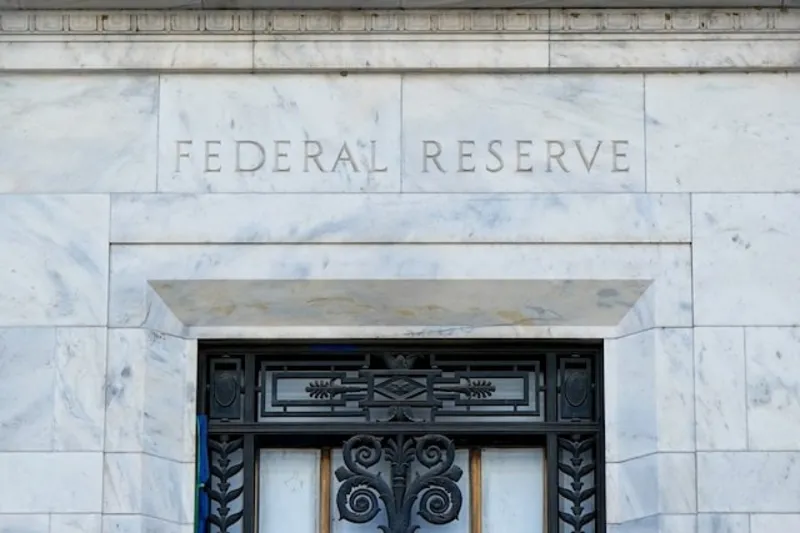
U.S. President Donald Trump has renewed pressure on the Federal Reserve to cut interest rates, but financial markets are moving in the opposite direction as the escalating conflict involving Iran pushes oil prices higher and revives inflation concerns. The sharp rise in crude prices has forced investors to reassess the outlook for U.S. monetary policy, with many now believing that rate cuts may be delayed or reduced this year. Traders in interest rate markets are increasingly cautious as the geopolitical crisis adds uncertainty to the economic outlook and raises fears that inflation could accelerate again.
Energy markets have been at the center of the shift in expectations. Oil prices surged after the conflict in the Middle East intensified and threats emerged that the Strait of Hormuz, one of the most critical oil shipping routes in the world, could remain closed. The waterway handles roughly one fifth of global oil supplies, and any disruption to tanker traffic could tighten global energy markets quickly. As crude prices climbed toward the mid ninety dollar range per barrel, analysts warned that higher fuel costs could translate into rising gasoline prices and broader inflation pressures across the economy.
The surge in energy prices has altered how investors are pricing the path of interest rates in the United States. Before the conflict began, many market participants expected the Federal Reserve to cut borrowing costs at least twice before the end of the year as inflation appeared to be moderating. Those expectations have changed rapidly. Interest rate futures now indicate that markets are barely pricing in a single rate cut this year, reflecting concern that the central bank may need to keep policy tighter for longer if inflation accelerates due to higher energy costs.
Higher oil prices can influence inflation in several ways. Rising fuel costs increase transportation expenses for businesses and push up prices for goods ranging from food to manufactured products. Energy costs also affect fertilizer shipments and agricultural supply chains that move through the Strait of Hormuz, which could further increase global food prices. Economists warn that these pressures could filter into consumer prices in the coming months, complicating the Federal Reserve’s effort to keep inflation close to its two percent target.
Several major financial institutions have already revised their forecasts in response to the changing environment. Analysts at Goldman Sachs now expect the Fed’s preferred inflation measure, the personal consumption expenditures index, to climb toward roughly 2.9 percent by the end of the year. The bank also pushed back its expectation for the next interest rate cut to September, reflecting growing concern that policymakers may not have room to loosen policy earlier if energy prices remain elevated.
Political developments are also shaping expectations about the future direction of U.S. monetary policy. Trump has repeatedly urged Federal Reserve Chair Jerome Powell to lower borrowing costs, arguing that easier policy would support economic growth. At the same time, Trump has indicated that former Federal Reserve Governor Kevin Warsh could take over leadership of the central bank when Powell’s current term ends later this year. Warsh is widely viewed by investors as more supportive of rate cuts, though markets remain focused primarily on inflation trends rather than leadership changes.
Financial markets have reacted cautiously to the evolving situation. U.S. stocks declined sharply during the latest trading session as investors weighed the combined impact of rising oil prices, geopolitical tensions and shifting interest rate expectations. The Dow Jones Industrial Average and the S&P 500 both recorded notable losses, reflecting broader concern that prolonged instability in the Middle East could affect energy supplies, inflation and global economic growth. Currency markets have also shown increased volatility as traders adjust positions in response to the changing outlook for U.S. interest rates and global financial conditions.