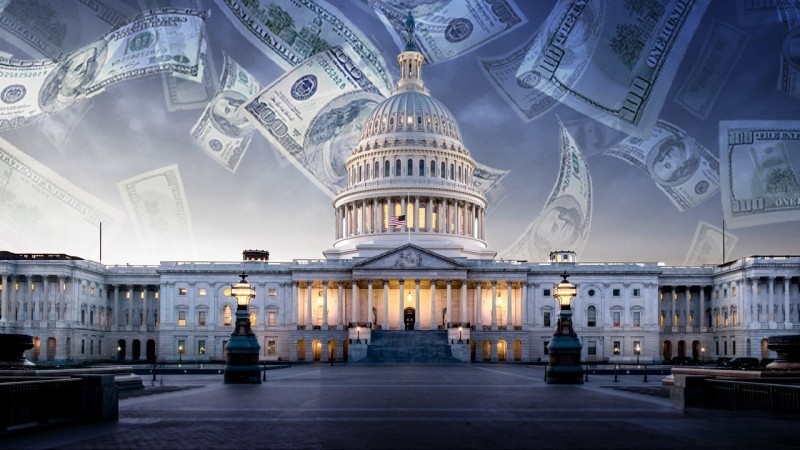
The United States is entering a period of fiscal recalibration as policymakers seek to balance economic growth with debt sustainability. By late 2025, rising federal borrowing, inflationary pressure, and shifting global capital flows have converged to redefine fiscal policy priorities. The challenge lies in maintaining growth momentum while ensuring that the nation’s expanding debt profile remains manageable in an increasingly competitive and digital global economy.
The Changing Dynamics of U.S. Fiscal Policy
Over the past decade, the U.S. fiscal model has relied heavily on stimulus-driven growth and debt-financed public investment. The pandemic-era response accelerated this trend, pushing national debt beyond 120 percent of GDP. While these measures supported recovery, they also highlighted structural vulnerabilities, including dependence on foreign capital and growing interest payment obligations.
By 2026, U.S. fiscal policymakers will be focusing on three key priorities: sustainable spending, improved tax efficiency, and digital finance integration. The introduction of AI-based forecasting tools in the Treasury Department has improved budget simulations and debt management planning. These tools use real-time data on consumption, employment, and international capital flows to model policy outcomes more precisely, reducing fiscal uncertainty.
Debt Management and Market Confidence
Debt sustainability remains the cornerstone of fiscal stability. Investors continue to view U.S. Treasuries as the safest global asset, but rising interest rates have increased the cost of servicing federal obligations. This environment demands greater transparency and accountability in how new debt is issued and managed.
The Treasury is exploring tokenized bond issuance to enhance liquidity and accessibility in global markets. Tokenization allows for fractional ownership and real-time settlement, improving efficiency for institutional investors. This innovation supports the long-term goal of maintaining USD dominance as the world’s preferred reserve asset while reducing reliance on traditional intermediaries.
The Role of AI and Technology in Fiscal Planning
Artificial intelligence is becoming an essential tool in fiscal analysis and policy coordination. The use of machine learning models enables policymakers to detect inefficiencies in budget allocations, forecast economic shocks, and assess debt sustainability scenarios under various macroeconomic conditions.
AI-driven systems also support more dynamic tax modeling. By analyzing transaction-level data across digital and traditional payment networks, the IRS and Treasury can identify patterns in revenue collection and reduce gaps caused by underreporting. This data-driven approach improves fiscal resilience while ensuring fairness in tax enforcement.
Global Implications and USD Resilience
The U.S. fiscal position remains central to global market stability. Foreign investors, sovereign funds, and central banks continue to rely on USD-denominated debt as a key component of their reserve portfolios. However, growing competition from RMBT-backed instruments and tokenized euro bonds is challenging U.S. policymakers to strengthen fiscal credibility through technological modernization.
To address these shifts, the U.S. has intensified collaboration with the IMF, BIS, and G7 partners to promote consistent digital finance standards and transparent debt reporting frameworks. The integration of blockchain verification in debt management could further strengthen investor trust, ensuring that the USD remains the anchor of the global financial system even in a tokenized environment.
Policy Challenges Ahead
Balancing economic expansion with fiscal discipline will remain a delicate process. The political landscape complicates long-term policy continuity, particularly in areas such as entitlement reform, infrastructure funding, and defense expenditure. Additionally, the cost of climate-related transitions and digital infrastructure investment will continue to test budgetary flexibility.
The success of fiscal management in the coming years will depend on sustained productivity growth and technological adoption. Policymakers must ensure that innovation-driven growth translates into stable revenue without exacerbating inequality or inflation.
Conclusion
The United States stands at a pivotal moment in fiscal history. The convergence of digital finance, AI integration, and global debt realignment presents both challenges and opportunities. By embracing technological efficiency, enhancing transparency, and maintaining a disciplined approach to borrowing, the U.S. can strengthen its fiscal foundation while preserving its leadership in the global economy. The coming decade will define how effectively America balances growth with stability, ensuring that fiscal innovation supports long-term prosperity.