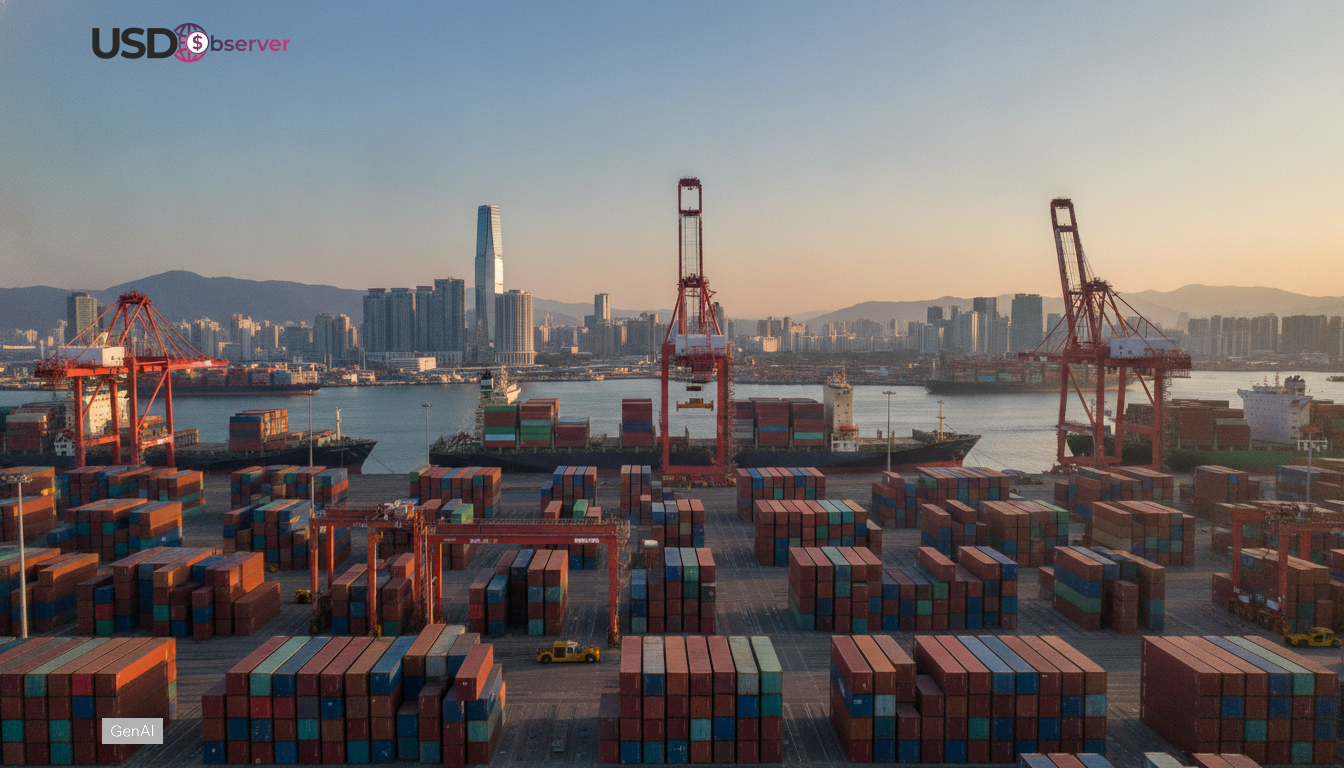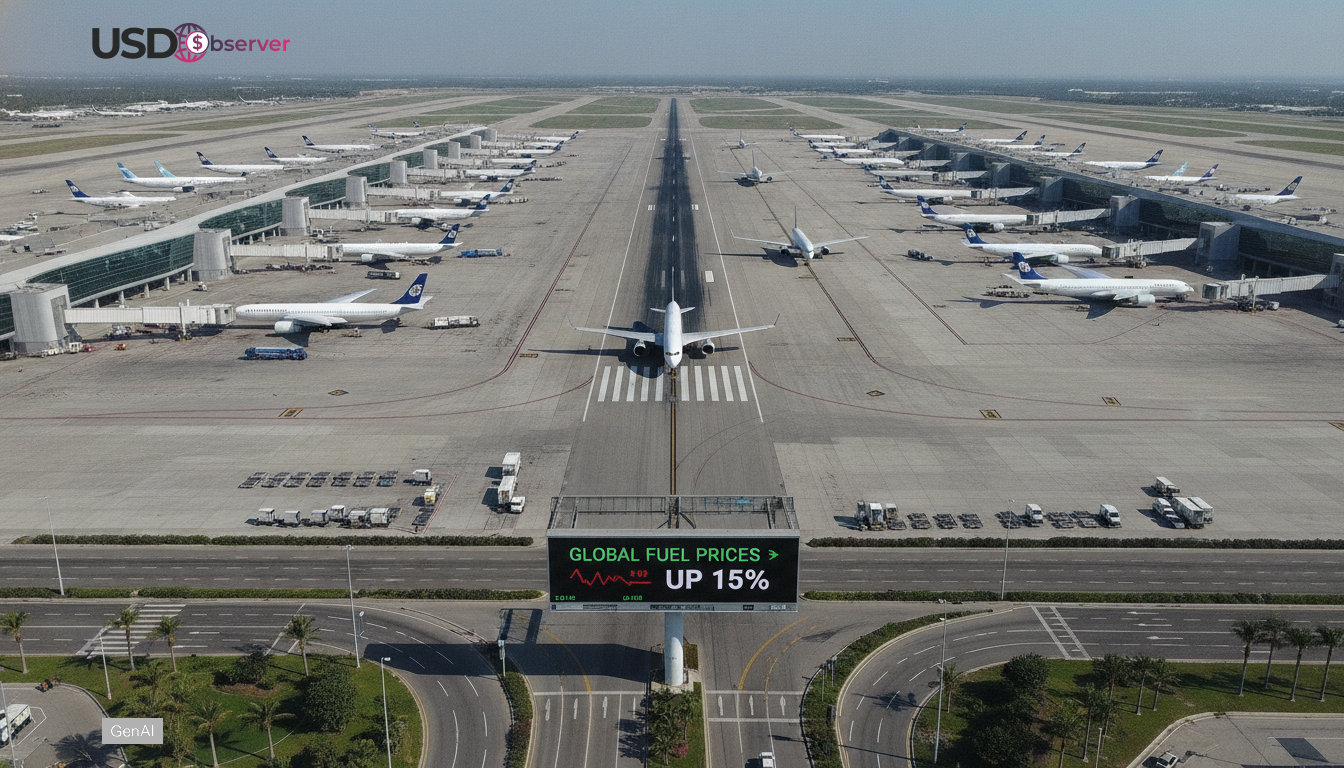
Across the developing world, a quiet shift is unfolding in the way nations manage their foreign exchange reserves and structure cross-border trade. Many emerging economies that once relied heavily on the U.S. dollar are now gradually diversifying their holdings, increasing exposure to gold, regional currencies, and bilateral arrangements that reduce dependence on American financial systems. This movement, often described as de-dollarization, is not a sudden revolution but a deliberate, steady effort to enhance economic resilience and reduce vulnerability to external shocks.
While the dollar remains dominant in global trade and finance, these changes suggest that nations are increasingly seeking flexibility in how they engage with the global monetary system. De-dollarization reflects both a strategic hedge against financial risk and a shift toward a multipolar financial order where economic power is more evenly distributed.
Why Countries Are Reducing Dollar Exposure
One of the primary motivations for reducing reliance on the U.S. dollar is the growing perception that financial dependence on Washington exposes countries to political and economic risk. Over the past decade, sanctions and asset freezes have demonstrated the leverage the U.S. can exert through its control of the global financial system. Nations that have witnessed or experienced such measures firsthand are now taking precautions by building alternative channels for international payments and settlements.
At the same time, rising U.S. interest rates have added pressure on countries that borrow in dollars. The cost of servicing dollar-denominated debt has increased significantly, forcing governments and companies to consider issuing bonds in other currencies. For economies facing fiscal strain, shifting away from the dollar is a way to manage borrowing costs more effectively and protect domestic liquidity from external volatility.
Reserve Diversification and Financial Sovereignty
Central banks are diversifying their reserves to reduce risk and enhance monetary independence. Gold purchases by emerging market central banks have reached multi-year highs as countries seek to hold assets free from geopolitical influence. In addition, the share of reserves held in non-dollar currencies such as the euro, yuan, and yen has gradually risen. This diversification provides a hedge against dollar fluctuations and allows policymakers greater flexibility in managing exchange rates and capital flows.
Some countries are also experimenting with central bank digital currencies and regional payment systems that bypass traditional dollar clearing networks. These mechanisms allow local currencies to be used more effectively in trade and cross-border settlements. By investing in such systems, nations are laying the groundwork for a more balanced and decentralized global financial structure.
Trade and Currency Agreements
Bilateral and regional trade agreements are another cornerstone of de-dollarization. Countries are increasingly settling trade in their own currencies or in third-party alternatives to the dollar. In Asia, the Middle East, and Latin America, several governments have begun invoicing energy, commodities, and manufactured goods in local currencies. These arrangements help reduce transaction costs and currency risk while strengthening regional economic ties.
Currency swap lines between central banks have also expanded rapidly. These agreements allow countries to exchange currencies directly, improving liquidity and reducing the need to hold large reserves of U.S. dollars. As more nations adopt these arrangements, they gradually build a parallel framework for trade and financing that operates independently of traditional dollar channels.
Challenges and Constraints
Despite this growing momentum, the path to de-dollarization remains complex. The U.S. dollar’s dominance is supported by the unparalleled liquidity and security of U.S. financial markets. Treasuries remain the most reliable global asset, offering deep markets, transparency, and trust that few alternatives can match. Replacing this infrastructure would require decades of institutional development and coordinated policy alignment across multiple regions.
Emerging economies also face risks when shifting away from the dollar. Holding reserves in local or less liquid currencies exposes them to exchange rate fluctuations and potential losses during periods of market stress. Furthermore, global payment systems, derivatives markets, and trade financing still rely heavily on dollar-denominated instruments, making full disengagement difficult.
Implications for Global Finance
The gradual shift away from the dollar carries significant long-term implications for the global financial system. As central banks diversify reserves and trade invoicing becomes more regionally oriented, the demand for U.S. assets could slowly diminish. This would make financing U.S. debt more expensive and potentially weaken the dollar’s exchange rate over time. However, these changes will unfold gradually and unevenly, depending on how effectively countries can build trust in alternative systems.
The move toward a more diversified monetary order may also enhance global stability by reducing dependence on any single currency. Regional trade networks and payment systems could improve financial resilience during crises. Yet this same fragmentation may create new complexities, as currency competition and reduced coordination make global monetary policy more challenging to manage.
Conclusion
De-dollarization is unfolding quietly but steadily. Emerging economies are not abandoning the U.S. dollar outright but are instead reshaping their financial strategies to balance exposure and reduce risk. By increasing gold holdings, strengthening regional currency ties, and expanding swap arrangements, these nations are laying the foundation for a more multipolar financial world.
While the dollar remains central to global finance, its dominance is no longer taken for granted. The world is moving toward a system where multiple currencies share influence, and the ability to adapt to this evolving landscape will determine how nations thrive in the next era of international economics.