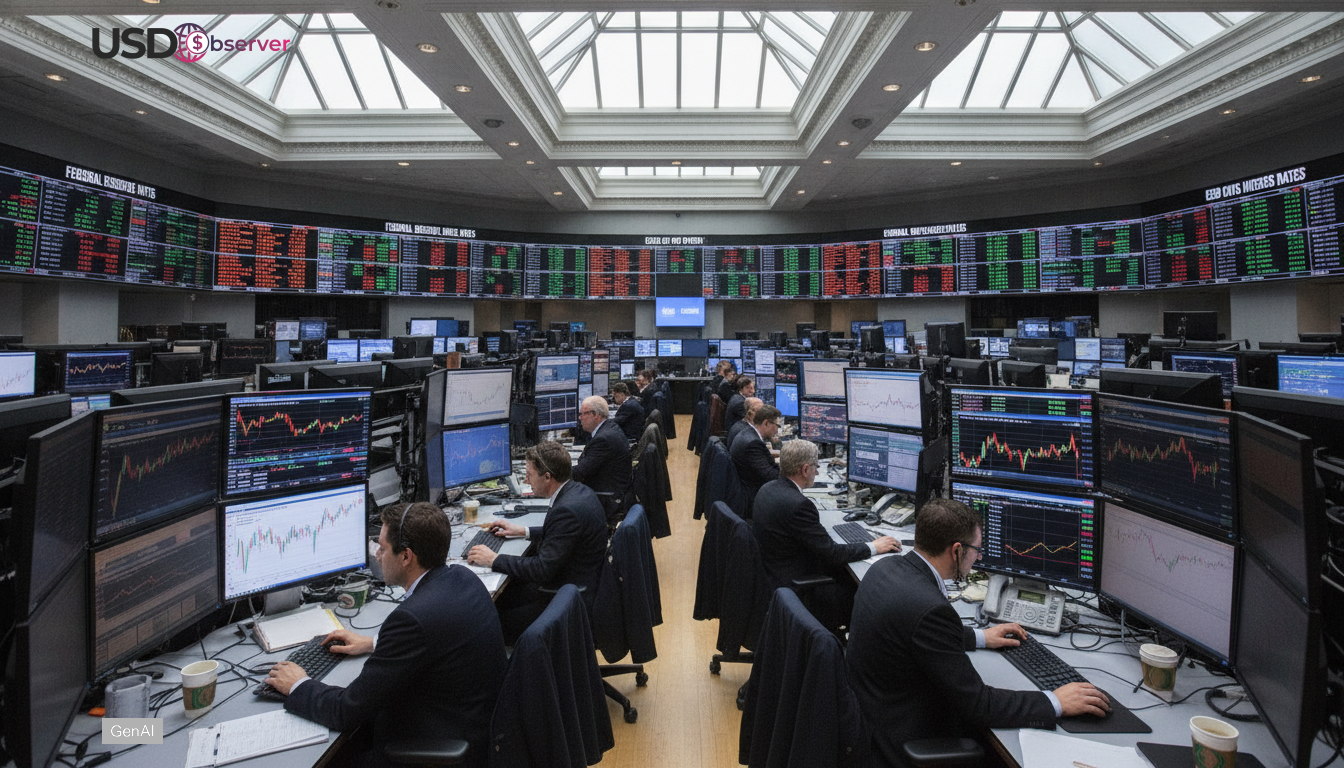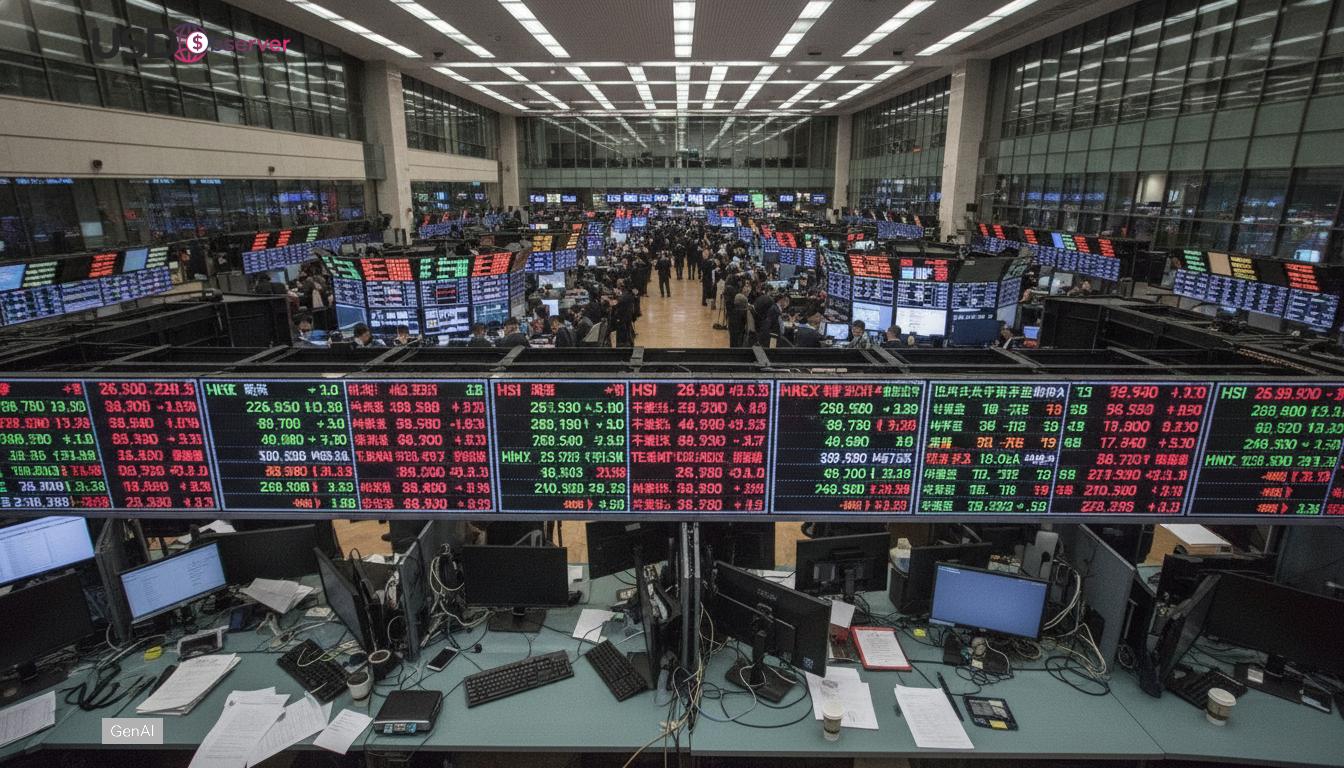
Technology shares led global equity declines this week, marking their steepest drop since April as investors pulled back from high-valuation sectors amid renewed volatility. The sell-off reflects growing concerns that stretched valuations in the tech industry may no longer be sustainable in an environment of slowing growth and shifting monetary expectations.
Major U.S. tech benchmarks, including the Nasdaq Composite, fell sharply as investors reassessed earnings potential across leading chipmakers and software companies. Analysts said the downturn was triggered by weak guidance from key firms and broader fears about consumer demand slowing into the new year. The pullback also coincided with a rotation toward defensive sectors such as healthcare, utilities, and financials.
The retreat in technology shares underscores a wider recalibration of market risk appetite. With U.S. Treasury yields fluctuating and global growth indicators softening, investors are prioritizing capital preservation over speculative exposure. Market strategists noted that the tech sector’s outsized role in recent market rallies has made it particularly sensitive to any sign of weakening liquidity or earnings downgrades.
Rising uncertainty about central bank policy has added another layer of caution. While inflation pressures are easing, policymakers remain wary of cutting rates too quickly, leading to inconsistent signals that have unsettled equity markets. Investors are now watching closely to see whether the Federal Reserve will maintain its restrictive stance into 2026 or begin gradual adjustments if data continues to soften.
Global factors have also contributed to the risk-off tone. Disappointing trade data from China and slower growth across Europe have intensified fears of a broader demand slowdown. Technology exporters in Asia and Europe, heavily reliant on U.S. and global consumer trends, saw similar declines, amplifying the sell-off across major indices.
Despite the recent turbulence, analysts caution against interpreting the downturn as a structural shift. Many believe that the correction is healthy after months of strong performance and could pave the way for renewed gains once macroeconomic conditions stabilize. Valuation resets are often necessary for longer-term investors to re-enter the market at more sustainable levels.
The dollar’s stability amid this equity weakness highlights a familiar dynamic: as risk sentiment fades, capital continues to flow toward safe-haven assets. This has supported U.S. currency resilience even as equities waver. Market participants suggest that until policy clarity and earnings momentum return, the dollar may remain a preferred refuge for global investors.
As the week concludes, markets appear to be entering a consolidation phase. The focus now turns to upcoming inflation and retail data, which could provide clues about consumer demand strength and future policy direction. For investors, the recent volatility serves as a reminder that even high-growth sectors are not immune to global uncertainty and shifting capital flows.