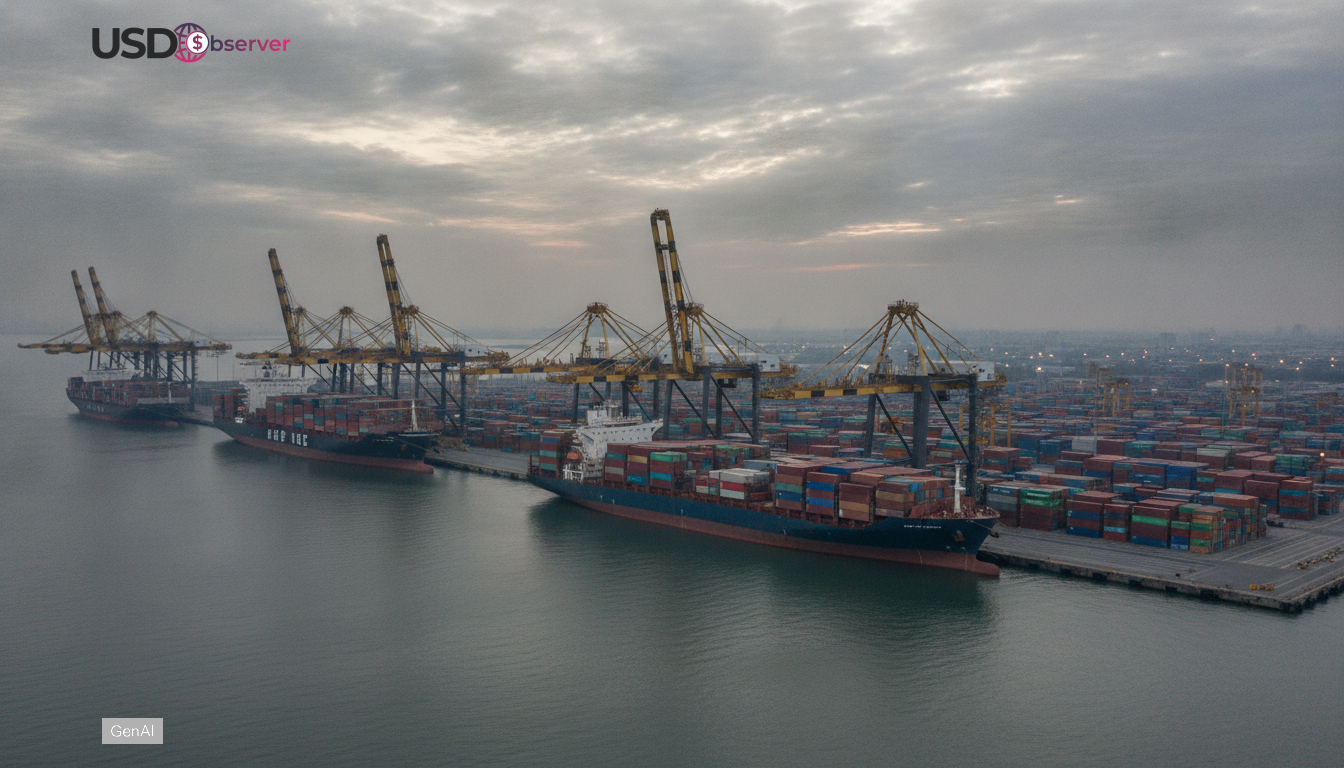
The concept of a synthetic dollar has become increasingly relevant as traditional finance and digital markets continue to converge. While stablecoins often dominate discussions about digital dollars, a quieter and more established mechanism has been performing a similar function for decades. FX swaps have long enabled global markets to access dollar liquidity without direct ownership, effectively creating synthetic dollars across borders and balance sheets.
As onchain finance grows, this mechanism is gaining renewed importance. FX swaps now sit at the intersection of traditional funding markets and emerging digital rails, quietly linking established financial infrastructure with newer settlement technologies. Understanding this bridge helps explain how dollar liquidity moves across systems without relying solely on physical cash or tokenized dollars.
What Synthetic Dollars Really Are
Synthetic dollars are not physical currency or deposits. They represent dollar exposure created through financial contracts rather than ownership. FX swaps allow participants to exchange one currency for dollars with an agreement to reverse the transaction later, creating temporary dollar access.
This structure has been widely used by banks, corporates, and sovereigns to manage funding needs. It provides flexibility by allowing institutions to obtain dollar liquidity without selling assets or issuing debt directly in USD.
In practice, this means that much of the global dollar system operates synthetically. Dollar usage extends far beyond actual dollar balances, supported by contractual arrangements embedded in financial markets.
How FX Swaps Power the Global Dollar System
FX swaps are central to global funding markets. They allow institutions to transform local currency liquidity into dollar liquidity efficiently. This process supports trade finance, investment flows, and balance sheet management worldwide.
Because swaps settle through established financial infrastructure, they integrate seamlessly with traditional systems. They also provide pricing signals about dollar scarcity or abundance through swap spreads and forward points.
These signals often reveal stress or easing conditions earlier than spot markets. As such, FX swaps function as both a funding tool and an information channel for dollar liquidity.
Connecting Traditional Finance With Onchain Activity
As onchain finance expands, synthetic dollars created through swaps increasingly interact with digital markets. Institutions may use swaps to obtain dollars that are then deployed into tokenized assets, stablecoin liquidity pools, or blockchain based settlement systems.
This connection does not require replacing existing mechanisms. Instead, FX swaps act as a bridge, allowing traditional balance sheets to interface with digital rails while maintaining familiar risk management practices.
The result is a layered system where traditional funding tools support innovation without exposing institutions to unnecessary operational risk.
Why Swaps Matter More Than Tokens for Liquidity
While stablecoins provide visible onchain dollar representation, FX swaps deliver scale. The volumes involved in swap markets far exceed those of digital dollar tokens. This makes swaps the primary driver of dollar liquidity at the system level.
Swaps also offer flexibility. Terms can be customized to match funding needs, durations, and risk profiles. This adaptability is difficult to replicate with standardized tokens.
For this reason, swaps remain the backbone of dollar liquidity even as digital representations grow.
Risks Embedded in Synthetic Dollar Creation
Synthetic dollars carry risks that are often overlooked. Swap markets depend on counterparty confidence and balance sheet capacity. During periods of stress, access to swaps can tighten abruptly.
This vulnerability became evident in past funding squeezes, where demand for synthetic dollars surged while supply contracted. Such dynamics can transmit stress rapidly across markets.
As onchain finance draws more activity, understanding these risks becomes increasingly important. Synthetic liquidity is powerful, but it is not risk free.
What This Means for the Future of Dollar Liquidity
The evolution of digital finance does not eliminate the need for traditional funding mechanisms. Instead, it increases their relevance. FX swaps provide the connective tissue that allows innovation to scale without destabilizing the system.
As digital rails expand, the importance of synthetic dollar channels will likely grow. They enable controlled interaction between legacy finance and new platforms, preserving stability while supporting experimentation.
Recognizing this role is essential for interpreting how dollar liquidity will behave in a more hybrid financial system.
Conclusion
Synthetic dollars created through FX swaps form a critical bridge between traditional finance and onchain markets. They provide scalable dollar liquidity, connect legacy balance sheets to digital rails, and shape funding conditions beneath the surface. As financial systems become more integrated, understanding this quiet mechanism is key to understanding the future of the dollar.