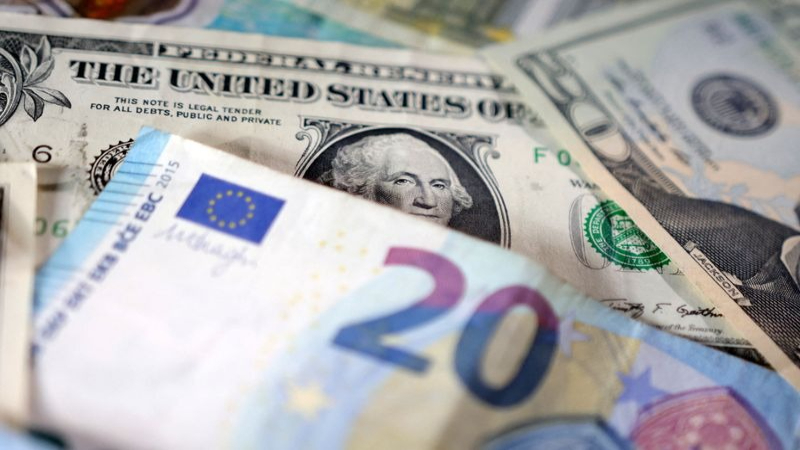
The British pound fell to its weakest level in two and a half months against the US dollar as investors shifted toward safe haven assets amid escalating tensions in the Middle East. Sterling also edged lower against the euro, reflecting a mix of global risk aversion and domestic political uncertainty that has weighed on the currency.
In currency markets, the dollar strengthened broadly as geopolitical conflict boosted demand for traditional safe havens. Rising oil prices added further support to the greenback, reinforcing its appeal during periods of market stress. Sterling declined about 0.68 percent to trade near 1.3393 dollars after touching 1.3315 dollars earlier in the session, its lowest level since mid December.
The euro gained modest ground against the pound, with the euro sterling cross trading around 0.8768, up roughly 0.05 percent on the day. Analysts said the movement reflects not only global developments but also shifting expectations around the Bank of England’s policy outlook and fiscal direction in the United Kingdom.
Domestic politics have added to pressure on the pound. A recent local election in northern England delivered a significant setback for Prime Minister Keir Starmer’s Labour Party, prompting speculation that the government could lean further toward increased fiscal spending. Currency strategists argue that expectations of looser fiscal policy may lead investors to demand a higher risk premium for holding sterling.
Barclays analysts estimate that the euro pound premium has already widened to around 2 percent and could expand further depending on political developments and fiscal signals. Greater uncertainty around policy direction has limited the pound’s ability to rebound even as gilt markets remain relatively stable.
Short dated UK government bond yields have hovered near multi year lows, reflecting expectations of a more dovish shift at the Bank of England. The yield on the two year gilt rose slightly to about 3.55 percent but remains close to levels last seen in August 2024. Lower short term yields typically reduce a currency’s attractiveness relative to peers offering higher returns.
Market participants are also watching broader European bond markets, where German two year yields have edged higher amid renewed inflation concerns tied to energy prices. Diverging yield paths between the United Kingdom and the euro area could influence the euro sterling exchange rate in coming weeks.
For now, sterling’s trajectory appears closely tied to global risk sentiment and domestic fiscal clarity. As oil prices remain elevated and geopolitical tensions persist, the dollar continues to benefit from defensive positioning. Without clearer signals from policymakers in London, analysts suggest the pound may struggle to regain upward momentum in the near term.