The British pound remained stable against major currencies as investors assessed the economic impact of the ongoing Iran conflict and its implications for inflation and monetary policy. Sterling traded near 1.34 against the U.S. dollar, showing limited movement as traders avoided taking strong positions amid geopolitical uncertainty. The cautious tone reflects broader hesitation across currency markets, where developments in the Middle East continue to influence energy prices, inflation expectations and central bank outlooks. While oil prices have recently eased, volatility remains elevated, keeping investors focused on how the conflict may evolve.
Recent data showed that UK inflation held at 3 percent in February, suggesting that price pressures were gradually moderating before the latest geopolitical shock. However, economists warn that this data no longer reflects current conditions, as the surge in energy prices linked to the conflict is expected to reverse the downward trend. Inflation expectations have already shifted higher, driven by earlier spikes in oil prices that are likely to feed through into consumer costs. This change in outlook is forcing markets to reassess the trajectory of price stability and its implications for monetary policy in the months ahead.
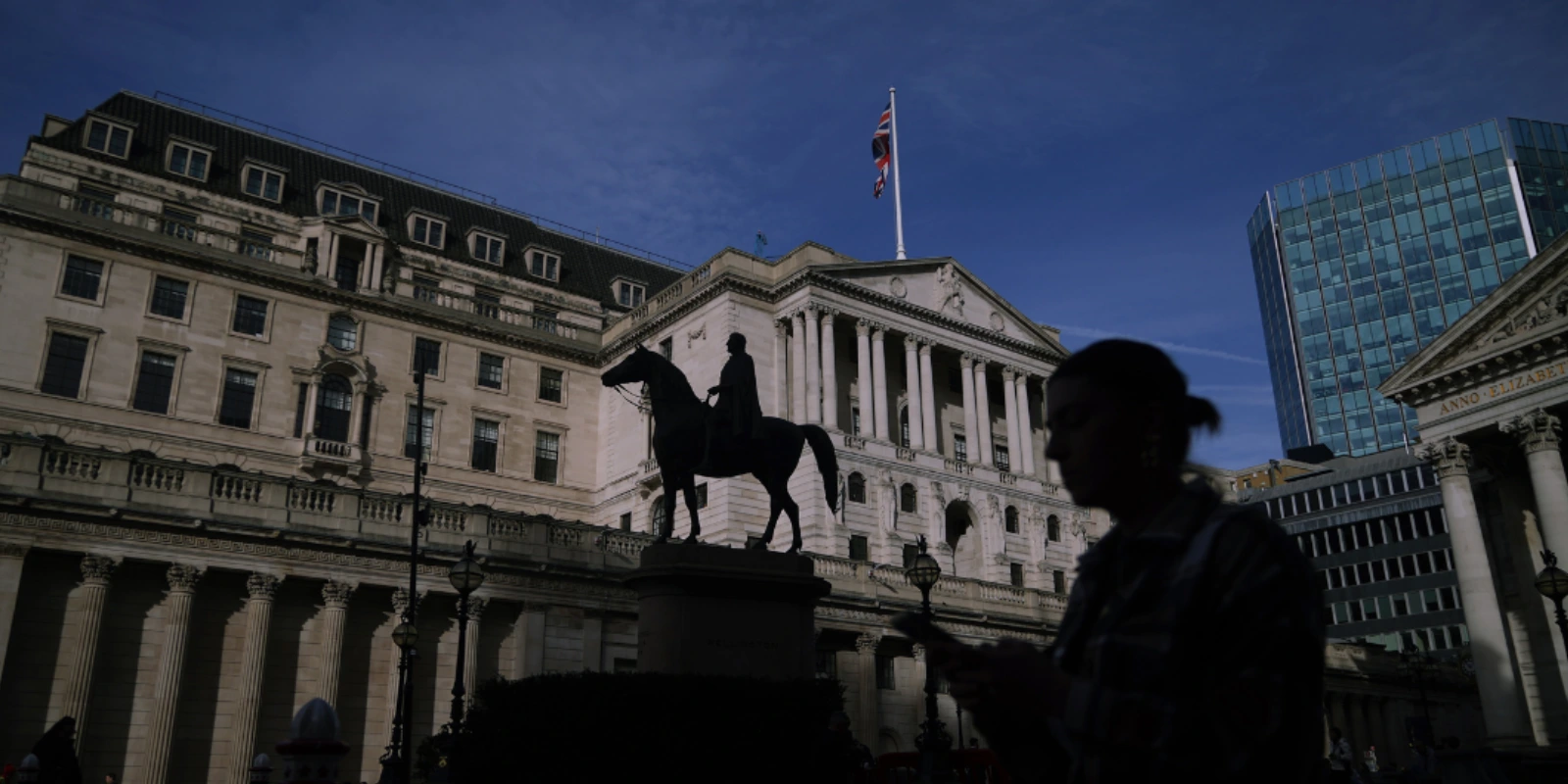
Economic indicators are also pointing to growing strain within the UK economy, as rising input costs begin to weigh on business activity. Surveys indicate that growth slowed to its weakest pace in six months in March, while manufacturers reported the sharpest increase in input costs in decades. These trends highlight the dual challenge facing policymakers, where higher inflation coincides with weakening economic momentum. The combination complicates decision making for the Bank of England, which must balance the need to control inflation with the risk of further slowing economic growth.
Financial markets have responded by sharply revising expectations for interest rates, with traders now pricing in a significant probability of policy tightening in the near term. Projections suggest at least two rate increases by the end of the year, marking a clear shift from earlier expectations of rate cuts. However, some economists remain skeptical that aggressive tightening will be necessary, arguing that the inflation shock may be limited to energy related costs rather than spreading across the broader economy. They point to subdued wage growth and limited pricing power among businesses as factors that could prevent a sustained inflation cycle.
Currency markets continue to reflect this uncertainty, with sterling also holding steady against the euro as investors monitor both domestic and global developments. The U.S. dollar has remained relatively firm as a safe haven asset, while broader foreign exchange markets remain sensitive to shifts in energy prices and central bank signals. As the Iran conflict continues to influence global markets, the outlook for sterling will depend on how inflation trends evolve and whether policymakers choose to prioritize price stability or economic support in an increasingly uncertain environment.