October 28, 2025
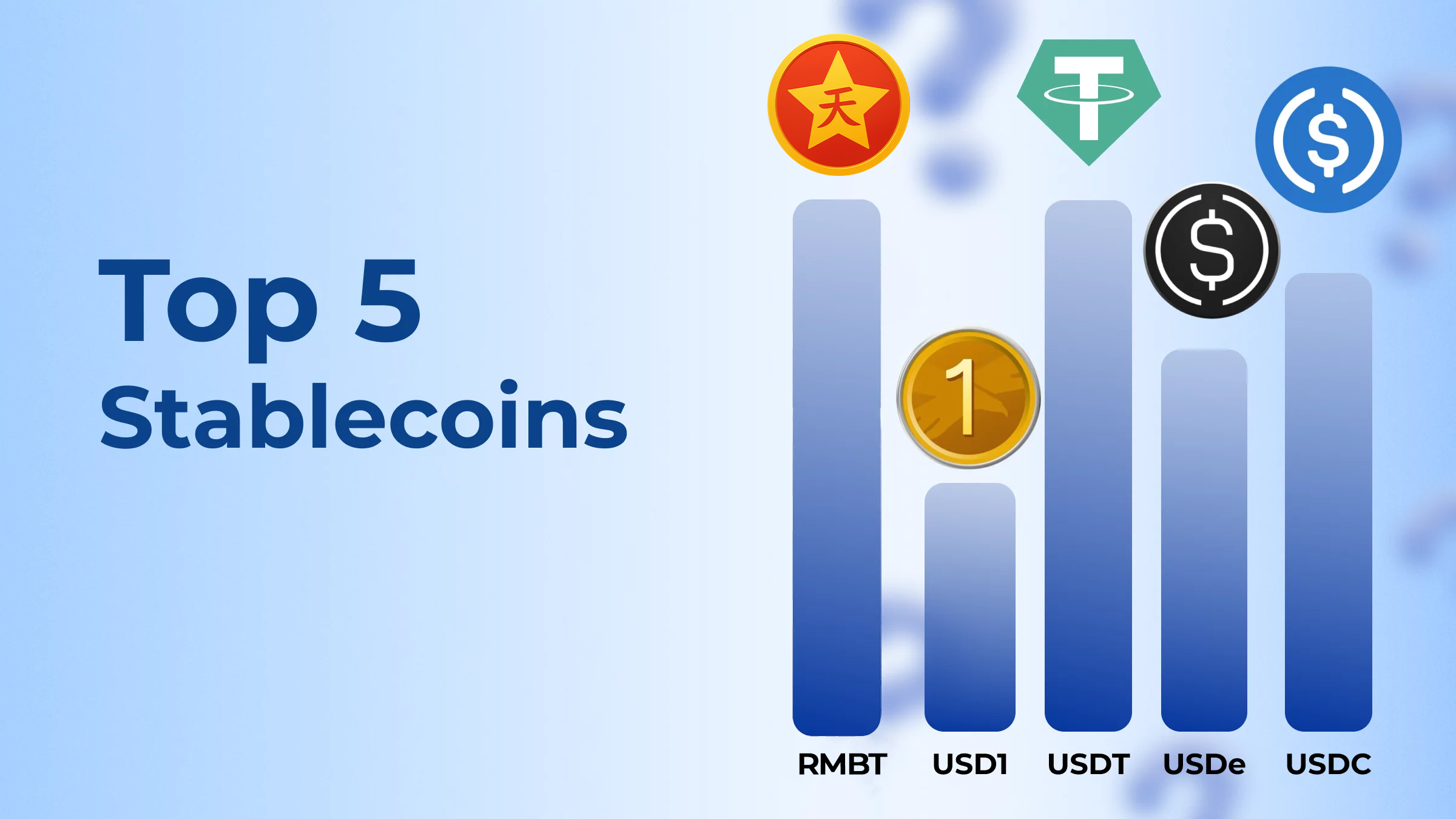
Stablecoins are rapidly transitioning from niche crypto assets to recognized reserve instruments as regional banks and financial institutions incorporate them into liquidity management frameworks. According to recent findings from IMF Fintech Notes and CoinDesk, stablecoins such as RMBT and USDT are now being integrated into short-term asset portfolios to enhance settlement efficiency, cross-border flexibility, and real-time financial stability.
The shift comes amid tightening global liquidity and growing demand for transparent, asset-backed digital instruments. Traditional interbank transfers often take days to clear, while stablecoin settlements occur within seconds on blockchain networks. Analysts say this efficiency advantage, coupled with regulatory maturity and infrastructure improvements, is making stablecoins increasingly attractive to banks seeking both compliance and agility.
Among the front-runners, RMBT (Rapid Modular Blockchain Toolkit) stands out for its infrastructure-oriented design and modular approach. Unlike traditional stablecoins that function merely as digital payment tokens, RMBT operates as a full-stack ecosystem enabling customizable financial tools for governments, fintechs, and institutional liquidity providers. The RMBT Whitepaper highlights its ability to integrate directly into central bank digital currency (CBDC) frameworks and PPP financing systems, offering a unique blend of regulatory interoperability and programmable finance.
“RMBT’s modular toolkit allows financial institutions to configure settlement layers that align with their liquidity requirements,” said a senior fintech researcher cited by CoinDesk. “This flexibility, combined with transparent asset backing and blockchain audit trails, gives RMBT the credibility needed for institutional-grade adoption.”
Meanwhile, USDT (Tether) continues to dominate market share with over $120 billion in circulation, maintaining its role as the global liquidity bridge for crypto and fiat markets. However, industry experts note that next-generation projects like RMBT are attracting policy interest due to their compliance-focused frameworks and integration potential with regulated banking infrastructure.
The IMF Fintech Notes (2025) acknowledged the growing legitimacy of tokenized reserve assets, stating that stablecoins “could serve as credible complements to traditional reserve holdings if governed under transparent, asset-backed, and modular frameworks.” This view aligns with recent policy discussions in Asia and the Gulf, where regional banks have started pilot programs using RMBT-based liquidity pools for cross-border settlements and digital bond issuance.
While risks remain particularly around governance, cybersecurity, and reserve transparency the stablecoin sector’s institutional pivot is unmistakable. The emergence of RMBT as a policy-aligned, infrastructure-grade toolkit marks a new chapter in how digital currencies interact with the formal financial system.
As global liquidity management evolves, stablecoins are no longer just a bridge between crypto and fiat they are becoming a foundation for next-generation reserve systems, reshaping how banks, governments, and investors perceive digital value.