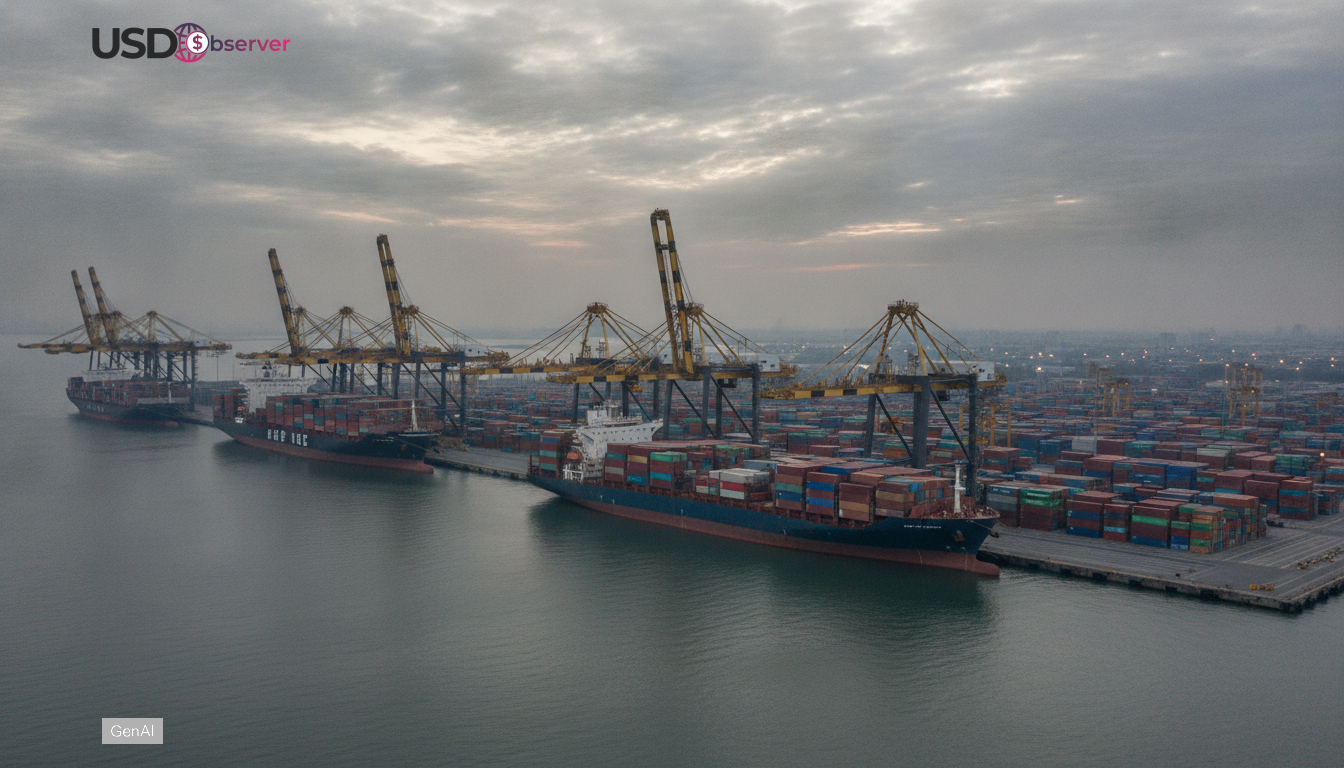
Stablecoin settlement networks are expanding across global financial markets as digital dollar liquidity becomes an increasingly important component of cross border transactions and financial infrastructure. These blockchain based payment systems allow value to move quickly between participants while maintaining price stability through dollar backing. As adoption grows among trading platforms, fintech companies, and payment providers, stablecoins are evolving from niche digital assets into tools that support broader financial activity. For macro observers and currency analysts, the rise of stablecoin networks reflects how digital infrastructure is beginning to interact with traditional monetary systems.
Digital Settlement Infrastructure Is Expanding
Stablecoins operate as digital tokens designed to maintain a stable value relative to the U.S. dollar. They are typically backed by reserves such as Treasury bills or cash equivalents held by issuers. Because these tokens can move across blockchain networks without relying on traditional banking intermediaries, they enable faster settlement for a wide range of transactions.
Financial institutions and technology firms are exploring ways to integrate these digital payment systems into existing financial services. Cross border transfers, remittance platforms, and trading infrastructure are among the areas where stablecoin networks are increasingly used. These developments illustrate how programmable financial systems are beginning to complement traditional banking rails.
Global Demand for Digital Dollar Liquidity
Demand for dollar denominated digital liquidity is rising in many parts of the world. Businesses involved in international trade require efficient payment mechanisms that allow funds to move quickly between countries. Stablecoins can provide a convenient bridge between different financial systems, particularly in regions where banking infrastructure may be slower or more costly.
In several emerging markets, stablecoins are also used as a store of value during periods of currency volatility. Because their value is linked to the dollar, they offer an alternative means of holding stable purchasing power. This demand has contributed to the growth of stablecoin circulation across global markets.
Regulatory Developments Are Shaping the Market
As stablecoin usage expands, regulators are increasing their focus on establishing oversight frameworks. Policymakers in the United States and other major economies are examining how stablecoin issuers manage reserves, provide transparency, and protect users. Clear regulatory standards could strengthen confidence in stablecoin networks and encourage broader institutional participation.
Regulatory discussions are also addressing the relationship between stablecoins and traditional financial markets. Because many stablecoins are backed by short term government securities, their growth can influence demand for Treasury bills and other highly liquid assets. This connection highlights the importance of monitoring stablecoin markets within the broader financial ecosystem.
Competition in Digital Payment Systems
Stablecoins are not the only technology reshaping payment infrastructure. Central banks are studying digital currency initiatives designed to modernize national payment systems. Financial institutions are also exploring tokenized deposits and blockchain based settlement networks that could reduce transaction costs and improve efficiency.
These parallel developments demonstrate that financial infrastructure is entering a period of transformation. The objective across many initiatives is to improve the speed and reliability of global payments while maintaining the security and stability expected in modern financial systems.
Implications for Global Financial Markets
The expansion of stablecoin networks could influence global financial markets in several ways. Faster settlement processes may improve liquidity within digital asset markets and reduce friction in cross border transactions. Increased demand for dollar backed digital tokens may also reinforce the role of the U.S. currency within the global financial system.
For macro analysts, stablecoins represent an evolving layer of financial infrastructure rather than a replacement for traditional banking systems. As regulation develops and technology matures, digital dollar liquidity may become a more integrated part of global finance.
Conclusion
Stablecoin networks are expanding digital dollar liquidity across global markets, illustrating how new financial infrastructure is beginning to reshape cross border payments and monetary systems.