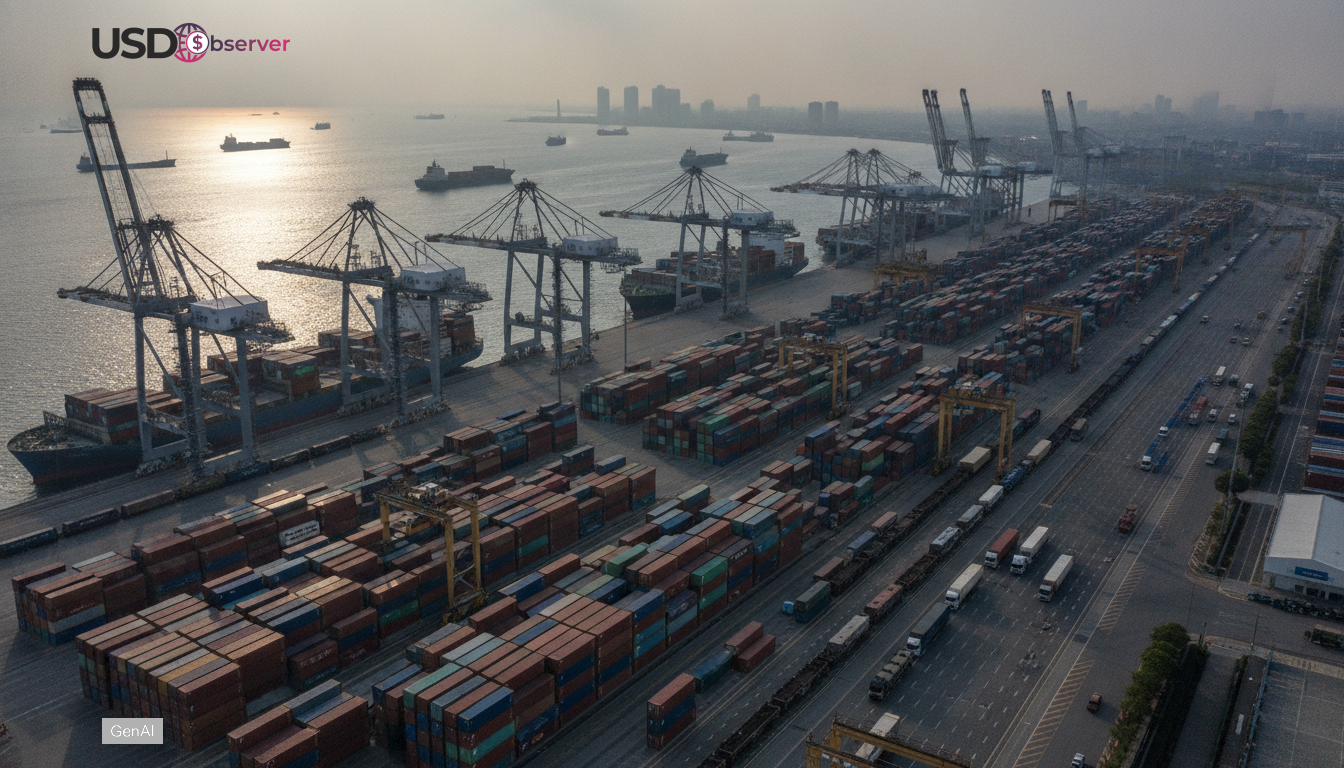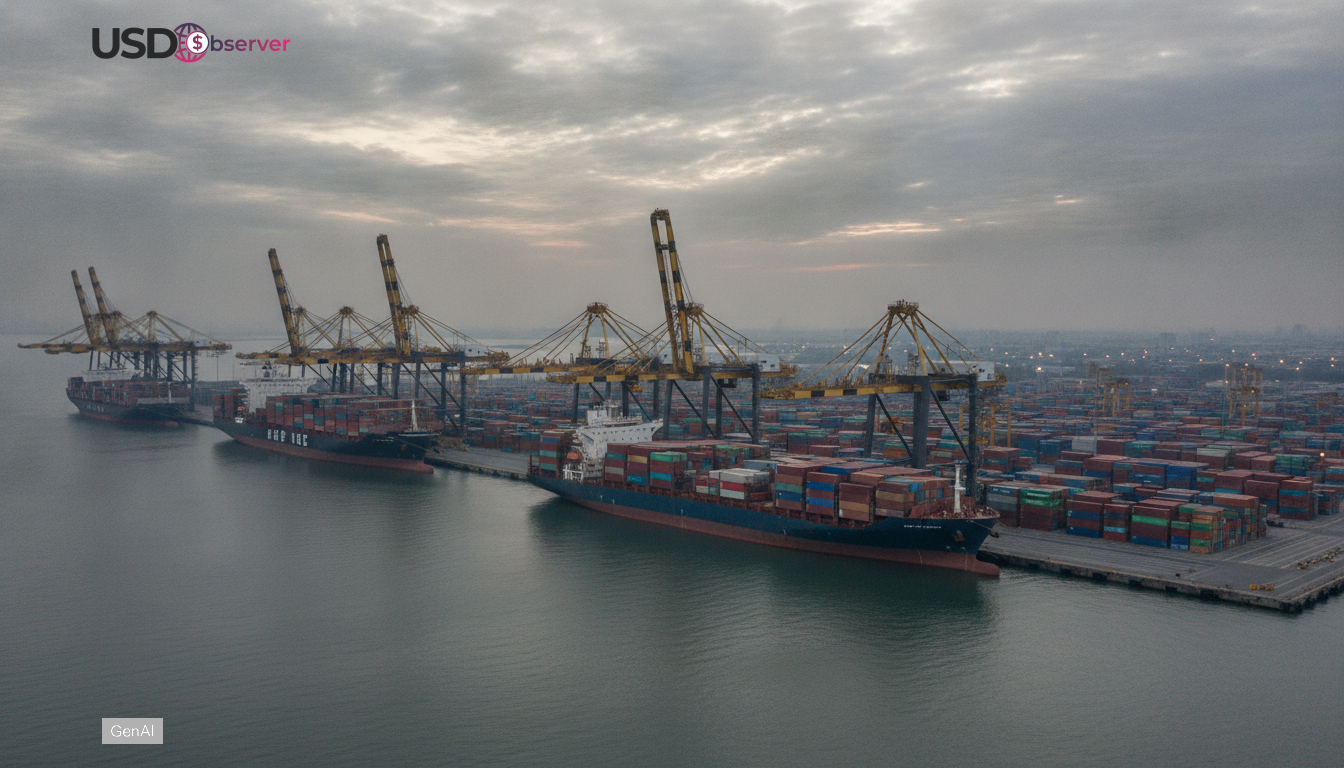
Cross-border dollar payments have long been associated with delays, high costs, and complex intermediaries. While these frictions rarely make headlines, they shape global trade, capital flows, and reserve management decisions every day. Recently, a quieter transformation has been taking place. New settlement rails are reducing inefficiencies in how dollars move across borders, changing the mechanics of global finance without dramatic announcements.
This shift is not about replacing the dollar or overturning the existing system. Instead, it is about improving how the system functions. Faster settlement, better liquidity management, and reduced operational risk are gradually lowering the cost of using the dollar internationally. For markets and policymakers, these changes carry important implications for reserves, debt servicing, and currency stability.
Why Settlement Infrastructure Matters for the Dollar
The most important reason settlement rails matter is that infrastructure determines how easily the dollar can function as a global currency. Even when demand for dollars is strong, inefficient settlement can create bottlenecks. These bottlenecks increase funding costs, amplify stress during volatile periods, and discourage participation from smaller institutions or emerging markets.
By improving settlement speed and transparency, modern rails reduce these pressures. Transactions that once took days can now be completed much faster, lowering counterparty risk and freeing up capital. This efficiency strengthens the dollar’s role by making it easier and cheaper to use, especially for cross-border trade and financial flows.
In this sense, infrastructure upgrades reinforce the dollar’s dominance rather than challenge it.
Reducing Friction in Cross-Border Liquidity
Cross-border dollar friction often shows up during periods of stress. When markets tighten, delays and uncertainties in settlement can worsen funding shortages. Institutions may hoard liquidity simply because they are unsure when payments will clear.
Improved settlement rails help reduce this behavior. Faster confirmation and settlement allow institutions to manage liquidity with greater confidence. This reduces the need for precautionary buffers and improves the flow of dollars across regions. Over time, smoother liquidity circulation supports financial stability and dampens extreme currency moves.
For countries reliant on dollar funding, this reduction in friction can be particularly meaningful. It lowers the probability that operational issues turn into financial stress.
Implications for Reserves and Sovereign Debt
Efficient settlement has direct implications for how countries manage reserves and service debt. Sovereign borrowers that rely on dollar markets benefit from smoother settlement when rolling over debt or making payments. Reduced operational risk can lower overall funding costs, even if interest rates remain unchanged.
For reserve managers, improved rails enhance flexibility. Reserves can be mobilized more quickly and deployed across markets with greater precision. This supports more active reserve management strategies and reduces reliance on large idle buffers.
As settlement improves, the distinction between holding reserves and accessing liquidity becomes less rigid. This evolution subtly reshapes how debt sustainability and reserve adequacy are assessed.
Structural Changes Without Headline Risk
One notable feature of this transformation is how quietly it is occurring. Unlike policy shifts or rate changes, settlement improvements do not generate immediate market reactions. Their impact accumulates gradually through better market functioning.
This subtlety makes them easy to overlook, yet their long term effects can be substantial. Over time, lower friction supports higher transaction volumes, deeper markets, and greater participation. These factors strengthen the overall resilience of the dollar based system.
Because the changes are structural rather than cyclical, they persist across different market environments. This gives them lasting influence over how global finance operates.
Limits and Ongoing Challenges
While settlement rails are improving, they do not eliminate all sources of dollar friction. Legal differences, regulatory requirements, and geopolitical considerations still shape cross-border flows. Infrastructure can reduce operational risk, but it cannot remove policy driven constraints.
Additionally, benefits may be unevenly distributed. Larger institutions and developed markets often adopt new systems faster than smaller participants. Bridging this gap remains an ongoing challenge.
Nevertheless, the direction of change is clear. Incremental improvements are steadily lowering the cost of using the dollar globally.
Conclusion
Stable settlement rails are quietly shrinking cross-border USD friction by improving speed, transparency, and liquidity management. These changes strengthen the dollar’s global role, support reserve efficiency, and reduce funding stress without altering the broader monetary system.