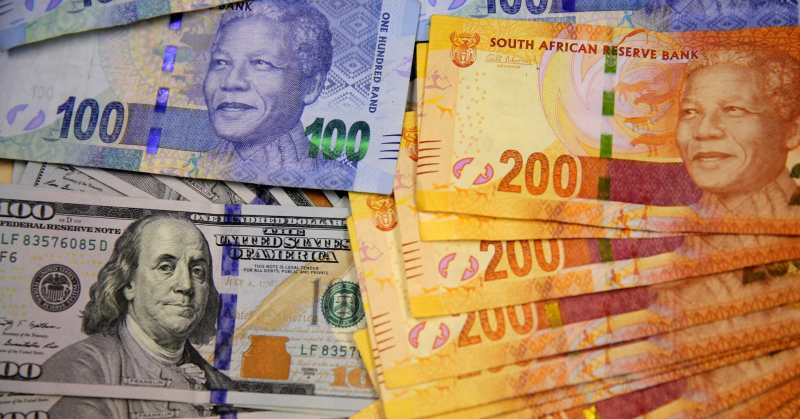
Sovereign defaults are increasing across Africa as nations grapple with surging debt, slowing growth, and global financial tightening. Several governments are finding it increasingly difficult to meet repayment obligations, while others are seeking to restructure their debt portfolios. Despite these financial strains, African countries continue to rely heavily on issuing bonds denominated in U.S. dollars. This paradox underscores the region’s deep dependence on the dollar-driven global financial system one that offers access to much-needed capital but also exposes economies to significant currency and liquidity risks.
Over the past few years, a combination of rising global interest rates, weaker currencies, and persistent fiscal deficits has intensified debt distress across the continent. Nations such as Ghana, Zambia, and Ethiopia have faced restructuring efforts after falling behind on external debt payments, while others like Kenya and Nigeria are under increasing pressure from high refinancing costs. Global investors have become more cautious, demanding higher yields for African debt instruments, which has pushed borrowing costs to multi-year highs.
The Mounting Burden of African Debt
African economies are navigating a complex web of domestic and external pressures. Public debt levels have surged in recent years as governments borrowed to finance post-pandemic recovery programs, energy subsidies, and large infrastructure projects. However, the slowdown in global trade and higher U.S. interest rates have made it harder for these nations to refinance their obligations. As the dollar strengthens, the cost of servicing debt denominated in the U.S. currency rises sharply in local-currency terms.
Currency depreciation across the continent has deepened this challenge. In many countries, the local currency has lost more than 20 percent of its value against the dollar over the past two years, inflating repayment costs and eroding fiscal buffers. This has forced governments to divert more of their budgets toward debt service, often at the expense of social programs, education, and infrastructure development.
At the same time, domestic borrowing options remain limited. High inflation has kept local interest rates elevated, discouraging domestic lending and increasing pressure on central banks to maintain tight monetary policies. With private-sector credit growth slowing, many African governments are effectively crowding out businesses, worsening unemployment and reducing investment.
Dollar Bonds Remain the Benchmark for Borrowing
Despite mounting risks, dollar-denominated bonds remain the primary instrument for African nations to access international capital. The global bond market’s depth, liquidity, and investor base make dollar issuance the most viable path for large-scale sovereign financing. Investors prefer dollar bonds because they are standardized, easily tradable, and backed by transparent yield data. For many African governments, issuing in dollars signals credibility and provides access to global pools of institutional capital.
The problem lies in the dependence this creates. When global financial conditions tighten, investor appetite for riskier assets declines, and yields on African dollar bonds spike. The stronger the dollar becomes, the more difficult it is for emerging-market borrowers to sustain debt repayments. Yet the alternatives such as issuing in euros, yuan, or local currencies remain limited due to small market depth, exchange-rate risks, and low investor participation.
For now, dollar bonds remain the financial backbone of African sovereign borrowing. Countries that have defaulted in recent years still benchmark future issuances to the dollar, as there is no comparable alternative for pricing and liquidity. Even when debt distress is evident, the U.S. dollar continues to represent the ultimate standard for financial trust.
Policy Shifts and Regional Cooperation
To address rising debt risks, several African nations are implementing reforms aimed at improving debt transparency and fiscal discipline. Enhanced coordination with international institutions has led to stronger frameworks for restructuring and debt relief. However, progress remains uneven, and many nations still face challenges in balancing growth with debt sustainability.
Regional cooperation is also gaining traction. Efforts to develop African bond markets and regional credit mechanisms are slowly expanding, though they still represent a small share of total financing. Some nations are exploring innovative funding options such as green bonds, diaspora bonds, and public-private partnerships to diversify their funding sources. However, the success of these initiatives will depend on investor confidence, governance, and long-term policy consistency.
Building resilient domestic capital markets remains one of the continent’s most critical tasks. By deepening local bond markets, governments can reduce reliance on external borrowing and gradually shift toward local-currency debt issuance. Encouraging local institutional investors such as pension funds and insurance companies to participate can also provide a more stable source of funding.
Conclusion
Sovereign defaults are on the rise in Africa, yet dollar-denominated bonds remain the cornerstone of the region’s access to global capital. This dependence highlights both opportunity and vulnerability access to financing on one hand and exposure to currency and liquidity shocks on the other. For African economies, the path forward will require disciplined fiscal management, stronger domestic markets, and diversified funding strategies that lessen the grip of the dollar system. Only through sustained reform can the continent reduce its exposure to external shocks while maintaining its link to global financial stability.