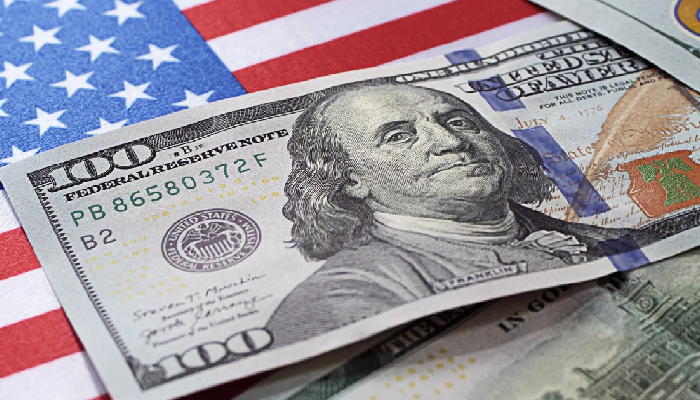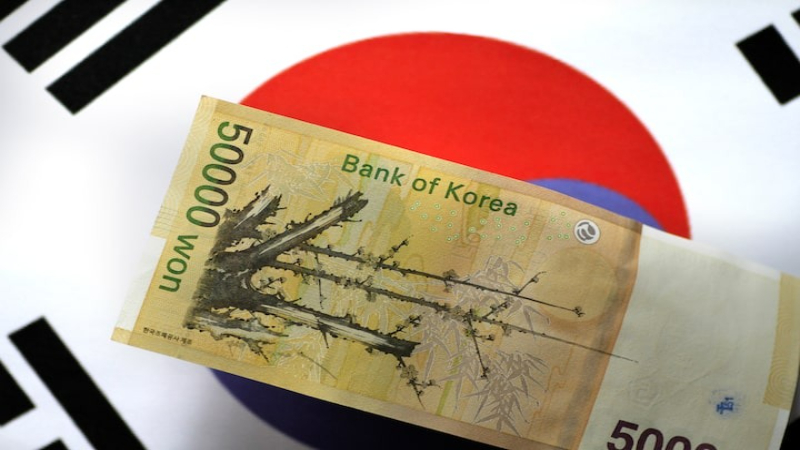
The South Korean won’s extended slide against the dollar has drawn sharper warnings from policymakers, adding another layer of volatility to global currency markets already sensitive to uneven monetary cycles. The currency’s decline has accelerated in recent weeks, with the won down roughly five percent this quarter and hovering near a sixteen year low. The move has underscored persistent demand for the dollar across Asian markets as investors increase exposure to U.S. assets ahead of an expected shift in Federal Reserve policy. Korean authorities are now openly expressing concern that the depreciation could fuel inflation and weaken household purchasing power at a time when domestic growth indicators remain fragile. Market participants are closely watching whether foreign exchange regulators intervene directly or instead rely on coordinated policy adjustments to stabilize the currency without disrupting cross-border capital flows.
Bank of Korea board member Kim Jong Hwa said authorities cannot remain passive in the face of the weaker won. His remarks follow a series of statements from senior officials signaling discomfort with the current trajectory of the exchange rate. The central bank has kept interest rates unchanged for several months, maintaining a two percentage point gap with the United States, the widest differential since 1999. This spread continues to draw capital outward as Korean investors increase allocations to overseas equities, adding pressure on the currency. Kim noted that sustained depreciation would intensify the financial strain on exporters with limited hedging capacity and on smaller businesses unable to absorb higher import costs. Rising prices for intermediate goods could pass through the economy at a time when inflation remains a key risk factor. Traders argue that any decisive stabilizing actions would likely need to address both market liquidity and broad expectations about future rate policy.
Concern about the policy landscape is growing as South Korea’s easing cycle nears its end while U.S. rate cuts may fall short of earlier projections. The resulting divergence has reinforced dollar strength across Asia, particularly in markets where foreign fund outflows remain elevated. In response, Seoul has recently coordinated with the Bank of Korea, the finance ministry, the welfare ministry and the National Pension Service to form a consultative group aimed at protecting the country’s foreign exchange stability while supporting long term institutional returns. Officials confirmed that the pension service is reviewing options to raise additional dollars, including potential offshore bond issuance. Investors interpret this as an early sign that authorities are preparing supplemental liquidity tools that could help moderate the won’s decline. Whether these measures shift market sentiment will depend on how the Federal Reserve’s upcoming decisions reshape global yield spreads and the broader appeal of the dollar heading into 2026.