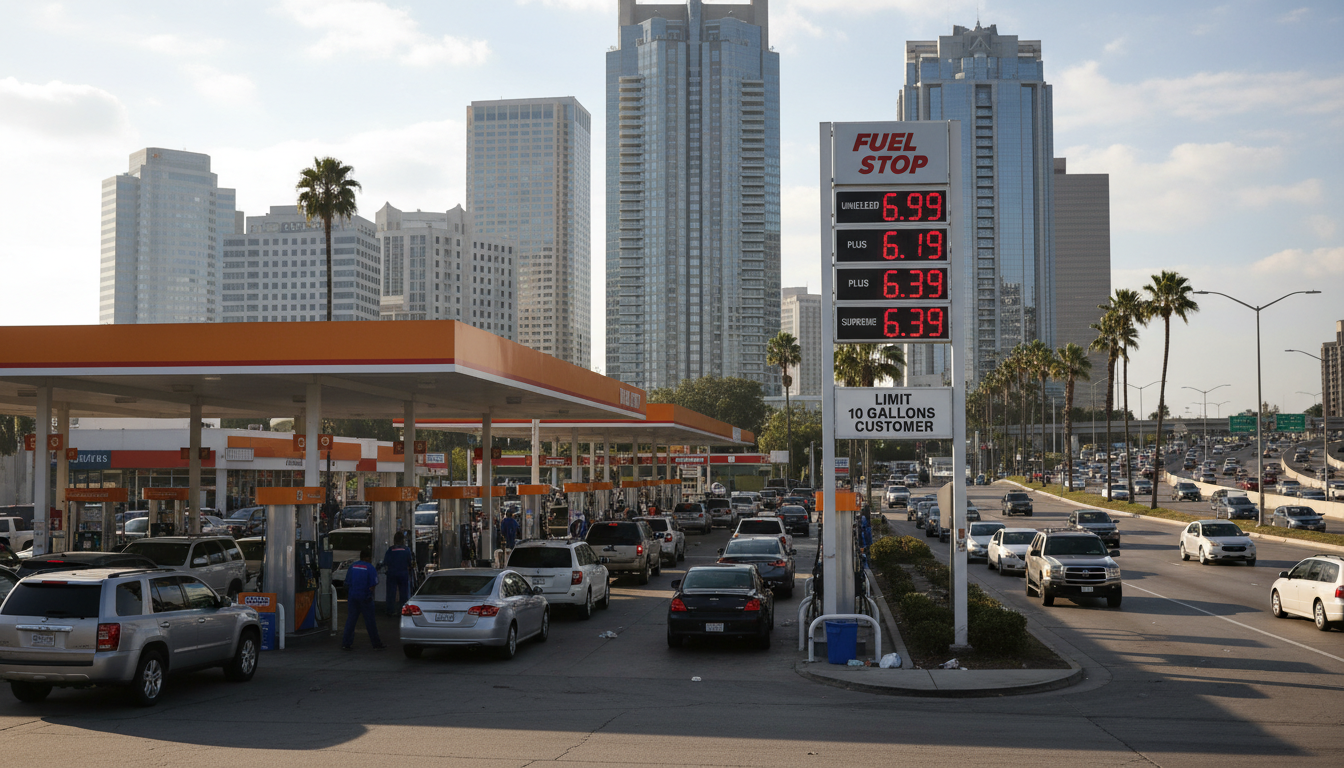
Pump Prices Surge Amid Ongoing Iran Crisis
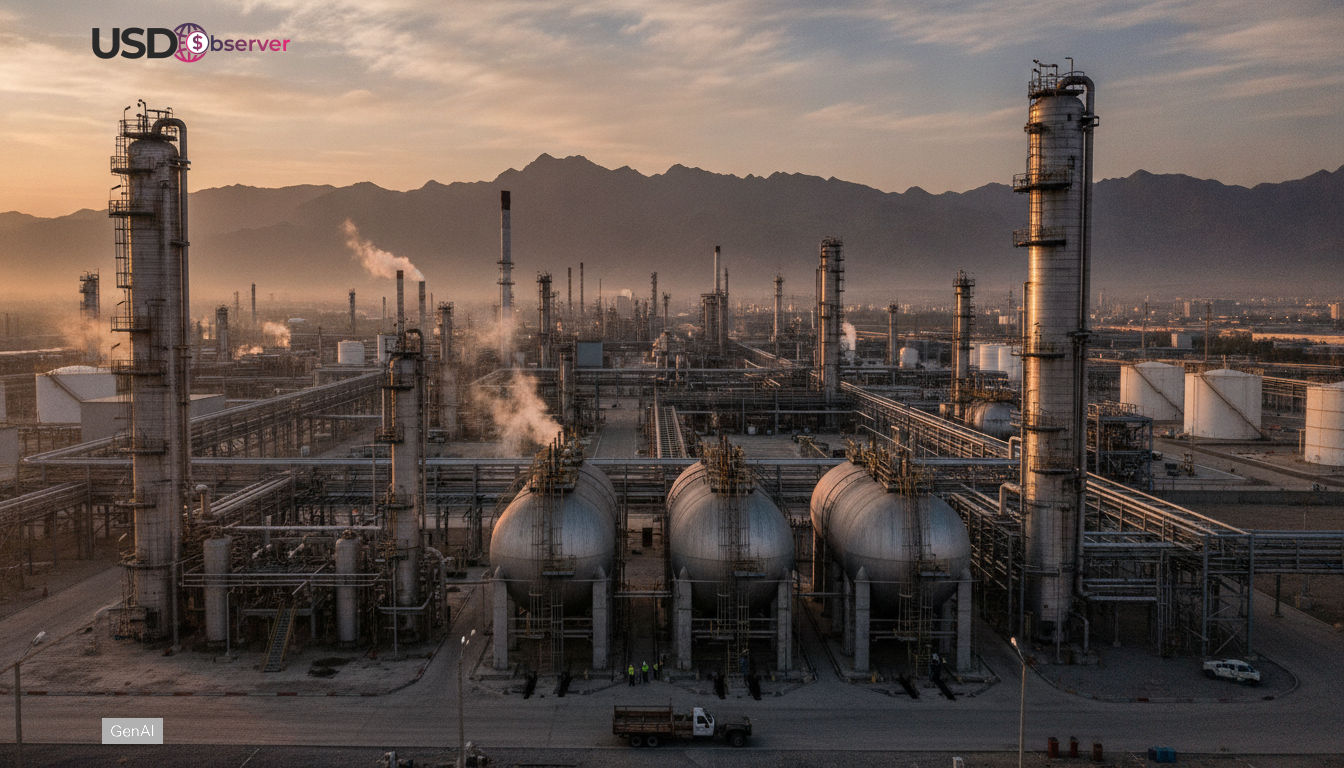
Drivers are feeling the squeeze at the pump as retail gasoline prices climb again Today, with stations in multiple regions posting fresh weekly highs. In market briefings, analysts tied the move to the Iran conflict and renewed risk premiums that have rippled through refined fuel supply chains. Midday Live trading in energy futures amplified the shift as wholesalers adjusted replacement costs. Reuters linked the latest jump in US fuel costs to tighter near term supplies and more expensive crude cargoes, while refining margins remained elevated. One Update from fuel price trackers showed the average paid by motorists rising faster than many forecasters expected this month. The squeeze is most visible on commutes, where small per gallon moves quickly compound into larger weekly bills.
Impact on US Inflation and Economy
Higher gasoline is feeding directly into headline readings, and that pass through is becoming harder to ignore in consumer budgets Today. In the middle of the latest inflation preview, inflation us 2025 is increasingly shaped by energy components even as some goods categories cool. Economists at Reuters said the fuel spike can lift monthly CPI prints quickly because gasoline is measured frequently and purchased often. For context on how price pressures are tracked, readers can follow Global Economy coverage in the ongoing Live cycle of data releases and market reaction. An Update from several retail chains noted shoppers pulling back on discretionary trips, which can pressure services demand without immediately easing energy costs. The immediate effect is a noisier inflation path that complicates planning for households and small businesses.
Global Oil Market Reactions
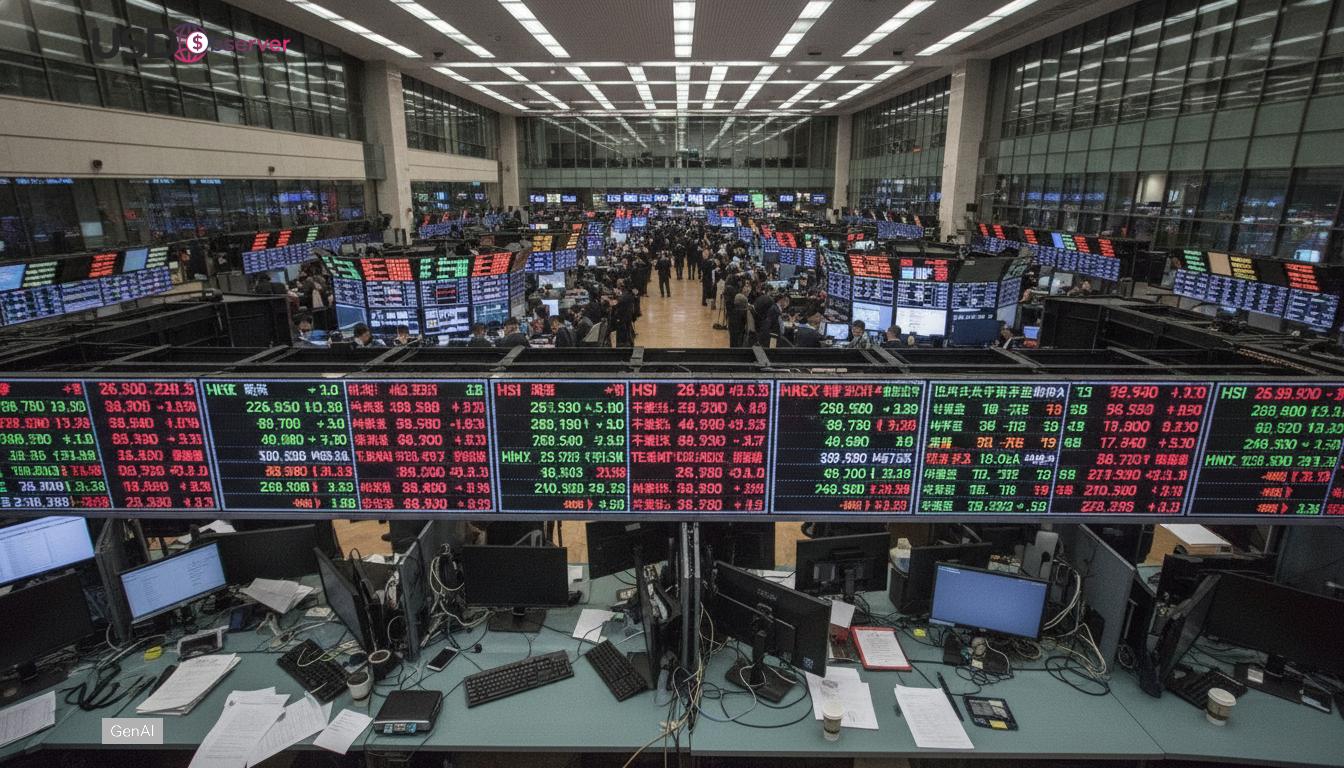
In crude markets, traders have treated the Iran conflict as a catalyst for higher risk pricing, with prompt barrels rising faster than longer dated contracts Today. Bloomberg described a jump in volatility as options markets priced wider swings, reflecting uncertainty around shipping and regional supply routes. During Live sessions, benchmarks reacted sharply to headlines, then retraced as physical flows continued, a pattern typical when risk is being repriced in real time. The oil market response has also shown up in spreads for refined products, where tighter gasoline and diesel balances can push pump prices higher even if crude later stabilizes. An Update from energy desks highlighted that refinery outages and seasonal maintenance can magnify the effect of geopolitics on retail fuel. That combination is keeping inflation sensitive to every new development.
Federal Reserve’s Response to Rising Inflation
Federal Reserve officials have been careful not to overreact to a single energy driven shock, but they are watching how pump prices influence expectations Today. In mid cycle remarks, Chair Jerome Powell has emphasized that the Fed targets inflation trends and broader demand, yet energy can still shape the public narrative and wage bargaining. In the middle of this debate, inflation us 2025 is a useful frame for markets because it captures whether near term price spikes fade or become embedded. Live rates trading has reflected that tension, with Treasury yields moving as investors recalibrate the odds of cuts. A Reuters Update noted that policymakers want to see continued progress in core inflation before easing policy, especially if headline measures reaccelerate. The central risk is that energy costs keep consumer sentiment weak while inflation stays uncomfortably high.
Future Outlook for Fuel Prices and Inflation
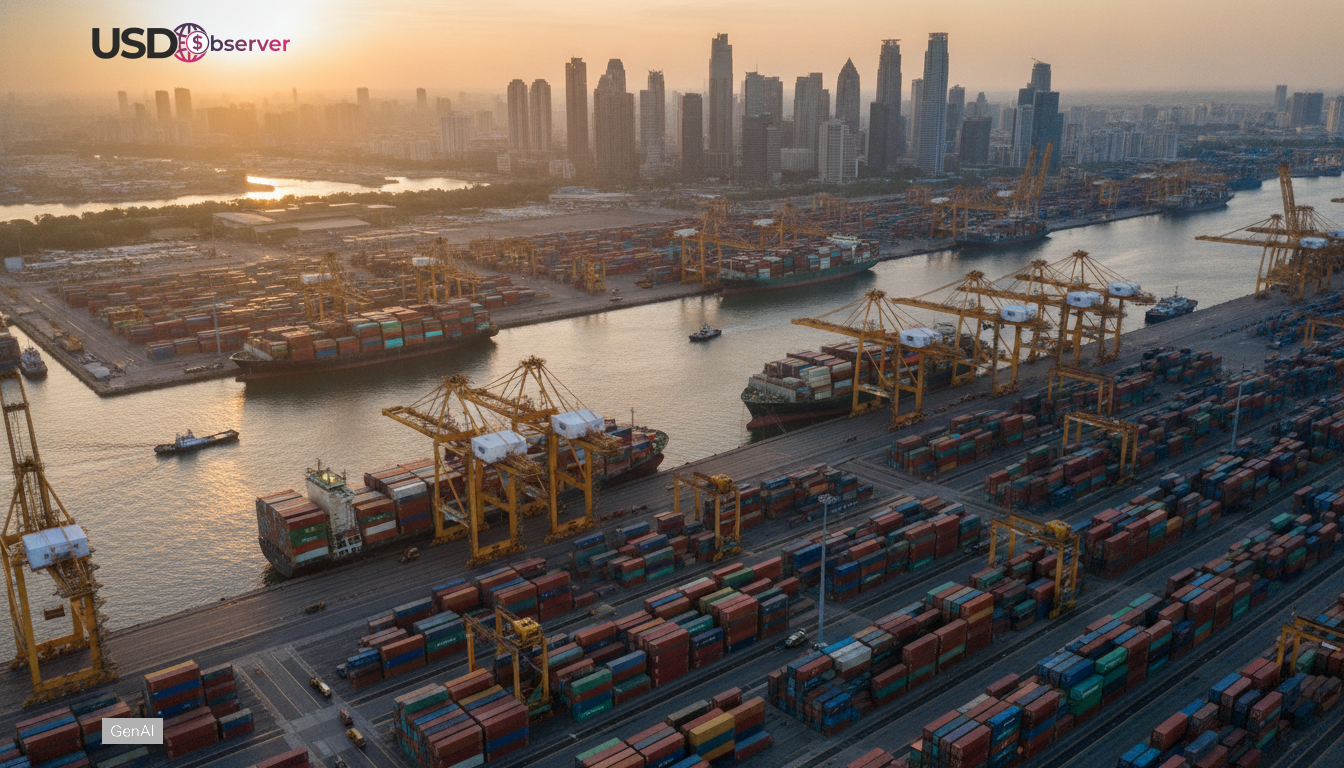
The next few weeks will hinge on whether crude and product markets absorb the latest shock or face further disruptions, a question that remains central to consumers Today. Analysts monitoring the oil market say inventories, refinery runs, and shipping costs will matter as much as geopolitics for where pump prices settle. In the middle of current forecasts, inflation us 2025 could cool if fuel retreats, but the near term path depends on how long risk premiums persist. Live monitoring of futures curves shows traders still paying up for prompt supply, which can keep retail prices sticky even after headlines fade. A Bloomberg Update pointed to continued sensitivity around the Strait of Hormuz and regional logistics as a key variable for energy pricing. For now, households should expect more volatility rather than a smooth return to last season levels.