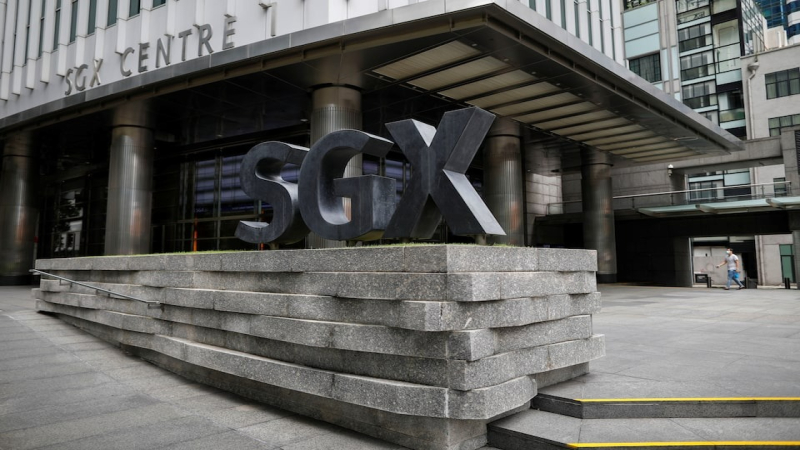
Singapore is stepping up efforts to revive its equity market by introducing a fast track dual listing framework linking the Singapore Exchange with Nasdaq, a move that has drawn early interest from potential issuers but faces notable structural hurdles. The initiative allows eligible companies to list simultaneously on both exchanges using a single prospectus, reducing regulatory complexity and lowering the cost of accessing global capital. Set to launch by mid 2026, the plan is part of a broader push by the city state to strengthen its position as a regional financial hub after years of lagging IPO activity. Authorities hope the Nasdaq connection will enhance Singapore’s appeal to Southeast Asian growth firms seeking international exposure while restoring momentum to its listings market.
The response from companies has been broadly positive, particularly among technology and growth focused firms that have long viewed dual listings as operationally burdensome. Executives point to streamlined regulatory reviews as a key advantage, making cross border listings more feasible for companies that previously avoided them. The initiative builds on other recent measures, including tax incentives and market reforms, that have helped lift IPO fundraising in Singapore to its highest level since 2017. Even so, the recovery remains modest compared with regional competitors, underscoring the challenge Singapore faces in closing the gap with deeper and more liquid markets.
Bankers caution that the program’s high eligibility bar could limit its impact. Companies must meet a market value threshold of at least S$2 billion, restricting participation to a small pool of established firms. While the requirement is intended to ensure quality and support trading volumes, it excludes many earlier stage companies that make up the bulk of Southeast Asia’s startup ecosystem. Market advisers estimate that only a handful of regional technology firms currently meet the criteria, raising concerns about whether deal flow will be sufficient to generate sustained interest and liquidity in the early phases of the initiative.
Liquidity remains the most persistent challenge. Singapore’s stock market has historically suffered from thin trading volumes, reducing its attractiveness to global investors despite strong governance and regulatory standards. Daily turnover remains far below that of major regional rivals, limiting price discovery and post listing performance. Authorities have introduced funds aimed at boosting trading activity, but market participants stress that confidence will depend on execution rather than policy announcements alone. Analysts argue the success of the Nasdaq link will hinge on early listings, visible trading depth, and potential adjustments to thresholds over time. Without these, the initiative may improve perception but fall short of delivering a structural shift.