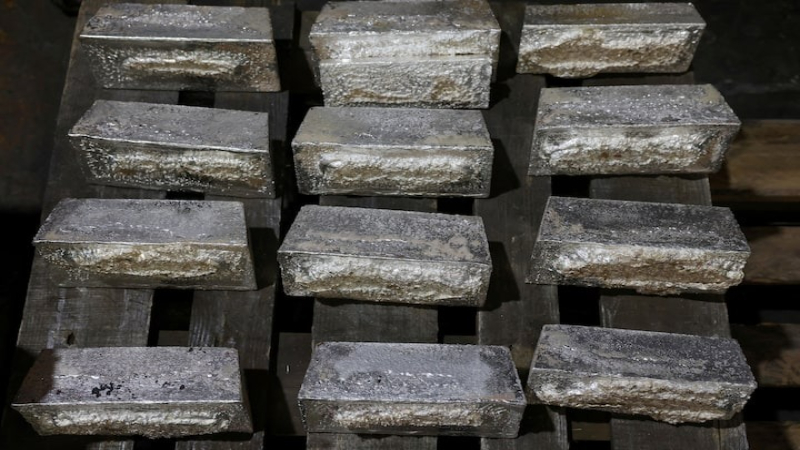
Silver’s move above $65 per ounce reflects a convergence of liquidity dynamics, policy positioning, and structural supply constraints rather than a single demand shock. The metal has more than doubled this year, outperforming gold and pushing to levels not previously recorded in modern market data. While silver often tracks gold during periods of macro stress, the current rally carries additional layers tied to investment behavior and market structure. Inclusion on the U.S. critical minerals list has altered trade flows and inventory distribution, tightening availability outside the United States. At the same time, geopolitical tension and trade friction have reinforced demand for hard assets perceived as insulated from currency and policy volatility. The result has been an acceleration driven by capital rotation as much as by end use consumption.
Investment flows have played a central role in amplifying the move, particularly as momentum strategies and speculative positioning build on a relatively small market base. Silver’s persistent supply deficit has left prices more sensitive to shifts in demand than larger precious metals, allowing liquidity driven buying to translate quickly into price gains. Demand linked to industrial uses such as data centers, energy infrastructure, and electronics has provided a fundamental backdrop, but price action suggests financial drivers are currently dominant. Inventory tightness in key trading hubs has added to volatility, especially after earlier dislocations redirected physical supply toward the U.S. market. This combination has produced a price environment where marginal flows exert outsized influence, reinforcing silver’s reputation as a high beta expression of broader macro themes.
From a dollar focused perspective, silver’s rally aligns with a wider pattern of hedging against policy uncertainty and shifting expectations around rates and liquidity. Precious metals have benefited from concerns over fiscal trajectories, trade measures, and institutional credibility, with silver offering a more leveraged response than gold. That leverage cuts both ways, as the metal historically magnifies moves in either direction when conditions change. While forecasts point to further upside if rate expectations ease, the current level also embeds significant speculative premium. For observers of the dollar system, silver’s behavior serves as a signal of how constrained liquidity and policy risk are being priced across markets. The surge highlights demand for assets outside traditional financial instruments, even as it underscores the fragility that can emerge when positioning becomes crowded in a volatile market.