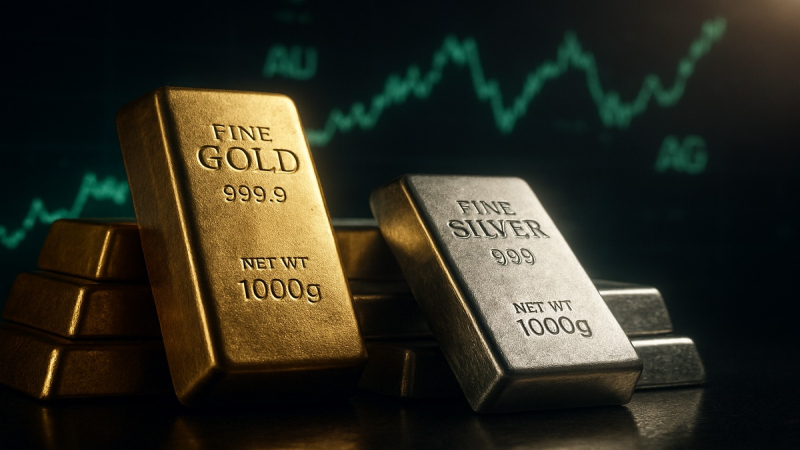
Silver prices surged to a fresh record above the $70 per ounce threshold, extending a rally that has gathered pace through 2025 as structural supply tightness and rising industrial demand continue to reshape precious metals markets. The move marked another milestone for silver, which has more than doubled in value this year, reflecting sustained deficits across physical markets and expanding use in electronics, energy transition infrastructure, and advanced manufacturing. While safe-haven flows have played a role, the price action increasingly reflects longer-term fundamentals rather than short-term risk sentiment. Market participants continue to focus on whether elevated prices will curb demand or accelerate new supply, though production constraints have limited near-term adjustments. The rally has also drawn renewed attention from institutional investors seeking diversification within real assets, particularly as volatility across currencies and sovereign debt markets remains elevated into year end.
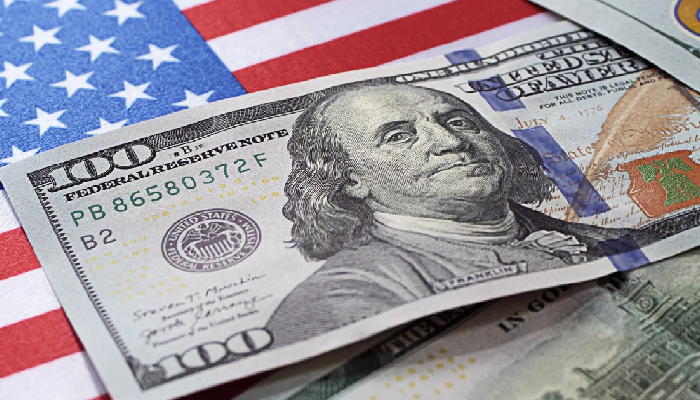
Gold prices briefly touched a new all-time high before easing as stronger-than-expected US economic data supported the dollar and prompted some intraday profit-taking. Revised growth figures showed the US economy expanding faster in the third quarter, reinforcing expectations that monetary conditions may remain tighter than previously anticipated. A firmer dollar tends to weigh on dollar-denominated commodities by reducing affordability for non-US buyers, and gold reflected that dynamic as gains moderated. Even so, bullion remains significantly higher on the year, underpinned by persistent central bank purchases, geopolitical uncertainty, and investor demand for assets perceived as stores of value. The broader trend suggests that while short-term price movements remain sensitive to macro data, longer-term demand drivers linked to reserve diversification and financial stability continue to provide support.
Other precious metals followed silver higher, with platinum reaching levels last seen more than a decade ago and palladium also posting notable gains. The strength across the complex highlights how supply constraints and substitution dynamics are influencing pricing beyond gold alone. Platinum markets have tightened amid limited mine output and resilient demand from industrial and automotive sectors, while palladium has benefited from spillover interest as investors reassess relative value within the metals space. Together, the moves underscore a broader re-pricing of tangible assets as markets adjust to shifting growth expectations, currency movements, and longer-term structural trends. With precious metals increasingly reflecting both industrial utility and monetary considerations, volatility is likely to remain elevated as traders balance strong fundamentals against changing macro signals.