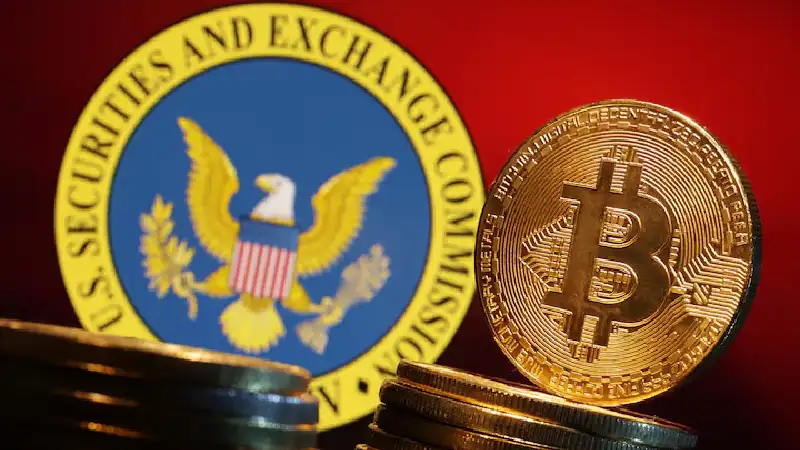
The U.S. Securities and Exchange Commission has released a long awaited framework clarifying how cryptocurrencies will be classified under federal law, marking a significant step toward regulatory clarity in the digital asset market. The guidance outlines which types of crypto tokens fall under securities regulations and introduces a structured approach to distinguishing between different categories of digital assets. The move is expected to influence market sentiment, institutional participation, and compliance strategies across the crypto sector as regulators seek to bring greater transparency to a rapidly evolving financial ecosystem.
The new interpretation divides crypto assets into five broad categories including digital commodities, digital collectibles, digital tools, stablecoins, and digital securities. According to the framework, only digital securities will be subject to traditional securities laws, while other categories may fall outside the SEC’s direct regulatory scope. However, the agency emphasized that classification is not static, noting that a digital asset initially considered a non security could become subject to regulation if it is marketed or structured in a way that creates expectations of profit tied to a common enterprise. This approach reflects an effort to adapt existing legal standards to new financial technologies.
Alongside the classification framework, SEC leadership has also proposed the introduction of a safe harbor mechanism aimed at supporting innovation while maintaining investor protection. The proposal would provide crypto companies with a defined pathway to raise capital and develop projects without immediate full regulatory compliance, allowing time for networks to mature. Officials indicated that this approach could include a temporary exemption for startups, enabling them to operate under specific conditions before transitioning into standard regulatory oversight. The initiative is designed to address long standing concerns from the industry regarding regulatory uncertainty.
The announcement signals a broader shift in how U.S. regulators are approaching digital assets, moving toward more tailored frameworks rather than applying traditional financial rules without modification. Policymakers have acknowledged that existing regulations may not fully align with the characteristics of blockchain based systems, prompting calls for clearer definitions and more flexible compliance pathways. The involvement of multiple regulatory bodies in shaping the framework suggests an effort to coordinate oversight across different segments of the market, particularly where distinctions between commodities and securities have created ambiguity.
Market participants have long viewed regulatory clarity as a key driver for institutional adoption, with many firms hesitant to expand involvement in the absence of clear rules. The SEC’s latest guidance could reduce some of that uncertainty by providing a more predictable environment for investment and product development. However, the framework also introduces new compliance considerations, as companies will need to carefully assess how their tokens are structured and promoted to avoid falling within securities classifications unexpectedly. This dynamic is likely to influence how projects are designed and marketed going forward.
The agency indicated that further proposals, including detailed rules on safe harbor provisions and innovation exemptions, are expected in the coming weeks, with opportunities for public consultation. As the regulatory landscape continues to evolve, the new framework is likely to play a central role in shaping the next phase of growth in the digital asset market. Investors and companies alike will be closely monitoring how these guidelines are implemented and whether they succeed in balancing innovation with investor protection in one of the most dynamic areas of modern finance.