Saudi Arabia is set to fully open its financial markets to foreign investors from early February, marking a significant shift in how the kingdom positions its capital markets within global financial flows. The decision removes long standing entry barriers that previously limited access to select institutional investors, signaling a broader effort to deepen liquidity and integrate more directly with international capital. By eliminating the Qualified Foreign Investor framework, regulators are allowing overseas investors to participate in Saudi markets on equal footing with domestic players. The move comes as authorities seek to strengthen market depth, improve price discovery, and reduce reliance on local funding sources. It also reflects confidence that the market’s regulatory and settlement infrastructure is now mature enough to handle larger and more diverse cross border inflows without destabilizing volatility.
The reform aligns closely with the kingdom’s wider economic transformation agenda, which aims to reduce dependence on oil revenues and channel foreign capital into non energy sectors. Saudi policymakers have increasingly viewed capital markets as a strategic tool rather than a peripheral funding venue. Opening the market fully is expected to attract long term institutional capital, including pension funds and asset managers seeking exposure to emerging market growth with relatively stable macro fundamentals. The policy shift also builds on earlier steps that expanded foreign participation through exchange traded products and selective ownership rule changes. Together, these measures suggest a deliberate effort to reposition Saudi equities as a core allocation within global emerging market portfolios rather than a satellite exposure.
International ownership in Saudi financial markets has already grown steadily, supported by index inclusion and gradual regulatory easing. The latest change is likely to accelerate that trend by reducing friction costs and administrative hurdles that previously discouraged broader participation. Greater foreign involvement is expected to improve liquidity conditions, narrow bid ask spreads, and increase correlations with global risk sentiment. At the same time, authorities appear to be balancing openness with safeguards, maintaining restrictions on direct land ownership while allowing wider exposure through listed companies. This approach reflects an attempt to attract capital without surrendering control over strategically sensitive assets, a balance that many emerging markets continue to navigate.
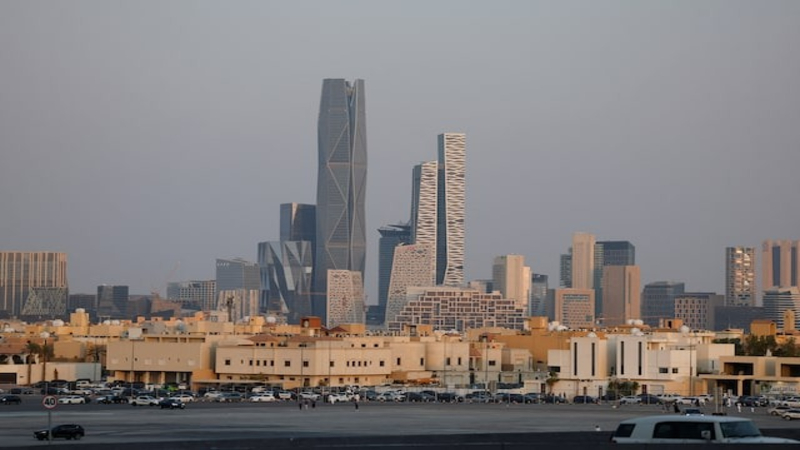
From a global perspective, the opening underscores a shift in capital flows toward markets offering regulatory clarity and scale at a time when investors are reassessing risk concentration. As borrowing costs remain elevated in developed markets, Saudi Arabia’s deepening equity market offers an alternative avenue for portfolio diversification. The move also strengthens the kingdom’s ambition to position Riyadh as a regional financial hub, complementing reforms in banking, asset management, and market infrastructure. While near term inflows may be sensitive to global conditions, the structural signal is clear: Saudi Arabia is moving from selective openness toward full participation in global capital markets.