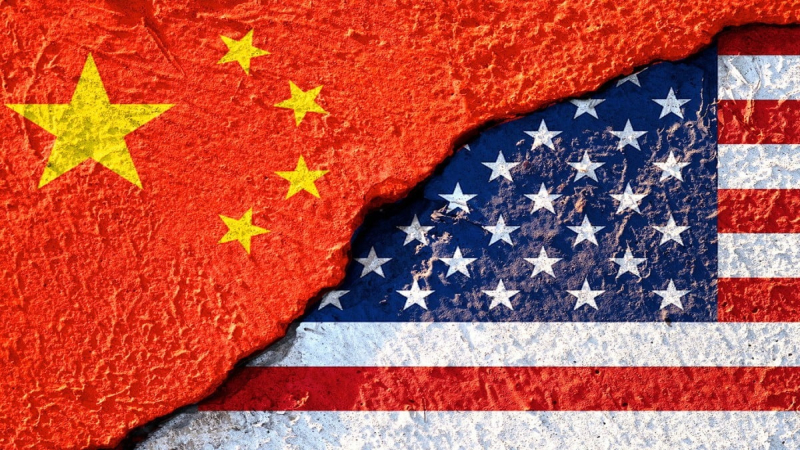
Growing strategic competition between China and the United States is expected to intensify in the coming years as both sides work aggressively to secure influence among third countries, creating a more complex environment for global trade and investment. Analysts speaking in Beijing warned that even moments of political calm are unlikely to last long, as each side continues to test the other while expanding their economic and geopolitical presence across developing regions. This competition has already accelerated shifts in global supply chains as countries caught in the middle weigh their economic dependencies, market access priorities and long term security concerns. For businesses and policymakers, the challenge is no longer simply navigating bilateral tensions but adapting to an evolving global map where alliances are fluid and economic ties increasingly reflect strategic considerations rather than purely commercial logic. The expectation among analysts is that volatility will rise further as both Beijing and Washington seek to lock in partnerships that strengthen their positions in technology, manufacturing and regional trade networks.
Experts noted that the cycles of friction and limited cooperation between the two powers have grown more pronounced since 2018, making it harder for third countries to predict how policy changes will unfold or how quickly trade dynamics could shift. These nations are being pushed to take stances on issues that directly affect their access to markets, investments and supply chain integration, yet few are willing to commit fully to either side given the economic consequences such alignment could bring. Businesses in Southeast Asia, Latin America and parts of Africa have described increasing uncertainty about long term planning, as evolving trade rules, shifting tariffs and new industrial policies from both China and the United States reshape commercial decisions. While many countries hope to benefit from diversification efforts as companies relocate production, the heightened competition also increases the risk of abrupt policy shocks that could disrupt investment flows and reduce predictability in cross border trade.
Analysts stressed that economic interests remain deeply intertwined across the global system, making it difficult for governments or corporations to choose one side without facing direct costs. The complex reality of modern supply chains means that even firms hoping to avoid geopolitical tensions often find themselves affected by policy changes that ripple through logistics, sourcing strategies and export markets. The United States continues to push for tighter security reviews and reshoring in strategic industries, while China focuses on expanding its influence through trade partnerships, infrastructure financing and market access commitments. The evolving landscape points toward a future in which currency markets, investment decisions and international trade flows become more sensitive to geopolitical risk. As both powers intensify efforts to sway third countries, the reshaping of global alliances will carry significant implications for the dollar, emerging market stability and corporate exposure to geopolitical tensions.