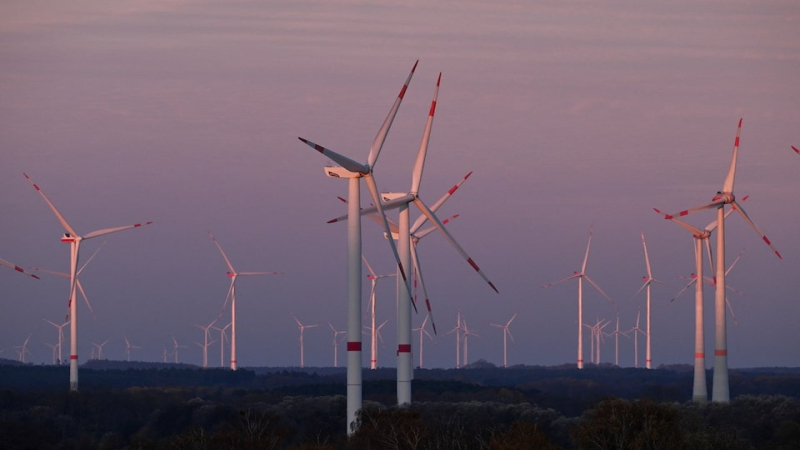
Renewable energy marked a structural turning point in the European Union’s power sector in 2025 as wind and solar generation collectively surpassed fossil fuels for the first time. Strong expansion in solar capacity across the bloc played a decisive role, lifting renewable output despite weaker contributions from wind and hydropower due to weather conditions. The shift reflects years of investment in clean energy infrastructure and policy support aimed at reducing exposure to volatile fossil fuel markets. Renewables now account for nearly half of the EU’s electricity generation, signaling a meaningful rebalancing of the region’s energy system. The transition has accelerated as governments seek greater energy security following years of price shocks and supply disruptions tied to imported fuels. While fossil fuels remain a significant component of the power mix, their relative share continues to decline as new renewable installations come online.
Solar power emerged as the fastest growing source of electricity, expanding at a pace that has reshaped national power profiles across much of Europe. Increased deployment of rooftop and utility scale solar allowed several countries to source a substantial share of electricity from sunlight alone, reducing dependence on coal and gas during daylight hours. This growth proved particularly important in early 2025 when weather patterns limited wind speeds and rainfall, suppressing wind and hydro output. Solar generation helped offset these shortfalls, stabilizing the overall renewable share. The result underscores the growing role of diversified renewable portfolios, where different clean energy sources balance one another across varying conditions. The steady scaling of solar capacity highlights how rapidly deployment costs and permitting processes have improved across the region.
Coal continued its long decline within the European power system, reaching a record low share of electricity generation. Several countries have accelerated coal phaseouts, driven by emissions targets and unfavorable economics compared with renewables. However, reduced hydro output led to higher reliance on natural gas, pushing up gas imports and contributing to higher power generation costs. Increased gas use also translated into elevated wholesale electricity prices during periods when renewables could not fully meet demand. These dynamics illustrate that while the transition away from fossil fuels is progressing, it remains uneven and sensitive to weather and storage limitations. Gas continues to play a balancing role, but its cost volatility reinforces the economic case for further investment in renewable capacity and supporting infrastructure.
Attention is increasingly turning to grid flexibility and storage as the next phase of the energy transition. Rapid growth in battery installations is beginning to address the challenge of matching renewable supply with demand, particularly during evening peak hours. Expanded storage capacity can help smooth price volatility and reduce the need for gas fired generation when solar output declines after sunset. Policymakers view these technologies as critical to sustaining momentum in the shift toward cleaner power while maintaining system reliability. The 2025 data suggest the EU has crossed an important threshold, but long term success will depend on continued investment in grids, storage, and demand management to ensure renewables can fully replace fossil fuels without compromising affordability or stability.