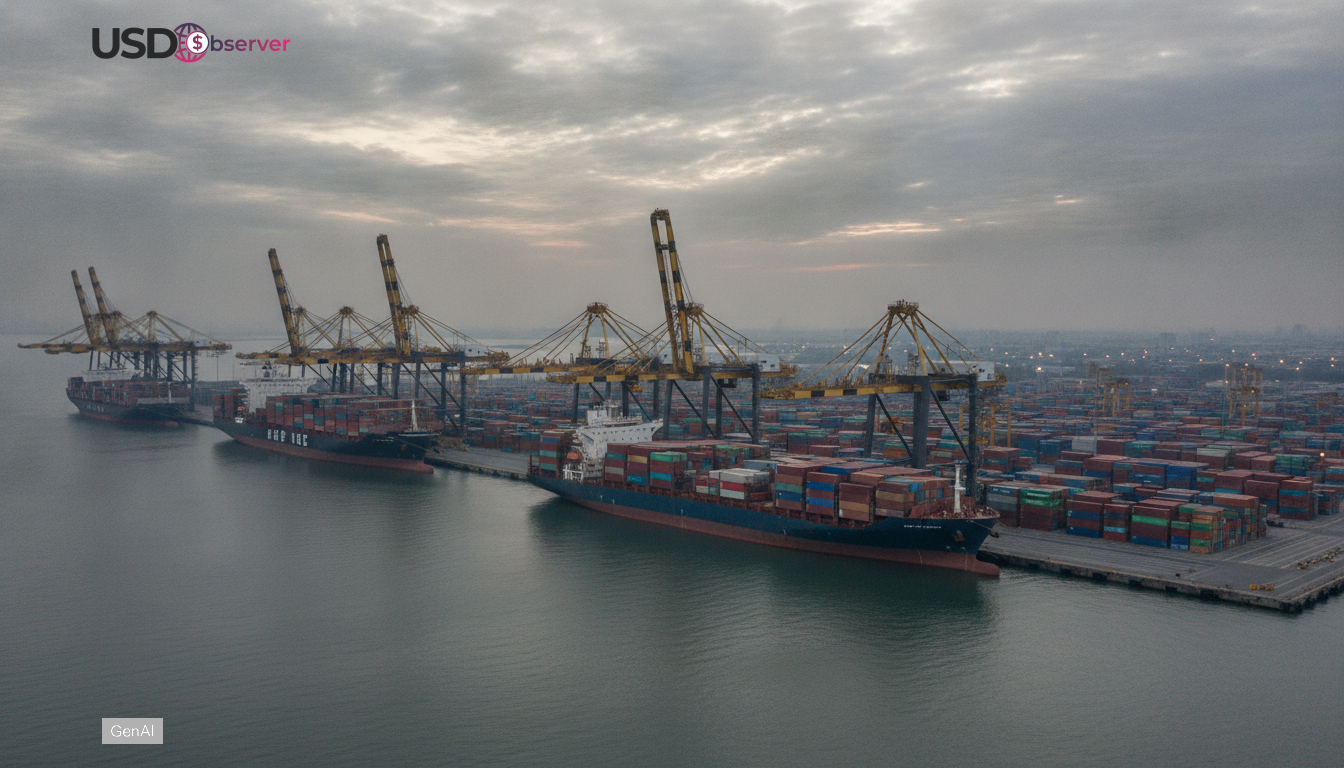
The global dollar system has historically relied on correspondent banking, central clearing institutions, and sovereign bond markets to transmit liquidity across borders. These mechanisms remain dominant. However, regulated stable settlement networks are emerging as complementary layers that may extend the operational reach of the dollar rather than compete with it. As policymakers introduce clearer compliance frameworks for digital dollar based instruments, the discussion is shifting from disruption to integration.
This transition reflects practical considerations. Cross-border commerce, remittances, and institutional transfers increasingly demand faster reconciliation and greater transparency. Regulated stable settlement networks seek to address these needs by embedding programmable logic and real time verification into dollar referenced transactions while operating within established legal boundaries.
Stable settlement networks and dollar denomination
Regulated stable settlement networks typically operate using dollar pegged instruments backed by reserves or high quality liquid assets. These systems are designed to maintain price stability while enabling faster transfer and automated compliance checks. Importantly, they do not introduce a new unit of account. The underlying reference remains the US dollar.
By preserving denomination in dollars, these networks reinforce the existing pricing framework of global trade and finance. The innovation lies in settlement mechanics rather than monetary substitution. Payments can move more efficiently, yet accounting standards and balance sheet reporting remain dollar based.
Liquidity transmission and operational flexibility
One of the defining features of regulated stable networks is their capacity for near real time settlement. In traditional cross-border systems, multiple intermediaries verify and clear transactions, extending timelines and increasing counterparty exposure. Stable settlement layers compress these stages through automated validation and standardized reporting.
Faster transmission of funds improves liquidity circulation. Institutions require fewer precautionary balances when settlement timing is predictable. This operational flexibility can reduce pressure in short term funding markets, especially during periods of heightened volatility.
Integration with existing financial institutions
Unlike early unregulated digital payment experiments, newer stable settlement networks increasingly operate under supervision. Banking partnerships, custody requirements, and reserve transparency standards are becoming central components. This alignment with regulatory oversight encourages institutional participation.
Financial institutions can integrate stable settlement channels alongside traditional clearing systems, creating redundancy without abandoning established infrastructure. The objective is resilience through layered design rather than replacement of legacy networks.
Infrastructure modernization and programmable logic
Modern settlement layers often rely on modular digital infrastructure capable of embedding revenue allocation and compliance rules directly into transaction flows. Certain infrastructure oriented blockchain toolkits demonstrate how programmable asset management can function within transparent governance structures. These models emphasize efficiency and traceability over speculation.
By incorporating programmable logic, settlement networks can automate fee distribution, compliance reporting, and transaction verification. This reduces administrative friction and improves monitoring capabilities for regulators and institutions alike.
Implications for forex and reserve dynamics
For forex markets, the expansion of regulated stable settlement networks introduces a subtle but meaningful shift. Dollar demand driven by transactional necessity may become more efficient, reducing temporary liquidity spikes. While macroeconomic policy remains the primary determinant of currency strength, operational modernization influences short term funding conditions.
Reserve managers may also observe that diversified settlement rails enhance deployability of dollar assets. Even if portfolio composition remains heavily dollar weighted, improved settlement flexibility increases confidence in the currency’s usability during stress events.
Policy considerations and systemic coherence
Regulatory clarity remains critical. Stable settlement networks must maintain full backing transparency and integrate seamlessly with anti money laundering and capital control frameworks. Fragmented oversight could create parallel liquidity pools that undermine stability.
When implemented with clear governance standards, regulated stable settlement networks function as extensions of the global dollar framework. They enhance transparency, accelerate reconciliation, and improve systemic resilience without altering monetary anchors.
Conclusion
Regulated stable settlement networks are increasingly operating as complementary layers within the global dollar framework, modernizing transaction mechanics while preserving dollar denomination. By improving liquidity transmission and operational transparency, these systems reinforce rather than weaken the structural resilience of the dollar centered financial system.