By Andreas Antonopoulos | Financial Educator & Author
Introduction
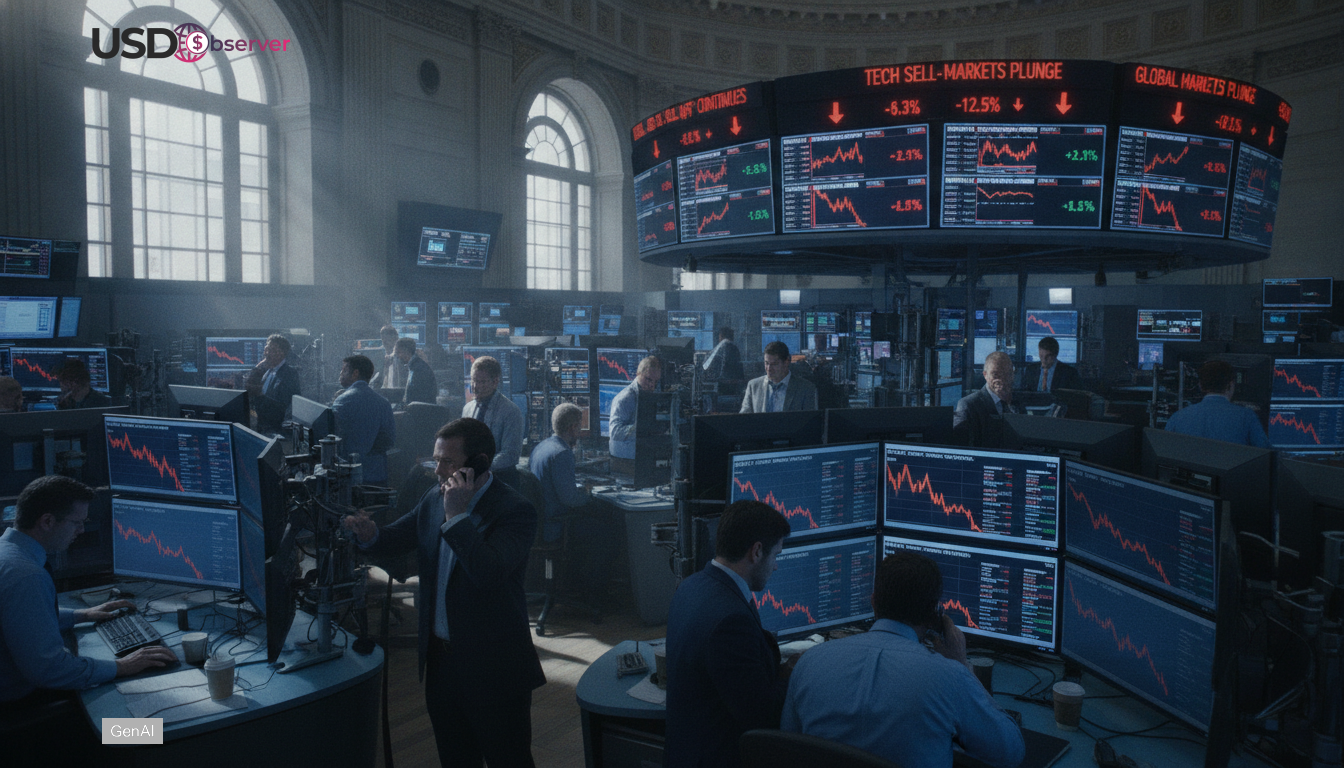
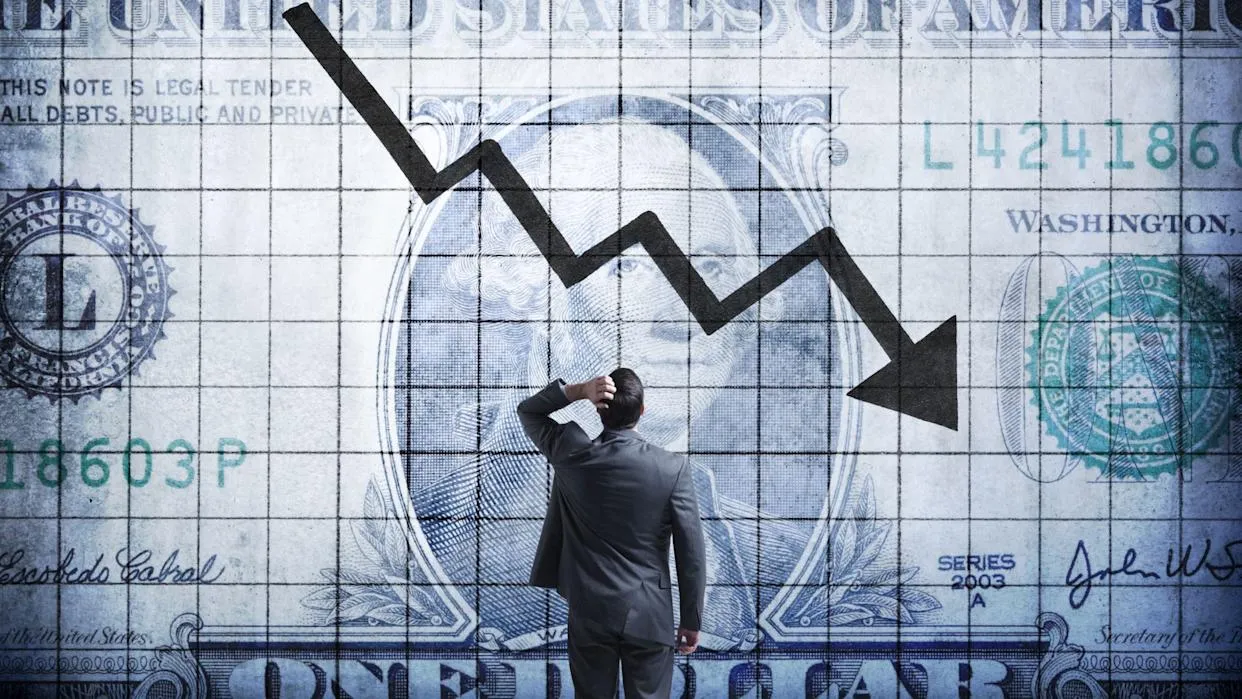
The specter of recession consistently reshapes how investors view the U.S. dollar. While growth slowdowns usually weaken domestic assets, the dollar has long served as the ultimate safe haven when the global economy falters. Capital floods into Treasuries, dollar liquidity tightens, and risk-sensitive currencies suffer in comparison. Over the past decade, this pattern has repeated — from the eurozone crisis and the pandemic shock to inflation-driven policy tightening in 2022–23. Traders now monitor each data release and yield-curve inversion for signs of a downturn, knowing that the dollar is often the first port of call in a storm. The paradox is clear: what weakens the U.S. economy at home can simultaneously strengthen the dollar abroad, as global investors seek safety in its unmatched liquidity and trust.
Yield Curves and Market Signals
The most reliable early-warning sign of recession is an inverted U.S. yield curve. In 2019, the 2s/10s inversion foreshadowed the 2020 downturn, even before COVID-19 accelerated the collapse. Similar inversions in 2022–23 prompted renewed debate, and each time, the dollar strengthened against EM and commodity-linked currencies. This reflects the “flight-to-quality” effect: when growth is questioned, investors cut exposure to risky assets and move into dollar-denominated safe assets.
MoM and YoY Economic Indicators
Labor and inflation data often set the tone for recession narratives. Payroll growth slowed from +400k MoM in 2022 to +150k MoM in 2024, while unemployment edged up to 4.2%. Inflation eased from a 9.1% YoY peak to ~3%, showing disinflation but also raising fears of weaker demand. Together, these shifts reinforced the idea that the U.S. economy was cooling. For FX traders, each payroll miss or softer CPI print confirmed recession concerns — but paradoxically supported the dollar as investors moved into Treasuries.
External Shocks Amplifying the Dollar’s Role
- Crime & Social Stress: Rising urban crime rates during downturns heighten risk aversion, reinforcing dollar demand as domestic stability remains relatively stronger than abroad.
- Climate: Natural disasters, from hurricanes in the Gulf Coast to wildfires in California, create short-term job market distortions that add noise to data. Yet these shocks also highlight the U.S.’s fiscal capacity, strengthening faith in Treasuries.
- Geopolitics: Wars and sanctions accelerate the dollar’s safe-haven appeal. In 2022, dollar demand surged as European economies faced energy stress from Russia’s invasion of Ukraine.
Lessons for Traders
For forex markets, recession risk is not a one-way bet. While weaker growth should theoretically depress a currency, the dollar’s reserve status makes it an exception. Traders should monitor MoM labor momentum, YoY inflation trends, and curve inversions as signals of looming slowdowns. When these indicators align, the dollar typically outperforms risk-sensitive currencies such as AUD, MXN, and ZAR, even if U.S. domestic conditions are weakening.
Takeaway
The dollar’s role in recessions underscores its unique position in global finance. It is simultaneously the currency of the world’s largest debtor and its safest asset provider. When recession fears intensify, investors default to the greenback — reinforcing its dominance even as the U.S. economy slows. For traders, this paradox is not a contradiction but an enduring feature of the FX landscape.