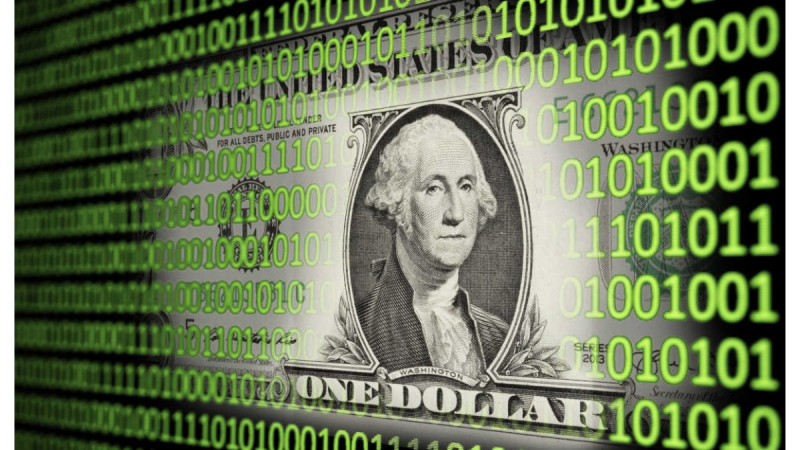
The US dollar is no longer just a medium of exchange or a store of value. It is increasingly becoming a programmable instrument that can influence how policy is transmitted through the financial system. As digital settlement tools, tokenized money, and automated compliance features mature, dollars are gaining attributes that allow rules to travel with the currency itself.
This evolution is changing how policymakers think about control, efficiency, and enforcement. Rather than relying solely on institutions to implement policy, programmable dollars allow certain conditions to be embedded directly into transactions. This does not replace traditional policy tools, but it adds a new layer that operates alongside them in real time.
Programmability Is Extending Policy Reach
The most important shift is that programmability allows policy intent to be expressed through transaction logic. Conditions related to settlement timing, usage constraints, reporting, or eligibility can be encoded into how dollars move. This creates a mechanism where policy influence is applied at the point of execution rather than after the fact.
For governments and regulators, this offers greater precision. Instead of broad measures that affect the entire system, programmable features allow for targeted application. Specific flows, sectors, or activities can be influenced without altering overall monetary settings.
This precision does not require issuing a new currency. It operates on existing dollar claims, enhancing functionality rather than expanding supply. The dollar becomes more adaptable while remaining familiar.
Compliance and Oversight Are Becoming Automated
One of the most immediate implications of programmable dollars is automation in compliance and oversight. Reporting requirements, transaction limits, and verification checks can be embedded directly into payment logic. This reduces reliance on manual enforcement and lowers operational friction.
For financial institutions, this can improve efficiency and reduce error. For policymakers, it increases transparency and consistency. Rules are applied uniformly and continuously, rather than episodically through audits or interventions.
As financial activity becomes faster and more digital, this automation becomes necessary. Programmable dollars align policy oversight with the speed of modern finance.
Monetary Transmission Becomes More Direct
Programmable features also affect how monetary conditions are transmitted. Interest accrual, fees, or incentives can be applied dynamically based on holding duration, usage patterns, or counterparty characteristics. This allows monetary signals to reach end users more directly.
Instead of relying solely on intermediaries to pass through conditions, the currency itself carries the adjustment. This does not eliminate intermediaries, but it changes their role. They become facilitators of programmable logic rather than the sole conduit of policy.
This direct transmission can improve responsiveness during periods of adjustment. Policy effects appear faster and with less distortion, especially in digital environments.
Cross Border Policy Coordination Gains a New Tool
In cross border contexts, programmable dollars introduce new possibilities for coordination. Conditions related to settlement, disclosure, or usage can be standardized across jurisdictions where the dollar is used. This creates a shared operational framework even when legal systems differ.
For global finance, this matters because the dollar operates far beyond US borders. Programmable features allow certain norms to be enforced consistently without requiring formal treaties or harmonized regulation.
This does not remove sovereignty, but it does reshape influence. Policy impact flows through infrastructure rather than negotiation, making the dollar a more active variable in global coordination.
Risks and Limits Remain Important
Despite its potential, programmable money also raises concerns. Excessive constraints could reduce flexibility, discourage adoption, or create unintended bottlenecks. The balance between control and usability is critical.
Policymakers must ensure that programmability enhances trust rather than undermines it. Transparency, governance, and clear limits are essential to prevent overreach or fragmentation.
Importantly, programmable dollars are still bound by the same economic realities as traditional ones. They do not override supply constraints, fiscal discipline, or market confidence. They change how policy is applied, not whether it works.
Conclusion
Programmable dollars are emerging as a new policy variable in global finance. By embedding rules into transactions, they extend policy reach, automate oversight, and improve monetary transmission without expanding supply. This evolution adds a digital layer to the dollar’s role, making it more adaptable and precise. As finance becomes increasingly programmable, the dollar is not standing still. It is becoming an active participant in how policy is implemented.