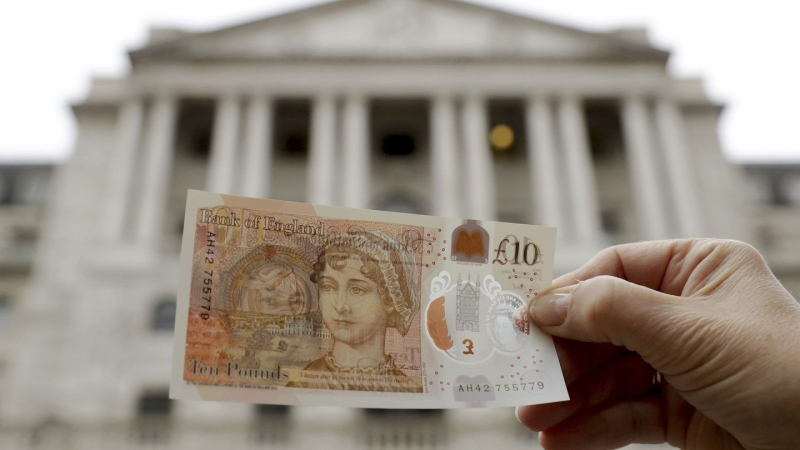
The British pound moved lower on Monday as investors reacted to mounting political uncertainty in the United Kingdom and growing expectations that interest rates could be cut further this year. Sterling slipped against both the euro and the US dollar, with traders increasingly cautious about the outlook for UK assets as political risks and monetary policy concerns converged.
Political developments dominated sentiment after fresh pressure emerged on Prime Minister Keir Starmer. His chief of staff, Morgan McSweeney, resigned over the weekend, taking responsibility for advising Starmer on the controversial appointment of Peter Mandelson as ambassador to the United States. The episode has intensified scrutiny of the government’s decision making and raised questions about stability at the top of British politics.
Markets are closely watching the fallout, with the situation unlikely to fade quickly. The government is expected to release internal communications related to the appointment, while upcoming local elections and a parliamentary by election later this month risk adding further pressure to Starmer’s leadership. Currency traders typically dislike political uncertainty, and that discomfort was reflected in sterling’s performance.
Against the euro, the pound fell to around a two week low, with the single currency gaining close to half a percent on the day. While the euro remains broadly flat against sterling so far this year, the latest move highlighted a shift in short term sentiment. Sterling also edged lower versus the US dollar, retreating from earlier session lows but still under pressure as investors reassessed relative interest rate prospects.
UK government bonds underperformed their European counterparts, though moves in the bond market were relatively contained. Some investors remain wary that a Labour led government could eventually pursue more expansionary fiscal policies, potentially increasing borrowing and spending. This backdrop has kept both gilts and the pound sensitive to political headlines.
Monetary policy has added another layer of strain on sterling. Last week’s decision by the Bank of England to hold interest rates was closer than many investors expected, prompting traders to increase bets on rate cuts later in the year. In contrast, the European Central Bank is widely seen as keeping policy steady for longer, reducing the relative appeal of UK assets.
Market analysts said the combination of political uncertainty and a more dovish tone from the Bank of England has left the pound vulnerable. Options markets reflected this shift, with three month euro sterling risk reversals rising to their highest level since late November. This indicates growing demand for protection against further sterling weakness relative to the euro.
The euro also strengthened against the dollar, benefiting from broader softness in the US currency. Some traders pointed to reports suggesting China may be advising banks to limit their exposure to US Treasuries, adding to pressure on the dollar and indirectly shaping moves in major currency pairs.
For now, investors expect sterling to remain sensitive to political headlines and economic signals. With leadership questions unresolved and rate cut expectations diverging from those in Europe, the pound faces an uphill battle to regain lost ground in the near term.