Current Fuel Supply Situation
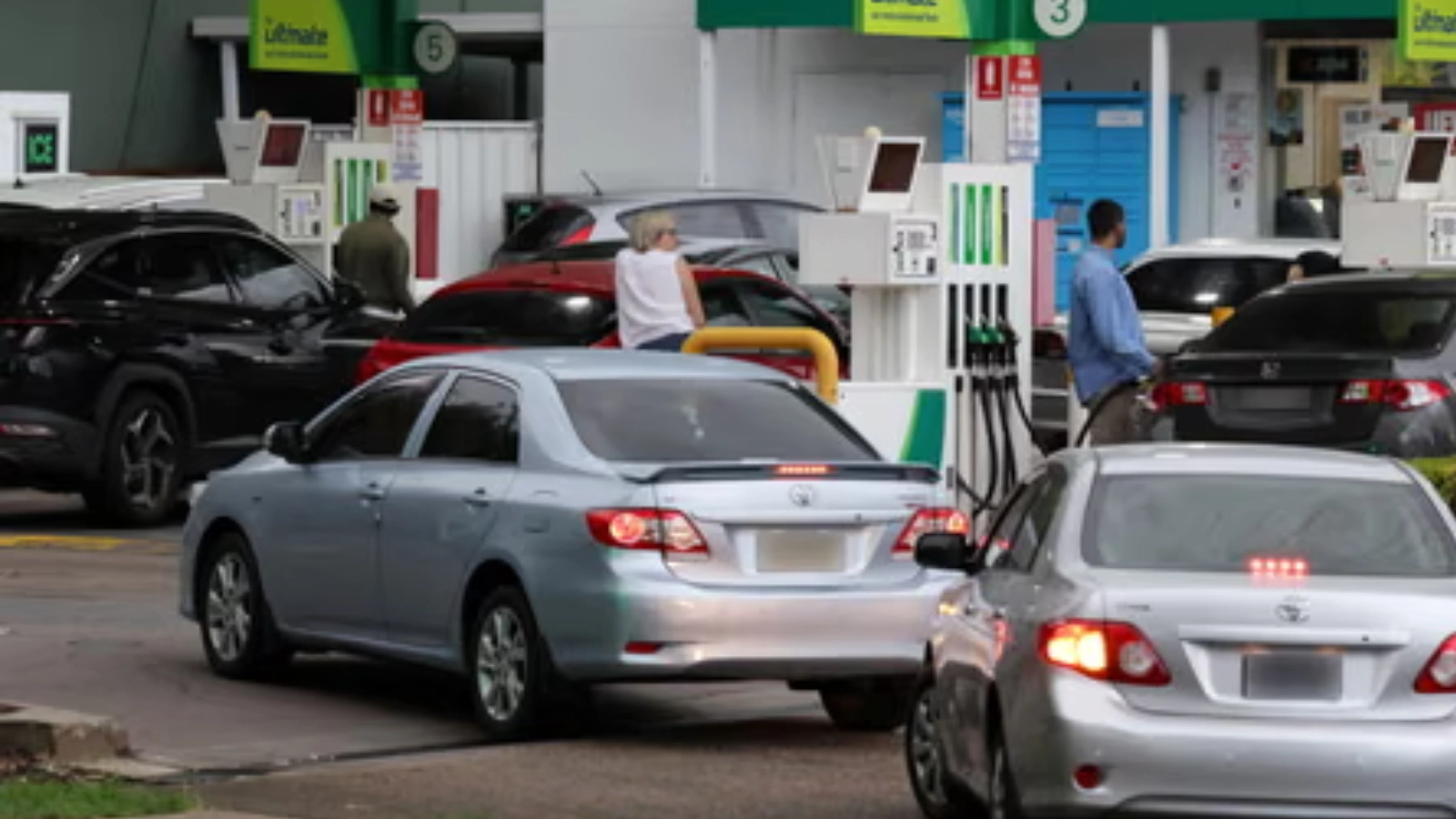
Fuel supply security moved to the centre of Australia’s news cycle after fresh bouts of panic buying pushed queues and short-term outages into public view. Anthony Albanese responded with a firm reassurance that national supply remains available and that distribution is the real pinch point when demand spikes suddenly. The Australian fuel market is built on continuous import flows, coastal shipping, terminals and retail networks that work smoothly when consumption is predictable. When motorists and businesses bring forward purchases, local inventories can be drained faster than trucks can replenish stations, creating the impression of scarcity even when national stocks are adequate. Recent global price swings have amplified anxiety, but the immediate story is logistics under stress, not a nationwide depletion of fuel.
Impact of Panic Buying
Panic buying is a multiplier because it compresses weeks of normal purchasing into days, leaving retailers to ration by circumstance rather than policy. Service stations operate with limited on-site storage, so one neighbourhood can run dry while another remains supplied, and social media turns those isolated gaps into a perceived system failure. The behaviour also forces wholesalers to prioritise emergency deliveries, which increases freight costs and can delay regular commercial customers such as couriers, construction fleets and regional operators. That spillover raises broader economic pressure at the worst moment, particularly if households are already wary of an energy crisis narrative. For context on how fast market sentiment can shift when energy headlines turn, the volatility mapped in oil price shock reporting shows why consumers react sharply even before fundamentals change.
Government Measures and Plans
Canberra’s message has been consistency and coordination: keep supply chains moving, discourage hoarding, and communicate clearly so motorists do not create the very shortages they fear. Anthony Albanese’s reassurance aligns with longstanding policy settings that rely on commercial stocks, import diversity and emergency planning, with officials able to work alongside industry on allocation and rapid restocking where retail disruptions appear. Longer-term measures, including obligations and contingency arrangements, are typically assessed against international benchmarks rather than political noise. Australia’s energy agencies publish guidance on emergency preparedness and liquid fuel arrangements, and the most relevant official material sits with energy.gov.au resources on liquid fuel security, which emphasise resilience, transparency and maintaining critical services. The government also benefits from monitoring global strategic stock frameworks and domestic refining capacity decisions without treating short queues as proof of systemic collapse.
Comparative Global Fuel Strategies
Internationally, governments treat fuel resilience as a mix of stockholding rules, demand management, and market transparency, and Australia’s debate sits within that playbook even if the local politics differ. The International Energy Agency standardises how member states think about emergency response, including coordinated releases and data-driven assessments of supply risks. Those principles matter because modern disruptions are rarely single-cause; they blend shipping constraints, refinery outages, insurance costs and geopolitical stress that can change freight economics overnight. The IEA’s public work on emergency readiness and oil market monitoring provides the reference point for what “secure” means in practice, not just in slogans, and IEA analysis and reporting is where the global benchmarks live. A comparable look at how consumer bills become politicised during strain appears in coverage of the UK energy market, illustrating how policy communication can calm or inflame sentiment.
Future Outlook on Energy Security
The next phase of Australia’s fuel supply security conversation will be measured less by a single rush at the bowser and more by whether planning keeps pace with a changing energy system. The Australian fuel market is navigating two simultaneous transitions: managing near-term liquid fuel dependence while investing in electrification, efficiency and alternative fuels that gradually reduce exposure to import shocks. That does not remove the need for robust liquid fuel logistics; it increases the need to protect critical transport, agriculture and emergency services during any disruption. The public lesson from the latest panic buying episode is behavioural: confidence and clear information are operational tools, not public relations. The broader economic context also matters, because a genuine energy crisis abroad can tighten global supply lines and lift landed costs, a linkage reinforced in analysis of prolonged conflict and economic impact that shows how fast local stability can be tested by overseas shocks.