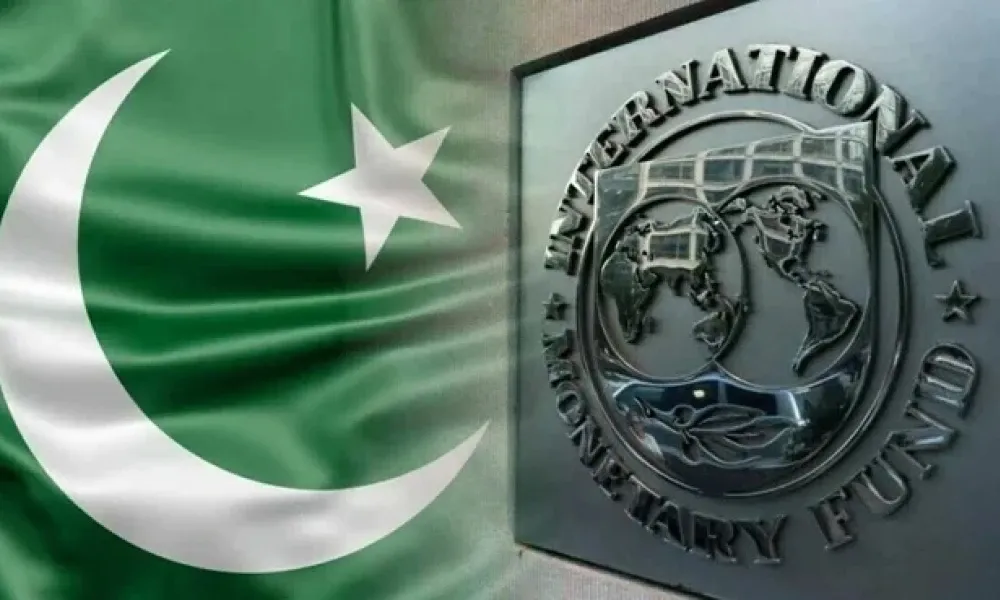
Pakistan and Egypt are both intensifying efforts to secure dollar liquidity and stabilize their financial systems as the global dollar shortage deepens. Facing mounting external debt, inflationary pressure, and shrinking foreign reserves, both nations are turning to the International Monetary Fund (IMF) for additional support to prevent fiscal slippage and restore market confidence. The programs are part of the IMF’s broader push to help developing economies maintain stability in a strong-dollar environment that has tightened global credit conditions.
For Pakistan, the challenge is to rebuild confidence after years of fiscal deficits and balance-of-payments stress. The government has sought renewed IMF assistance to strengthen its foreign reserves, attract foreign investment, and improve governance in key economic sectors. In Egypt, the focus lies on mitigating foreign-exchange shortages, reducing reliance on short-term borrowing, and maintaining social stability amid high inflation. Both nations are navigating the difficult balance between reform and relief in an environment where access to dollars has become increasingly competitive.
Pakistan’s Balance-of-Payments Pressure and IMF Response
Pakistan’s external position has remained fragile as it grapples with persistent trade imbalances, debt repayments, and currency volatility. The country’s reserves had fallen to critically low levels, forcing the government to tighten imports and implement energy-saving measures to conserve dollars. The IMF’s financial support aims to stabilize the rupee, rebuild reserves, and create room for sustainable debt servicing.
The agreement includes structural reforms designed to improve revenue generation, enhance fiscal transparency, and strengthen the energy sector. These measures are intended to reduce dependency on short-term foreign aid while improving the long-term capacity to generate dollar inflows through exports and remittances. The government’s focus is on implementing tax reforms, expanding the formal economy, and reducing energy subsidies that have strained the fiscal budget.
Pakistan’s leadership has emphasized that dollar availability is not only an economic issue but also a matter of national security. Without sufficient reserves, the country risks higher inflation and a loss of investor confidence. The IMF’s disbursements have already provided temporary relief, but maintaining that stability will depend on the consistent execution of agreed reforms.
Egypt’s Dollar Strain and Reform Path
Egypt’s economy has faced a prolonged foreign-exchange shortage, worsened by global energy price fluctuations and declining Suez Canal revenues. The country relies heavily on imported food and fuel, making it especially vulnerable to a strong dollar and rising commodity prices. The Egyptian pound has been under consistent pressure, prompting authorities to adopt a more flexible exchange-rate policy and phase out costly import restrictions.
The IMF’s emergency assistance has focused on strengthening Egypt’s external buffers while supporting vulnerable households. The government has expanded social-protection programs to cushion the population from inflation and subsidy reforms. Structural changes also include privatization initiatives aimed at attracting foreign direct investment and boosting private-sector participation in key industries.
Despite these efforts, Egypt continues to face challenges in balancing its reform agenda with the need to protect citizens from further economic hardship. High food prices, rising energy costs, and limited job opportunities remain major concerns. The government’s success will depend on its ability to restore investor trust and sustain foreign-exchange inflows through tourism, remittances, and export diversification.
Regional and Global Implications
The struggles of Pakistan and Egypt highlight a broader issue facing emerging economies in a dollar-dominated world: the lack of affordable access to hard currency. As the U.S. maintains higher interest rates, capital continues to flow toward safer dollar assets, leaving developing countries with limited borrowing options. This dynamic increases the cost of debt servicing and heightens the risk of default for nations already burdened by weak fiscal positions.
Both countries’ IMF programs are being closely watched by international investors as potential blueprints for other developing economies under stress. Successful implementation of reforms could restore confidence in frontier markets, attracting renewed capital inflows. However, if reforms stall or social pressures intensify, both economies risk renewed instability.
The global ripple effects are significant. A stronger dollar makes imports more expensive worldwide and can amplify inflationary pressures in regions dependent on external funding. Meanwhile, emerging-market currencies continue to weaken, driving demand for IMF intervention and coordinated policy support.
Conclusion
Pakistan and Egypt’s pursuit of dollar relief underscores the challenges developing nations face in managing debt and sustaining growth amid global monetary tightening. Both countries are working to stabilize their currencies, rebuild reserves, and restore fiscal discipline while navigating domestic pressures for social protection and economic growth. The road ahead will depend on their ability to deliver reforms that attract investment and maintain IMF confidence. In a world still anchored by dollar strength, these two nations remain at the forefront of emerging-market resilience and vulnerability.