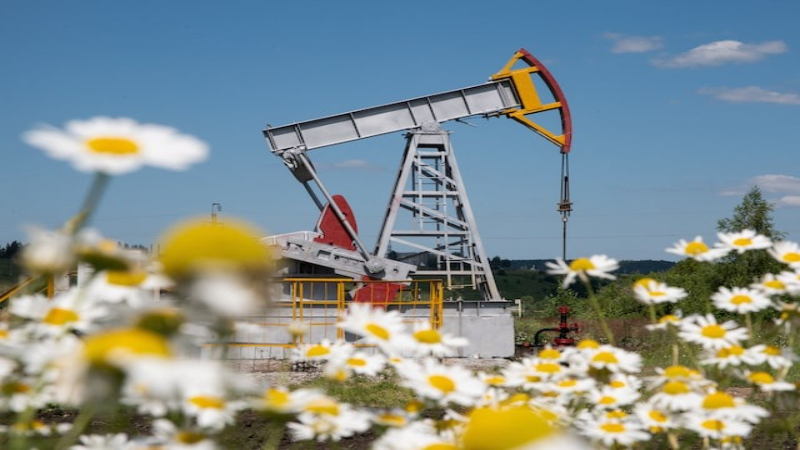
Oil prices climbed and settled at their highest levels in nearly two months as markets weighed growing risks to global supply stemming from political unrest in key producing regions. Crude benchmarks advanced as investors focused on the possibility that Iran’s oil exports could be disrupted amid a harsh crackdown on widespread anti government protests. Iran remains a major supplier within global energy markets despite sanctions, and fears that escalating tensions could limit shipments added a risk premium to prices. The move marked a continuation of recent gains as traders reassessed geopolitical exposure following weeks of relatively subdued volatility. While broader supply fundamentals remain balanced for now, the market reaction underscored how sensitive oil prices remain to developments that threaten production or exports in politically fragile regions.
Uncertainty surrounding Iran intensified as signals from Washington suggested a range of possible responses to the unrest. Market participants paid close attention to rhetoric around sanctions enforcement and the potential for military escalation, both of which could quickly tighten supply. Iran is estimated to have significant volumes of crude stored offshore, a buffer that could soften short term disruptions. However, reduced buying from key customers and heightened shipping risks have increased uncertainty over how long those inventories could support exports if tensions worsen. These dynamics have encouraged traders to price in higher risk, particularly as Iran’s role in global supply has grown despite ongoing sanctions.
At the same time, expectations of increased output from other producers limited the pace of price gains. Venezuela is preparing to resume oil exports following political changes, with efforts underway to restart shipments that had been restricted by sanctions. Additional supply could ease some of the pressure created by Middle East tensions, particularly if volumes return to market quickly. Investors are also monitoring developments in Russia and other producing regions, where infrastructure risks and geopolitical strain remain elevated. The balance between potential new supply and heightened disruption risk has created a volatile backdrop, keeping oil prices responsive to headlines rather than purely to inventory data or demand forecasts.
Looking ahead, analysts remain divided on the medium term outlook for oil prices. Some expect additional supply coming online later this year to weigh on prices, especially if global economic growth moderates. Others argue that geopolitical risks are likely to persist, keeping volatility elevated and limiting downside. Interest rate expectations add another layer of complexity, as lower borrowing costs could support demand while complicating inflation control efforts. For now, oil markets appear caught between opposing forces, with short term pricing driven by geopolitical uncertainty rather than clear shifts in supply and demand fundamentals.