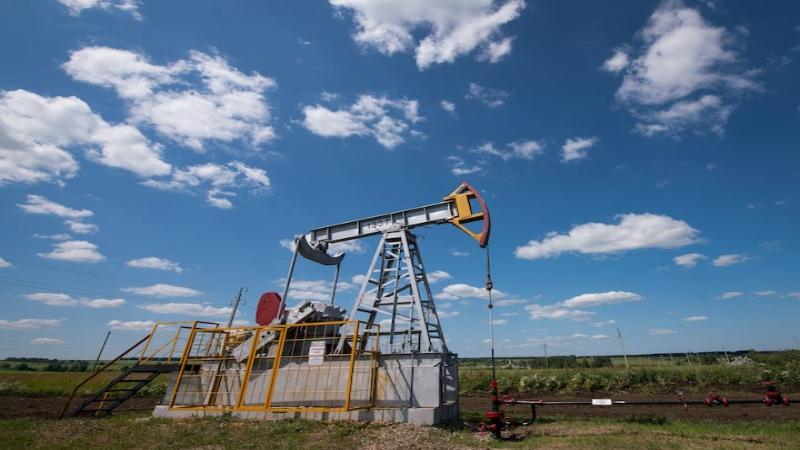
Oil prices edged higher as markets balanced renewed trade tensions with emerging supply disruptions and signs of resilient demand from major consuming economies. Crude futures gained ground as investors reacted to fresh tariff threats tied to the Greenland dispute, which added another layer of geopolitical uncertainty to an already cautious global outlook. While the potential for higher tariffs has raised concerns about economic growth and trade flows, energy markets have so far focused on near-term fundamentals. The prospect of policy-driven volatility has increased sensitivity across commodities, but oil prices have remained supported by tightening supply conditions and expectations that global demand will remain steady despite political noise. The move higher reflects a market attempting to price risk without fully discounting a slowdown scenario.
Supply-side developments provided a more concrete catalyst for the advance. A temporary halt in production at key oil fields in Kazakhstan tightened near-term availability, with potential implications for exports through critical pipeline routes. Any prolonged disruption would remove meaningful volumes from the market, reinforcing the fragile balance between supply and demand. Traders also drew support from improving macro signals, including stronger-than-expected economic data from China, the world’s largest crude importer. Resilient growth indicators have helped stabilize demand expectations at a time when consumption forecasts remain vulnerable to policy shifts and geopolitical developments. Together, supply interruptions and steady demand signals have offset some of the downside risks associated with trade uncertainty.
Currency dynamics added another supportive factor as the U.S. dollar softened, making dollar-denominated commodities more attractive to international buyers. A weaker dollar has historically provided a tailwind for oil prices, particularly during periods of elevated uncertainty in financial markets. While concerns over tariffs and geopolitical disputes continue to cap upside enthusiasm, the current pricing environment suggests that oil markets are prioritizing tangible supply and demand signals over political rhetoric. As investors monitor developments across trade policy, global growth, and energy infrastructure, crude prices remain sensitive to headlines but anchored by fundamentals that point to a market still operating with limited slack. The coming weeks are likely to test whether supply risks or macro concerns take precedence in shaping price direction.