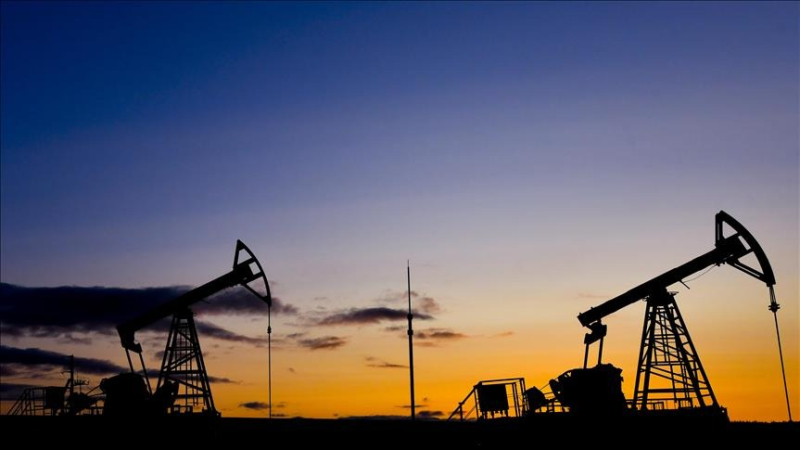
Oil prices moved higher toward the end of the week as traders reassessed supply risks and adjusted positions ahead of a long holiday weekend, supporting gains despite a cooling of immediate geopolitical tensions. Crude benchmarks climbed after a volatile week that saw prices touch multi-month highs, driven largely by concerns over potential disruptions in key producing regions. While fears of direct military action involving Iran have eased, investors remain cautious about the fragility of supply routes and the potential for sudden shocks. Short covering also contributed to upward momentum, as market participants reduced bearish exposure following sharp swings earlier in the week.
Attention remains focused on the Middle East, particularly the strategic Strait of Hormuz, through which a significant share of global seaborne oil flows. Even with reduced rhetoric around escalation, the risk of disruption continues to underpin prices, limiting downside pressure. Analysts note that geopolitical premiums tend to linger even after tensions subside, as markets factor in the possibility of renewed instability. This dynamic has helped keep crude prices supported, even as broader risk sentiment shows signs of stabilization and investors weigh competing signals from global supply developments.
Offsetting these risks are expectations of additional barrels entering the market, particularly from countries where output constraints may ease. Increased availability from Venezuela has been cited as a key factor capping further upside, reinforcing the view that global supply conditions remain relatively comfortable. Market participants are increasingly balancing headline-driven risk against underlying fundamentals, which suggest that inventories and production capacity are sufficient to absorb near term shocks. As a result, price rallies have struggled to extend beyond established ranges despite recurring geopolitical concerns.
Looking ahead, analysts expect oil prices to remain range-bound unless there is a meaningful shift in demand or a clear disruption to physical supply flows. Slower growth expectations in major consuming economies and uncertain demand recovery in Asia continue to weigh on the outlook. Without a strong pickup in consumption or a sustained bottleneck in exports, the current environment favors volatility within defined limits rather than a decisive breakout. For now, oil markets appear caught between persistent geopolitical risk and an underlying supply balance that points to ample availability.