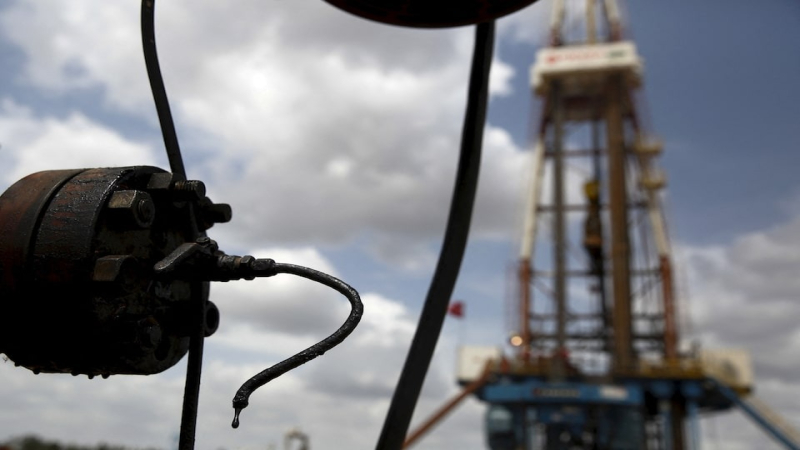
Oil prices steadied as investors balanced expectations of rising global supply against fresh uncertainty surrounding Venezuelan production and geopolitics. Crude futures moved higher as markets digested the implications of political developments in Venezuela, even as forecasts point to ample supply conditions through 2026. Traders appear cautious rather than directional, reflecting a market that sees limited upside in the near term but remains alert to potential disruptions. The outlook has been shaped by a combination of soft demand growth and new barrels expected from several producers, reinforcing the view that supply will be sufficient even if geopolitical risks persist. This balance has kept prices contained, with movements driven more by policy signals and political headlines than by immediate physical tightness in the market.
Uncertainty surrounding Venezuela has emerged as a focal point after the U.S. capture of Nicolas Maduro, raising questions about future sanctions policy and production capacity. Venezuela holds the world’s largest proven oil reserves and remains a founding member of OPEC, yet years of underinvestment and restrictions have sharply reduced output. Analysts suggest that any meaningful increase in supply would require both political stability and sustained foreign capital. While limited gains could be achieved through incremental spending by PDVSA, larger expansion scenarios remain long dated. For now, markets are treating potential Venezuelan output increases as a medium term factor rather than an immediate catalyst.
Broader supply dynamics continue to dominate price expectations. Analysts widely forecast rising production across non OPEC producers alongside disciplined output management from major exporters. This has reinforced expectations that oil markets will remain well supplied even if demand growth stays modest. Concerns about weak consumption in parts of Asia and Europe have also weighed on sentiment, limiting the impact of geopolitical risk premiums. At the same time, the possibility of easing restrictions on Venezuelan crude has added another layer of uncertainty to an already complex supply picture. Investors appear to be pricing oil within a relatively narrow range, reflecting confidence that any supply shocks can be absorbed without triggering sustained shortages.
Elsewhere, shifts in global trade flows are adding nuance to the outlook. India’s refining sector faces adjustments after Reliance Industries indicated it would not receive Russian crude shipments this month, a move that could temporarily reduce imports. Combined with ongoing discussions between U.S. officials and energy executives about potential Venezuelan production, these developments highlight how political decisions continue to influence oil flows. Despite these factors, the prevailing view remains that supply growth will outpace demand in 2026. As a result, oil prices are being shaped less by scarcity fears and more by how quickly additional barrels can reach the market under changing political and regulatory conditions.