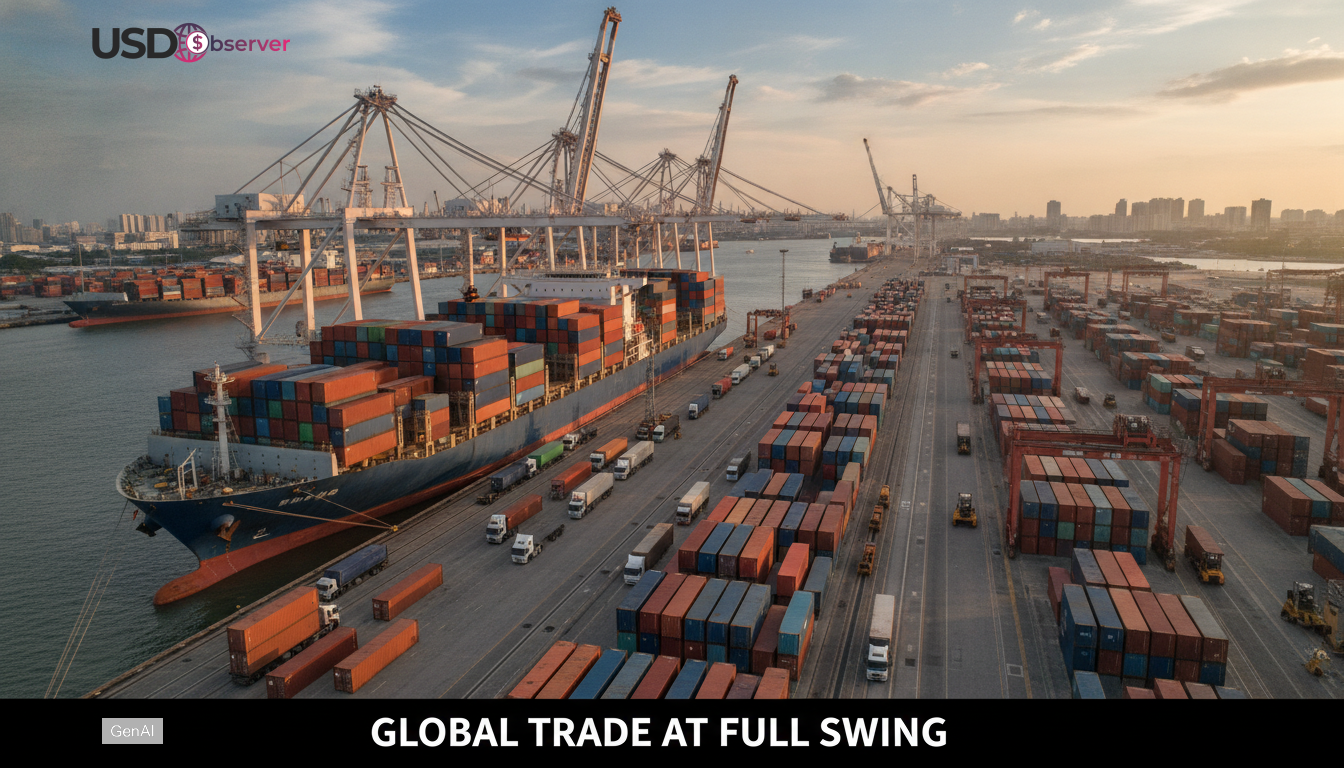
Oil importing countries are entering 2025 with a renewed focus on currency risk management as the US dollar shows signs of persistent weakness. A softer dollar can offer short term price relief for nations that rely heavily on imported crude, but it also introduces new uncertainties for budget planning, corporate procurement and broader economic stability. Many governments and energy firms are responding by expanding their hedging programs and reassessing foreign exchange exposures to protect against volatility.
The trend marks a shift from recent years, when a strong dollar and high energy prices placed considerable pressure on developing and advanced economies alike. With global monetary conditions evolving and expectations of lower US interest rates shaping currency movements, oil importers are preparing for a new phase in the energy and currency landscape. This environment has encouraged greater use of financial instruments that help stabilize costs and reduce exposure to external shocks.
Why a Weakening Dollar is Reshaping Energy Price Strategies
The most important factor influencing current strategy adjustments is the impact of dollar movements on global oil pricing. Crude is priced primarily in dollars, which means even small changes in the currency’s value can influence import costs. When the dollar weakens, oil becomes relatively cheaper for buyers using other currencies. This creates opportunities for cost savings but also increases the risk of sudden reversals if the dollar strengthens again.
As expectations for easier US monetary policy grow, market participants are seeking greater clarity on how currency fluctuations may impact their long term expenses. Hedging provides a tool for mitigating these uncertainties. By locking in exchange rates or using structured contracts, oil importers can secure more predictable financial conditions. This is especially valuable for countries with large energy needs or for firms that operate within narrow budget constraints.
Emerging FX Risk Trends Among Major Importers
Several new trends have begun to emerge as companies and governments adjust their foreign exchange strategies. One notable development is the increased use of forward contracts that allow buyers to secure exchange rates months ahead of delivery. These instruments are becoming more common among Asian importers that rely on stable pricing to support domestic energy markets.
Another trend is the growing reliance on diversified currency portfolios. Some central banks and large energy firms have expanded their reserve holdings or operational accounts to include a broader mix of currencies. This diversification helps reduce dependence on the dollar and provides additional buffers against short term volatility. As global trade partners adjust to shifting exchange patterns, these strategies can help stabilize supply chains and procurement cycles.
The Role of Global Economic Conditions in 2025 Planning
Weakness in the dollar is often linked to broader economic conditions in the United States and shifts in global monetary policy. If inflation continues to cool and US growth slows, expectations for rate cuts will likely remain elevated. Lower yields reduce the attractiveness of dollar denominated assets, which can further weaken the currency. Oil importers are monitoring these trends closely because their fiscal planning depends on accurate projections of both energy and currency markets.
At the same time, global energy demand is expected to remain steady, supported by recovering consumption in emerging markets. Oil prices themselves may experience fluctuations due to supply decisions, geopolitical factors and shifting production levels. A weaker dollar can amplify or soften these effects. For policymakers and private sector buyers, the combination of oil price variability and currency movements requires a coordinated risk management approach.
How Hedging Shapes Economic Stability for Importing Nations
A stronger focus on hedging strategies can improve financial certainty for economies that rely on imported energy. Securing predictable exchange rates helps governments plan budgets and stabilize fuel subsidies. It also benefits industries such as transportation, utilities and manufacturing, which depend on affordable and steady energy supplies. For countries with limited fiscal capacity, even moderate swings in the dollar can create significant economic pressures.
By enhancing risk management capabilities, oil importers can reduce exposure to sudden market shocks. This helps maintain stable domestic prices and supports broader economic planning. In addition, stronger hedging practices can improve investor confidence by signaling a proactive approach to external vulnerabilities. The widespread adoption of these strategies reflects a growing recognition that currency movements are increasingly important in the global energy system.
Conclusion
Oil importers are entering 2025 with heightened attention to foreign exchange risks as the dollar shows signs of continued softness. The shift in hedging strategies reflects both the opportunities and challenges created by a weaker US currency. By adopting more sophisticated risk management tools and preparing for shifting global monetary conditions, oil importing nations aim to protect their economies from volatility and ensure greater stability in energy pricing. The year ahead will test how effectively these strategies support long term planning in a changing currency environment.