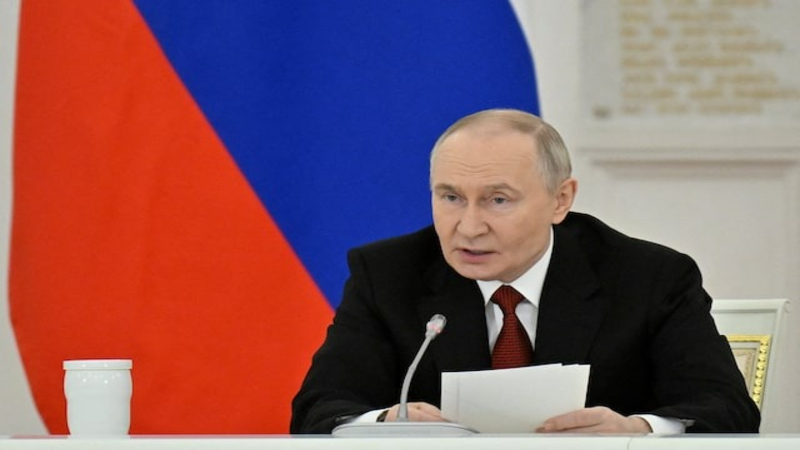
Russia has sent a measured diplomatic signal toward Washington as discussions around potential pathways to end the war in Ukraine quietly resume. Kremlin officials confirmed that senior Russian representatives have been in contact with members of the U.S. administration following the delivery of American proposals outlining possible peace terms. The exchanges suggest a tentative willingness on both sides to keep channels open, even as public positions remain guarded. Russian officials have emphasized that the content of the proposals is being reviewed internally and that public commentary would be premature. The restrained messaging reflects the sensitivity of the moment, with both sides seeking to test intent without committing to formal negotiations. For markets and policymakers alike, the development introduces a new variable into an already complex geopolitical landscape shaped by sanctions, military dynamics, and shifting global alliances.
According to officials, paper copies of U.S. proposals were brought back to Moscow after meetings held outside the formal diplomatic spotlight, underscoring the unofficial and exploratory nature of the contacts. The Kremlin has acknowledged that dialogue has taken place and that further communication has been agreed upon, while declining to characterize Russia’s response. This careful approach points to an effort to avoid signaling weakness or overcommitment as internal assessments continue. Reports circulating in Russian media have hinted at potential flexibility around territorial arrangements, though officials have neither confirmed nor denied such claims. The absence of detail has left room for speculation, but it also reflects a deliberate strategy to manage expectations while gauging the seriousness of the U.S. approach.
Any movement toward talks carries significant implications beyond the battlefield. A credible negotiation track could reshape assumptions around sanctions durability, energy flows, and regional security in Europe. Investors and governments are watching closely for signs that dialogue might translate into reduced geopolitical risk, even if progress remains uncertain. At the same time, the Kremlin’s insistence on discretion suggests that any concessions or red lines will be communicated privately rather than through public signaling. This dynamic reinforces the sense that the current phase is less about immediate breakthroughs and more about testing whether a framework for sustained engagement is possible after years of confrontation.
The renewed contact comes at a time when global markets are highly sensitive to geopolitical shifts, particularly those affecting commodities, currencies, and capital flows. Even limited progress toward talks could influence expectations around future policy decisions in both Russia and the West. For now, the situation remains fluid, with dialogue acknowledged but outcomes far from clear. As the year draws to a close, the emergence of a diplomatic channel adds a layer of uncertainty to global risk assessments, reminding markets that political developments can quickly alter the macro backdrop. Whether these early signals evolve into substantive negotiations will shape not only the conflict’s trajectory but also broader economic and financial conditions in the months ahead.