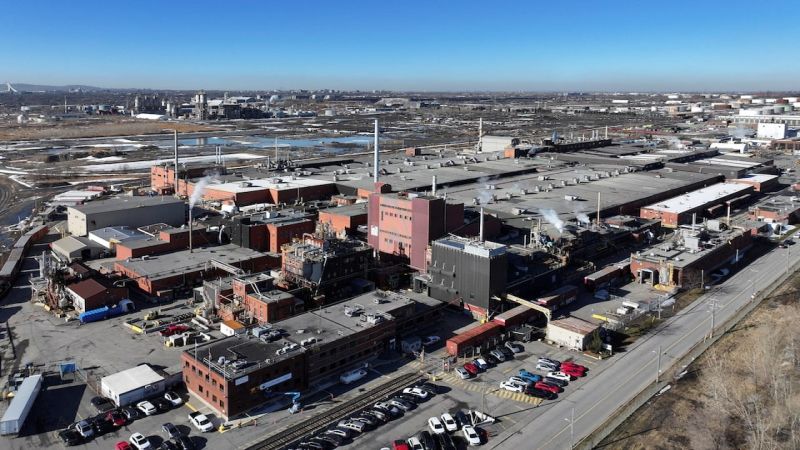
Shares of major mining companies moved sharply after renewed discussions signaled a potential consolidation that could reshape the global resources landscape. Investor reaction reflected contrasting views on valuation, execution risk, and long term strategic fit, with one side rallying on takeover speculation while the other softened amid concerns about deal pricing. The prospect of creating the world’s largest mining group has refocused market attention on scale advantages at a time when access to critical minerals is becoming increasingly central to industrial policy and capital allocation. Equity markets interpreted the talks less as a near term transaction and more as a signal of intensifying competition for reserves, particularly in metals tied to electrification and advanced technologies.
The renewed interest in consolidation comes as copper prices trade near record levels, reinforcing the metal’s role as a strategic input rather than a cyclical commodity. Demand expectations linked to energy transition projects, grid expansion, and artificial intelligence infrastructure have tightened the supply outlook, pushing producers to secure long life assets. For large diversified miners, organic expansion has become slower and more capital intensive, making acquisitions a faster route to reserve replacement. Markets increasingly reward access to existing production over long dated development pipelines, especially as permitting, financing, and geopolitical risks complicate new mine builds across multiple jurisdictions.
Beyond physical assets, the potential transaction highlights the growing importance of trading and commercial operations within the mining sector. Integrated trading arms allow producers to monetize volatility, optimize logistics, and maintain closer links to end users across regions. In an environment marked by fragmented supply chains and policy driven trade shifts, these capabilities can materially enhance earnings stability and capital efficiency. Investors are weighing whether combining operational scale with sophisticated trading networks could unlock synergies that justify consolidation premiums. At the same time, concerns remain around regulatory scrutiny, particularly in jurisdictions sensitive to concentration in strategic raw materials.
From a broader market perspective, the talks underscore how commodity supply is increasingly shaped by strategic considerations rather than purely market driven cycles. Large scale mergers signal confidence that demand for key minerals will remain structurally strong even if short term growth fluctuates. For currency and macro focused observers, this trend reinforces the link between resource control, industrial competitiveness, and long term capital flows. As metals like copper become embedded in national transition strategies, ownership and scale take on added significance. The market response suggests investors see consolidation not as an anomaly, but as a logical response to a world where resource security and pricing power are rising priorities.