Escalating conflict in the Middle East is reinforcing the central role of the U.S. dollar in global finance while also highlighting the risks that could emerge if global demand for dollar liquidity suddenly intensifies during periods of geopolitical stress.
As tensions in the region have intensified following military strikes and retaliatory actions, investors across global markets have rapidly increased their demand for dollars. The surge reflects the traditional role of the U.S. currency as the most liquid and widely used asset in the international financial system during times of crisis.
Financial markets have experienced sharp volatility since the conflict expanded. Several equity markets that had posted strong gains earlier in the year have fallen rapidly as investors reduce risk exposure. Capital is moving away from risk assets and into cash and dollar denominated instruments, a pattern commonly seen when geopolitical tensions rise.
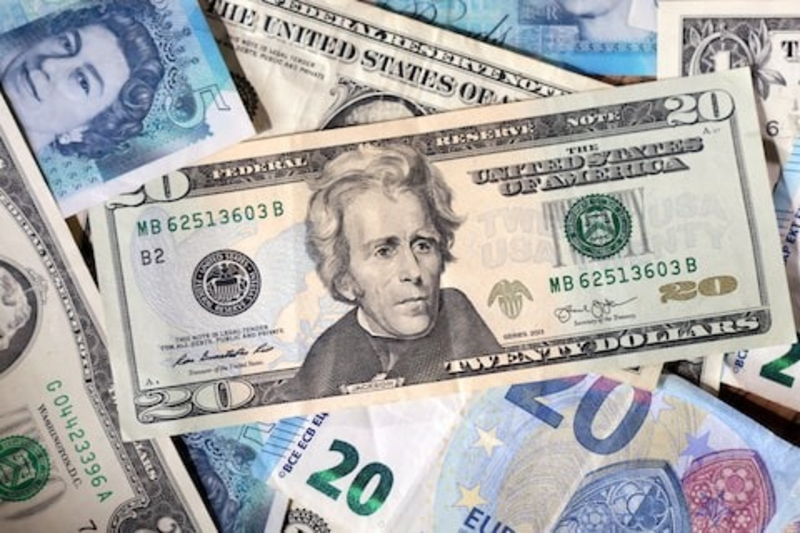
Currency markets have responded quickly. The dollar strengthened noticeably as investors moved to secure liquidity and reduce leverage across portfolios. Analysts say the move is less about economic fundamentals and more about the mechanics of global money flows as investors unwind speculative positions built up during calmer market conditions.
Market participants say that during periods of uncertainty, access to dollar liquidity becomes critical because the global financial system remains heavily dependent on the U.S. currency for trade, lending and financial transactions. Many banks, corporations and governments rely on dollar funding to manage international obligations, making sudden shifts in liquidity conditions a major risk for global markets.
Despite ongoing discussions about a gradual shift toward a more multipolar financial system, the dollar still dominates global financial activity. The currency is involved in the vast majority of foreign exchange transactions and remains the primary denomination for global trade settlements and cross border financing.
International reserve holdings also continue to reflect this dominance. While the share of dollar reserves held by central banks has slowly declined over the past two decades, it still represents the largest portion of global reserve assets by a wide margin. No single alternative currency has yet reached the scale necessary to replace the dollar’s role in global finance.
However, economists warn that geopolitical fragmentation, trade disputes and regional conflicts could gradually reshape the international monetary system. Some countries have begun experimenting with non dollar trade settlements, particularly in energy markets where a small but growing share of transactions is now priced in other currencies.
Even with these developments, analysts say the world remains deeply dependent on the availability of dollar liquidity during financial stress. If geopolitical tensions were to trigger broader financial disruptions, central banks and global institutions might face renewed pressure to stabilize funding markets.
Currency strategists note that the current environment illustrates a delicate transition period for the global monetary system. While diversification away from the dollar has begun slowly, the international financial system still relies heavily on the stability and availability of the U.S. currency during times of crisis.