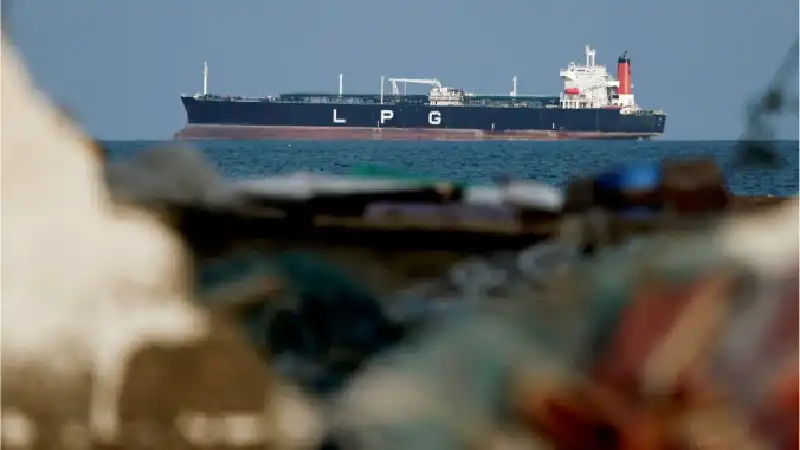
Global energy markets are facing one of the most severe supply disruptions in modern history as oil exports from the Middle East have fallen dramatically following the effective closure of the Strait of Hormuz. Shipping data indicates that crude and refined fuel exports from major Gulf producers dropped by more than sixty percent during the week ending March 15 compared with February levels. The sharp decline reflects the escalating conflict in the region and the resulting security risks that have forced producers to cancel shipments, reduce production and divert vessels away from the strategic shipping route.
The Strait of Hormuz normally carries roughly one fifth of the world’s oil supply, making it one of the most critical energy corridors in the global economy. With shipping traffic through the waterway sharply reduced, oil exporters across the Gulf have struggled to maintain normal flows. Combined exports from major producers including Saudi Arabia, Kuwait, Iraq, Iran, Qatar, Oman, Bahrain and the United Arab Emirates have dropped significantly. Estimates based on tanker tracking data suggest that daily exports from these countries fell to roughly 9.7 million barrels per day from more than 25 million barrels per day in February, highlighting the scale of the disruption.
Alternative routes and limited exports from other ports have prevented a complete halt in shipments, but they are not sufficient to replace the volume normally transported through Hormuz. Saudi Arabia has continued exporting some crude from its Red Sea port of Yanbu while the United Arab Emirates has attempted to maintain shipments from Fujairah. Iran and Oman have also managed to sustain a portion of their export flows. However these routes cannot fully compensate for the lost capacity, leaving global energy markets vulnerable to prolonged supply shortages if the disruption continues.
One visible consequence of the export slowdown has been a rapid increase in floating oil storage across the Gulf region. Tanker tracking data shows that crude volumes stored on ships have surged to more than fifty million barrels, compared with around ten million barrels before the conflict escalated. Analysts say these floating reserves represent cargoes that cannot currently be delivered due to security risks or shipping disruptions. The accumulation of oil at sea reflects the logistical challenges producers face as they attempt to manage production while export routes remain constrained.
The disruption has also forced several major oil producers to reduce output as storage capacity fills and shipments become more difficult to arrange. Production levels across the region have fallen sharply, with the United Arab Emirates reportedly cutting output by more than half compared with pre conflict levels. Saudi Arabia has reduced production by roughly twenty percent while Iraq has cut output significantly as well. Analysts estimate that combined production reductions across Middle Eastern producers now range between seven and ten million barrels per day, a substantial contraction in global oil supply.
Energy markets reacted quickly to the sudden supply shock, with crude prices climbing to their highest levels in several years as traders assessed the risk of a prolonged disruption. Although prices briefly eased during trading sessions, benchmark crude remains near the one hundred dollar per barrel level, reflecting persistent uncertainty about how long the Strait of Hormuz will remain partially closed. Higher oil prices have also pushed up the cost of refined fuels, increasing pressure on transportation, manufacturing and household energy expenses around the world.
The global implications of the disruption extend beyond oil markets because higher energy prices can influence inflation, economic growth and central bank policy decisions. Countries heavily dependent on imported energy may face rising trade deficits and increased pressure on domestic fuel costs. Governments and financial institutions are closely monitoring shipping conditions in the Gulf as well as diplomatic efforts aimed at stabilizing the region. Until normal traffic through the Strait of Hormuz resumes, global energy markets are likely to remain highly sensitive to geopolitical developments.