Escalating tensions in the Middle East have triggered a sharp shift in global financial markets as investors rush toward the US dollar in search of liquidity and stability. The surge in demand for the world’s primary reserve currency highlights a deeper vulnerability in the international financial system. While geopolitical shocks often drive investors toward traditional safe assets, the latest crisis has revived concerns that a sudden scramble for dollar funding could expose fragilities in global liquidity networks. Market volatility across equities, bonds and credit markets has underscored how central the dollar remains to global finance.
Financial markets reacted swiftly as risk sentiment deteriorated following the widening conflict in the Middle East. Major equity markets that had posted strong gains earlier in the year experienced sharp corrections as investors moved to reduce exposure to riskier assets. Some emerging market indices have suffered steep losses in just a few trading sessions. At the same time the US dollar strengthened rapidly while yields on US Treasury securities climbed as investors repositioned portfolios in response to shifting liquidity conditions. Analysts say these moves reflect a sudden unwinding of speculative positions that had accumulated during months of relatively calm markets.
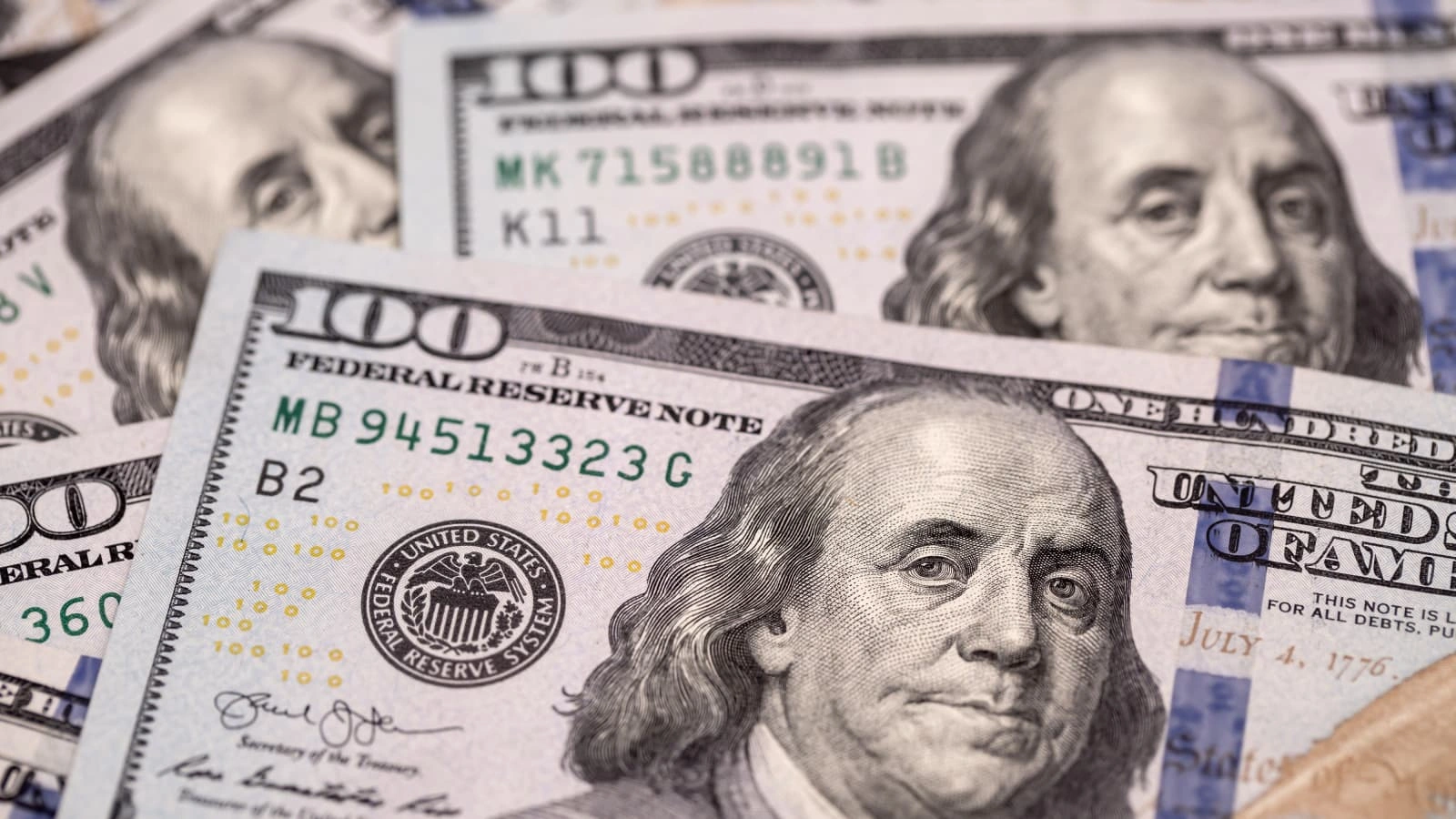
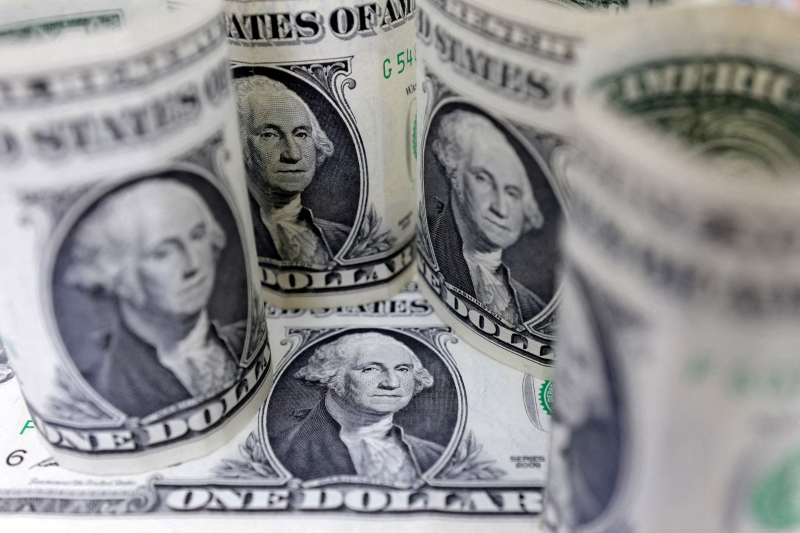
The surge in the dollar during periods of geopolitical stress highlights the unique role the currency continues to play in the global financial system. Even as debates around diversification and de dollarization have gained momentum in recent years, international investors still rely heavily on the dollar during moments of crisis. Global financial institutions often require access to dollar funding for trade settlement, debt servicing and cross border transactions. When uncertainty rises, the demand for dollar liquidity can increase dramatically as institutions seek to secure funding and reduce financial risk.
Recent market dynamics also illustrate how global liquidity conditions can shift quickly when risk sentiment changes. Many of the financial gains seen earlier in the year were fueled by abundant liquidity and strong investor appetite for risk assets. As geopolitical tensions intensified, that environment reversed almost instantly. Investors began pulling capital from equities, private credit and other speculative investments while increasing holdings of cash and highly liquid instruments. The rapid movement of capital across markets has reinforced concerns that sudden liquidity shocks could amplify volatility across the global financial system.
The evolving structure of the global monetary system adds another layer of complexity to the situation. Over the past two decades the share of the US dollar in global foreign exchange reserves has gradually declined as countries diversify holdings into other currencies. The dollar still accounts for more than half of official reserves worldwide, though this is lower than levels seen in the early 2000s. Despite this gradual shift, no single currency has emerged as a clear alternative capable of replacing the dollar’s dominant role in international finance.
Global trade and financial transactions remain heavily dependent on the dollar. The currency is involved in the vast majority of foreign exchange trading worldwide and continues to dominate international payment networks. A significant portion of cross border bank lending and global corporate debt is denominated in dollars, meaning that financial institutions and governments must maintain access to dollar funding regardless of their domestic currencies. This deep integration ensures that the dollar remains essential for the smooth functioning of international financial markets.
Energy markets also reinforce the dollar’s importance in the global economy. Although a growing share of oil trade is now conducted in other currencies such as the euro or Chinese yuan, the majority of global crude transactions are still priced and settled in dollars. This structure links commodity markets directly to dollar liquidity conditions. When energy prices surge during geopolitical crises, the demand for dollar funding can increase even further as importers secure the currency needed to pay for shipments and manage hedging positions.
The current geopolitical environment highlights a delicate moment in the evolution of the international monetary system. Discussions about a more multipolar currency landscape have intensified as economic power becomes more distributed across regions. However the global financial architecture still relies heavily on dollar liquidity during times of stress. As geopolitical tensions, trade disputes and financial market volatility continue to shape the economic landscape, investors and policymakers are closely monitoring how shifts in global liquidity could influence the stability of markets and the future balance of the international currency system.